What changed in AI SEO
AI SEO is no longer just about ranking blue links against a static query set. Google is now folding AI deeper into the search experience: AI Mode is getting Gemini 3.5 Flash as the default model, the Search box has been redesigned for longer prompts and multimodal inputs, and users can now move from an AI Overview into a conversational session with context preserved source.
That matters because the search interface itself is changing the shape of demand. Google says AI Mode has passed one billion monthly users, with queries more than doubling every quarter since launch, according to the report from Search Engine Journal citing Google’s I/O announcements source. Even if you treat those figures as Google-reported product metrics rather than independent market research, the direction is clear: search is becoming more conversational, more assisted, and less dependent on exact-match keyword inputs.
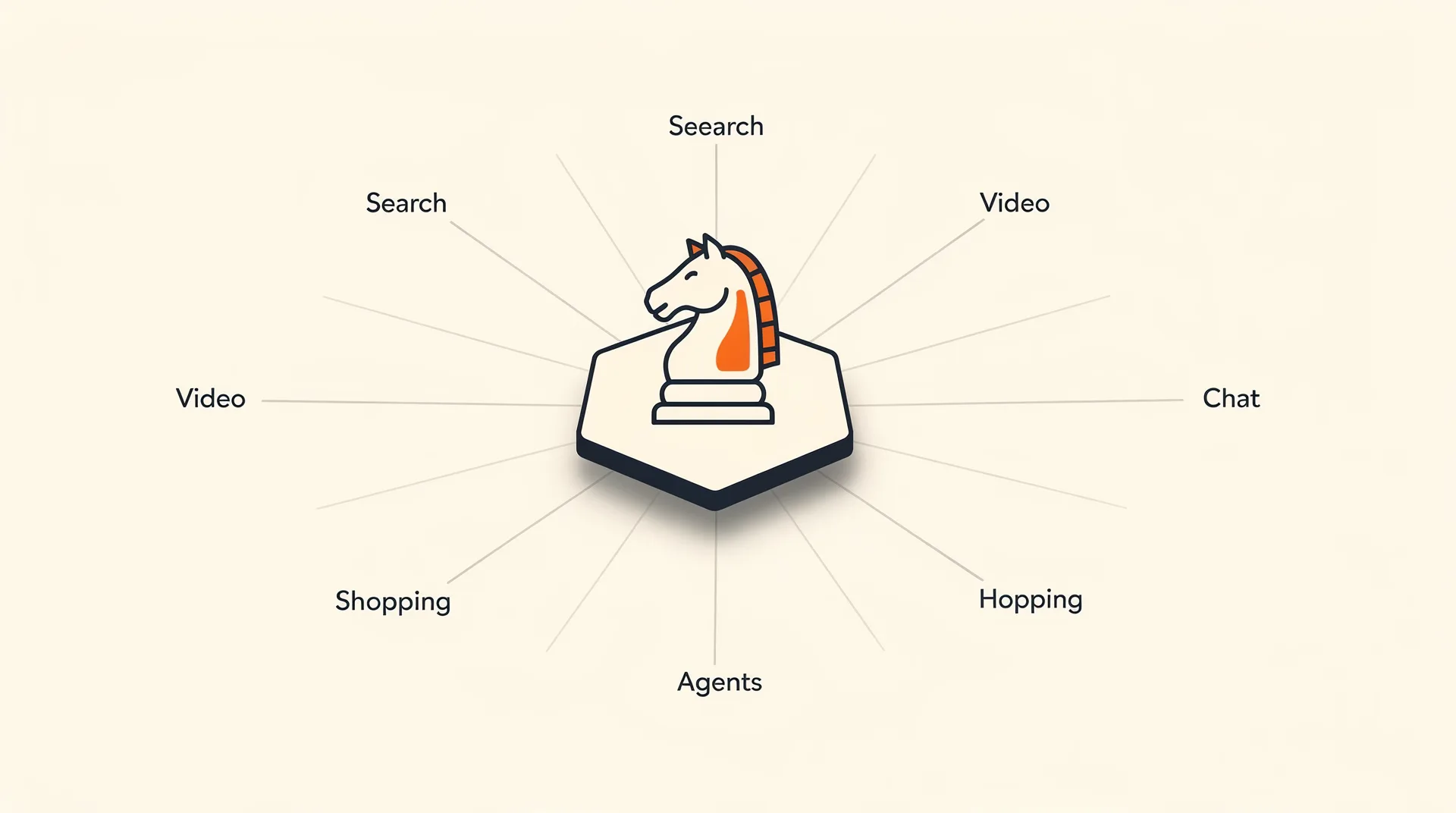
YouTube is moving the same way. Its new “Ask YouTube” experience is built around natural-language discovery, follow-up questions, and structured responses assembled from long-form video and Shorts source. That is not a separate trend. It is the same one: discovery is shifting from keyword lookup to guided interaction.
Why this matters for marketers
For marketers, the core implication is simple: if the interface is becoming conversational, then visibility depends less on isolated pages and more on whether your content can be understood, reused, and trusted in a broader answer system.
Traditional SEO fundamentals still matter. Google still recommends high-quality, unique, user-focused content, plus clear titles, descriptions, canonicalization, and discoverability via sitemaps and internal links source. But the way those fundamentals pay off is changing. Content now has to serve both the crawler and the model layer that interprets, summarizes, and routes users toward answers.
That means three things are becoming more important:
- Topic coverage over single-keyword targeting
- Entity clarity over vague brand prose
- Evidence-rich content over generic “thought leadership”
This is consistent with older SEO guidance too. Orbit Media’s discussion of keyword-first versus topic-first SEO makes the case for validating demand, expanding into related phrases, and building content around semantic coverage rather than stuffing one phrase into a page source. Column Five’s SEO content guide similarly emphasizes researching audience questions, curating a keyword list by relevance, and studying what already ranks before writing source.
The evidence point marketers should not ignore
There is a lot of speculation in AI search right now, but the best available evidence still supports a measured view.
A recent Search Engine Journal article summarizing a Victorious study says 90% of brands had zero AI search mentions in the dataset, and the research tested 177 brands across five verticals and 107,011 AI responses across eight platforms source. Because the article is sponsored, it should be read as vendor-published research rather than independent academic proof. But it is still useful for one reason: it shows how early the market still is, and how wide the gap remains between traditional SEO activity and AI visibility.
That gap is exactly why marketers should not assume that strong organic rankings automatically translate into AI mentions or citations. The relationship may exist in some cases, but the study’s premise is already a warning: traditional search performance and AI search visibility are related, yet not identical signals.
So the question is no longer, “How do we rank for one keyword?”
It is, “How do we become a reliable source for a cluster of related questions across search, chat, and video surfaces?”
What to do this week
Start with one page, one topic, one intent cluster.
Use the same practical research process SEO has relied on for years, but apply it more deliberately:
1. Pick a topic users would ask in plain language
Use the phrasing your customers would actually use in AI Mode, YouTube Ask, or People Also Ask. Look at search results, discussion threads, and customer feedback to understand the language of the problem source.
2. Map the related questions before writing
Orbit Media’s point is still the right one: target the topic, not just the keyphrase source. Build the content around the sub-questions, objections, comparisons, and definitions that sit around the main query.
3. Check what the current SERP is rewarding
Look at the pages already ranking and identify what they explain well, what they skip, and where your unique evidence can add value source.
4. Add proof, not fluff
The YouTube clip in your source set makes the same broader point: AI-era search rewards content that shows real signals of trust, distinction, and depth, not generic repetition. That aligns with Google’s guidance on unique, user-focused content source.
5. Strengthen the page’s internal path
Make sure the page is easy to discover and easy to understand in context. Use descriptive internal links, clear headings, and clean metadata so both users and systems can infer what the page covers source.
A practical editorial standard for AI SEO
If you want a working editorial standard, use this test:
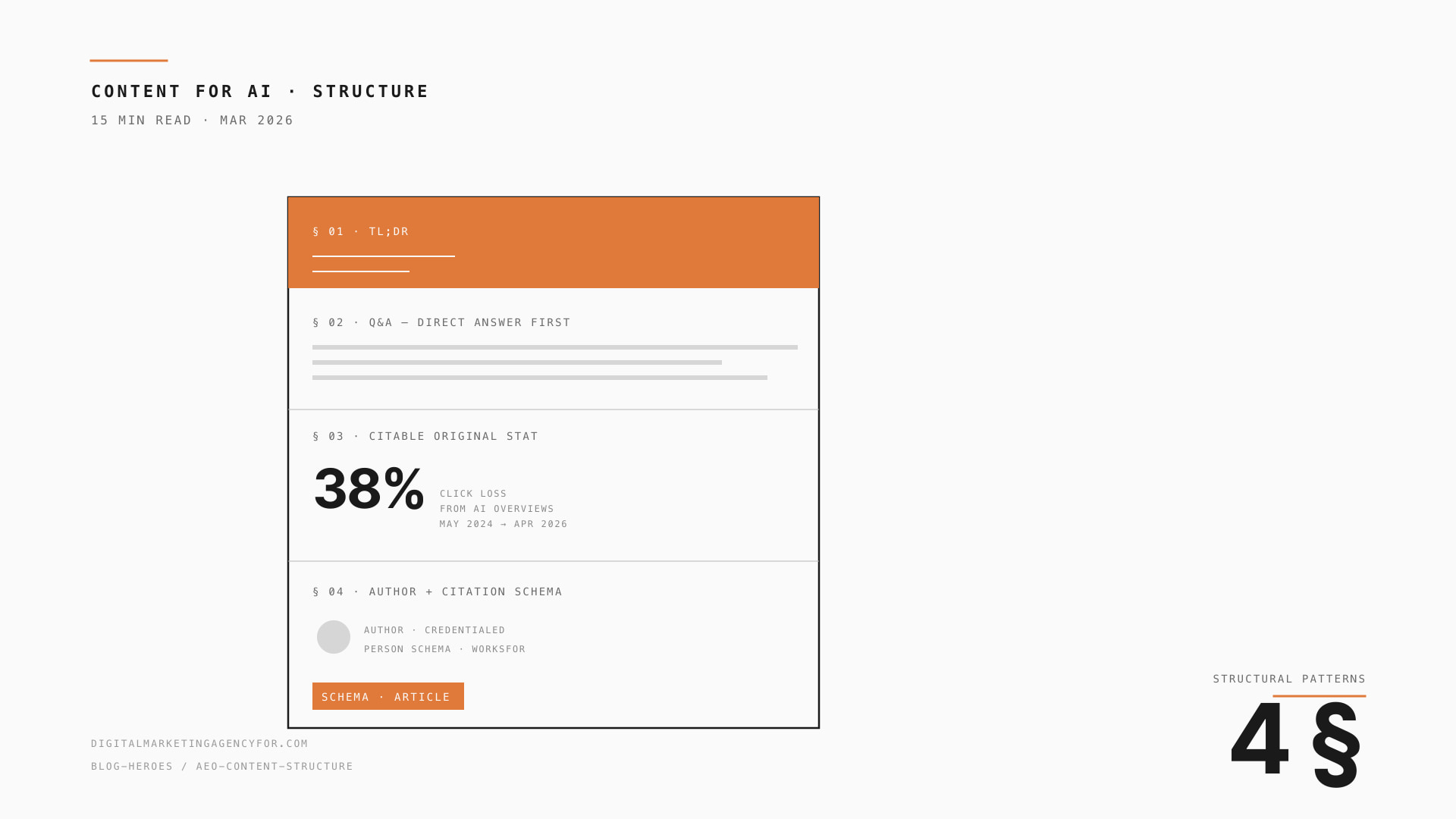
Would this page still make sense if a model had to summarize it for a user who never clicked?
If the answer is no, the page probably needs more structure, clearer entity signals, and more concrete evidence.
That is where AI SEO is headed. Not toward tricking a model, but toward building content that is easy to extract, easy to trust, and easy to recommend. The marketers who adapt fastest will not be the ones chasing every new acronym. They will be the ones tightening their topic strategy, improving content quality, and aligning their pages with how search is actually evolving.
The bottom line
AI SEO changed because search itself changed. Google is making search more conversational and multimodal, YouTube is doing the same, and the evidence so far suggests AI visibility is still uneven across brands source, source, source.
The practical move this week is not to rebuild everything. It is to choose one priority topic, expand it into a real intent cluster, and make the page unmistakably useful to both humans and AI systems.