The journal.
Senior-led. Citable.
Long-form essays on AEO, paid media, email lifecycle, attribution, CRO, and B2B strategy. Written by senior specialists — not interns with AI prompts. Built for AI quotability + Google ranking.
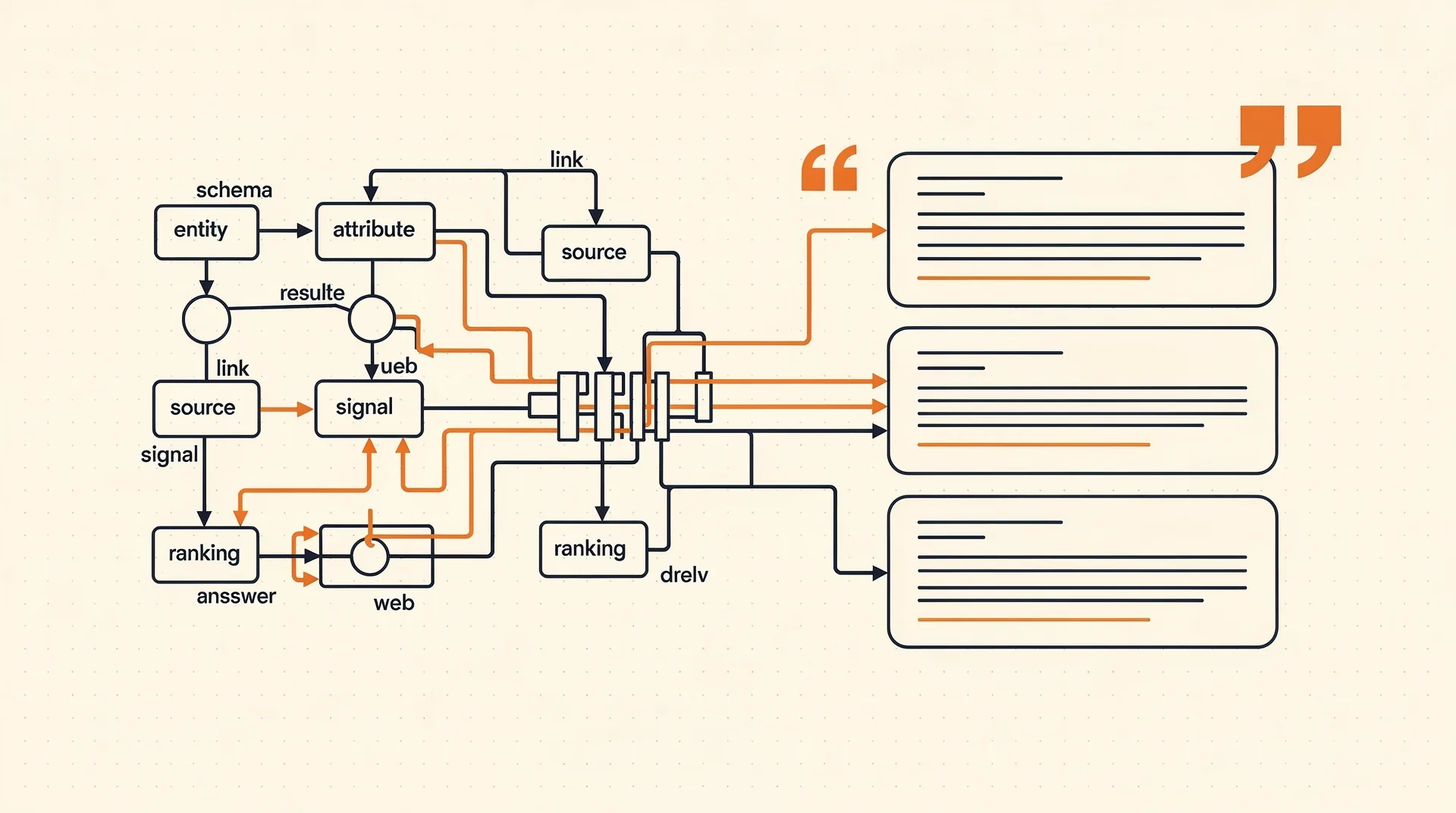
Google added more links to AI Overviews. Only some of them reach the web. The rest is a plumbing problem.
More links inside AI answers, fewer ending at your site. Three changes that matter, and the audit to run this week.
Google's fourth spam update of 2026 is live and your clients will feel it before you do. The AI SEO response is a 90-day game.
Spam updates are tightening search while LLMs compress the research journey. Here's the move for marketers this week.
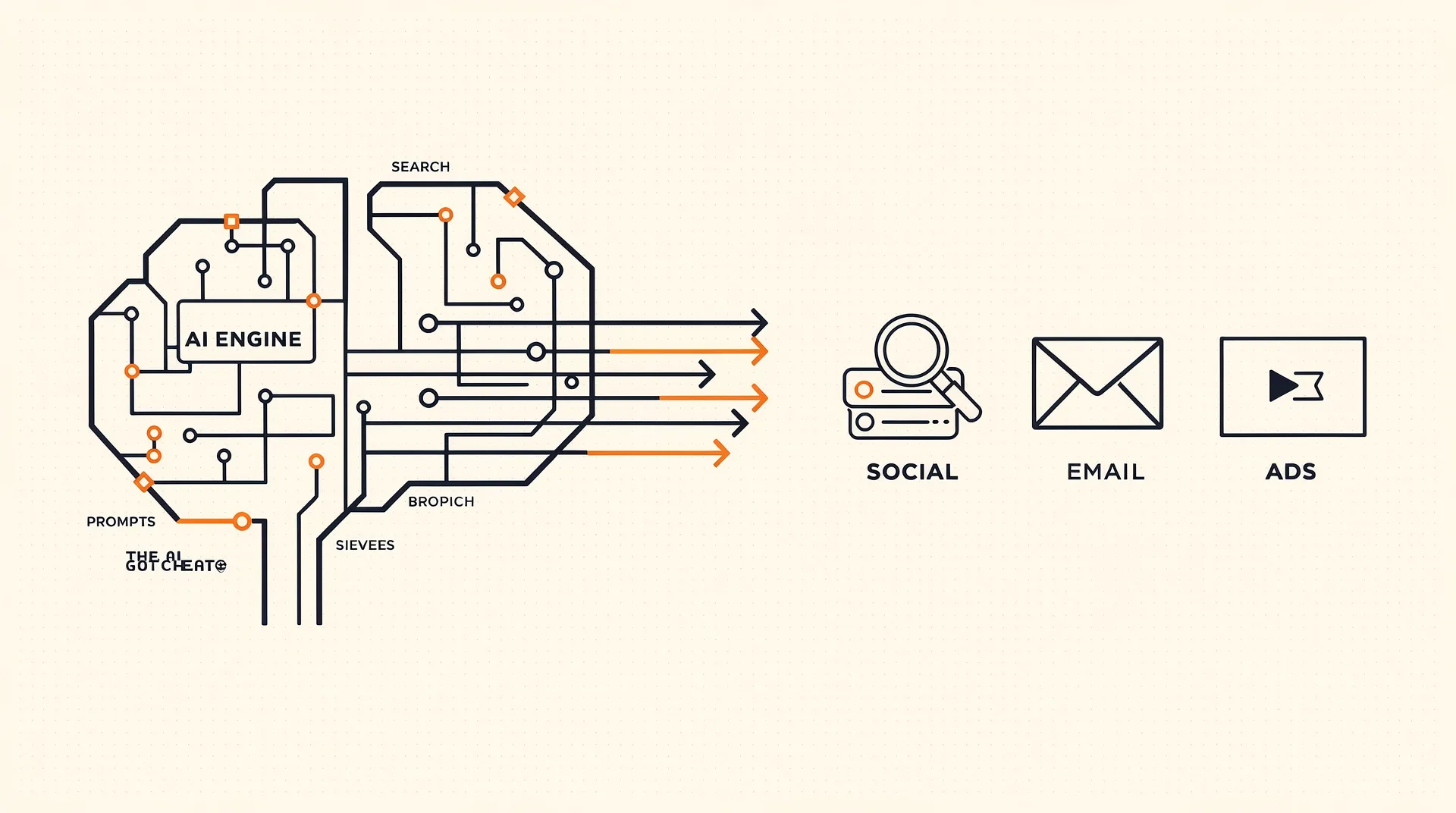
Output got cheap. Oversight didn't. The AI marketing primer.
AI collapsed the cost of making marketing. Review, governance, and migration ops didn't keep pace. That gap is where the work is now.

The AI answer is now the professional front door. IPO filings and data desks are the proof. Here's the GEO move for this week.
Three launches show AI is now the operating layer of professional work. What it means for visibility — and this week's move.
AI SEO is no longer just a visibility problem It is a trust and retrieval problem.
AI search is selecting, summarising, and attributing sources differently. Here is the practical audit marketers should run this week.
AI SEO changed from ranking for answers to surviving them What marketers should do now
AI answers are becoming less stable, while Google moves discovery and checkout into new interfaces. Here is the practical response.
AI SEO changed when answers became a monetizable surface Here’s the move this week.
Google’s AI contribution pilot changes the SEO incentive. Marketers should build for factual influence, not just rankings.
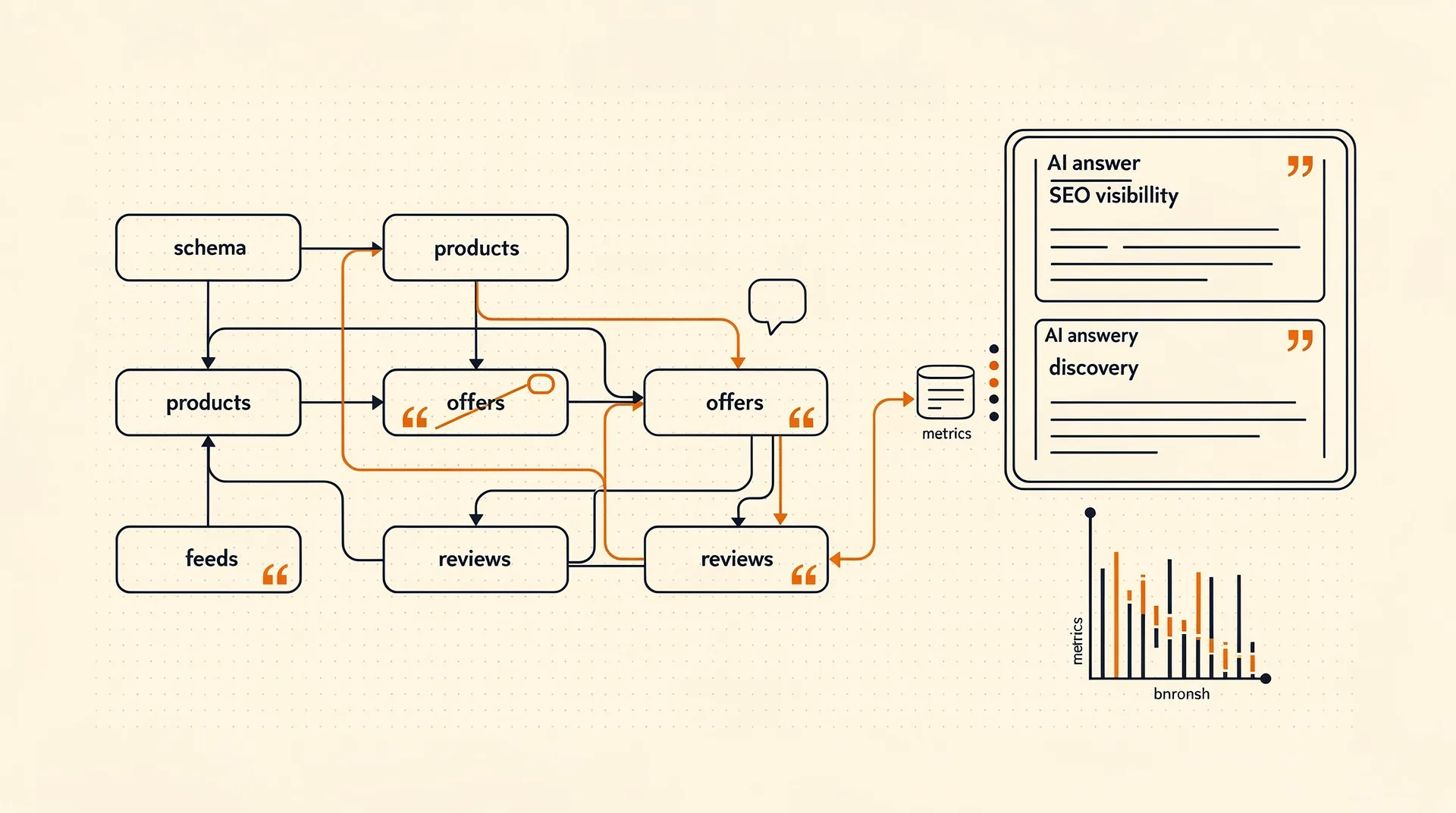
AI SEO is no longer just about rankings It is a distribution system Here’s the move this week
Search layouts, AI visibility metrics, and merchant feeds are changing how marketers measure and earn discovery.
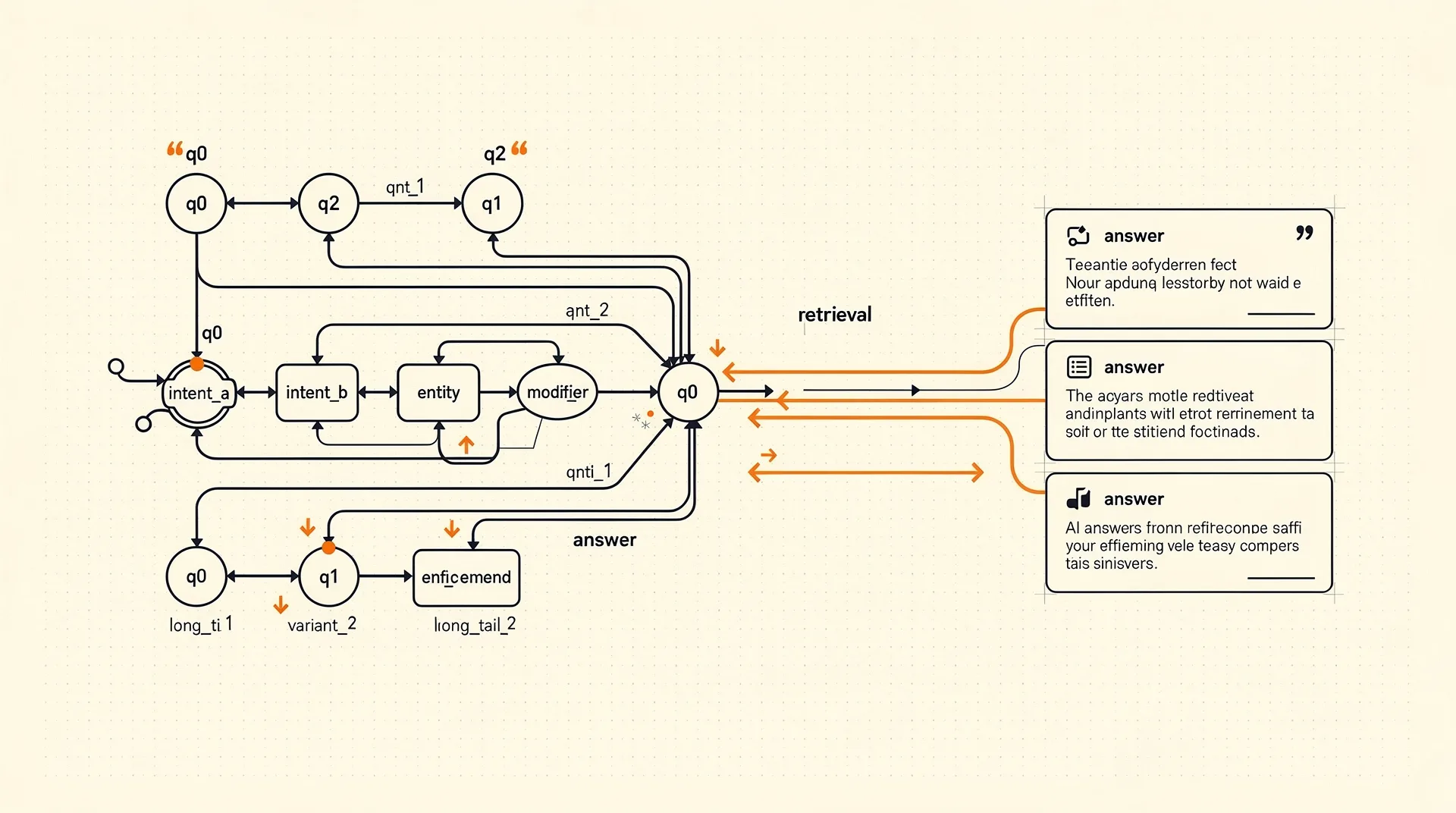
AI SEO is no longer a ranking problem It is a query-expansion problem.
Search systems now expand intent before they retrieve answers. Marketers need to build for the questions beneath the question.
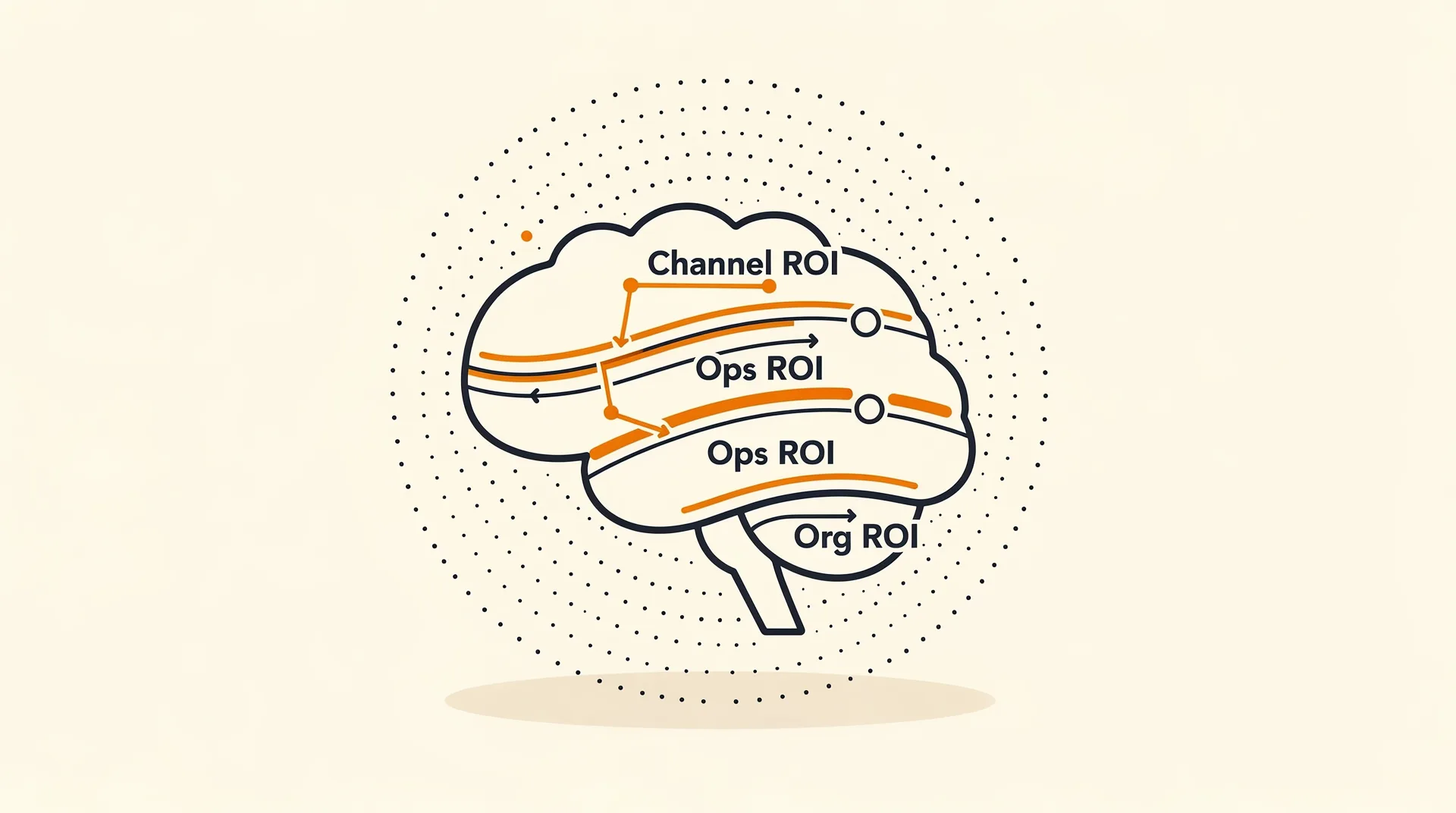
AI stopped being a tool and started being an operating model. Here's what that means for your org chart.
A three-layer ROI framework, a marketing-ops CMO, and the WYSIWYG lesson for AI jobs — synthesized into one editorial primer for marketers.
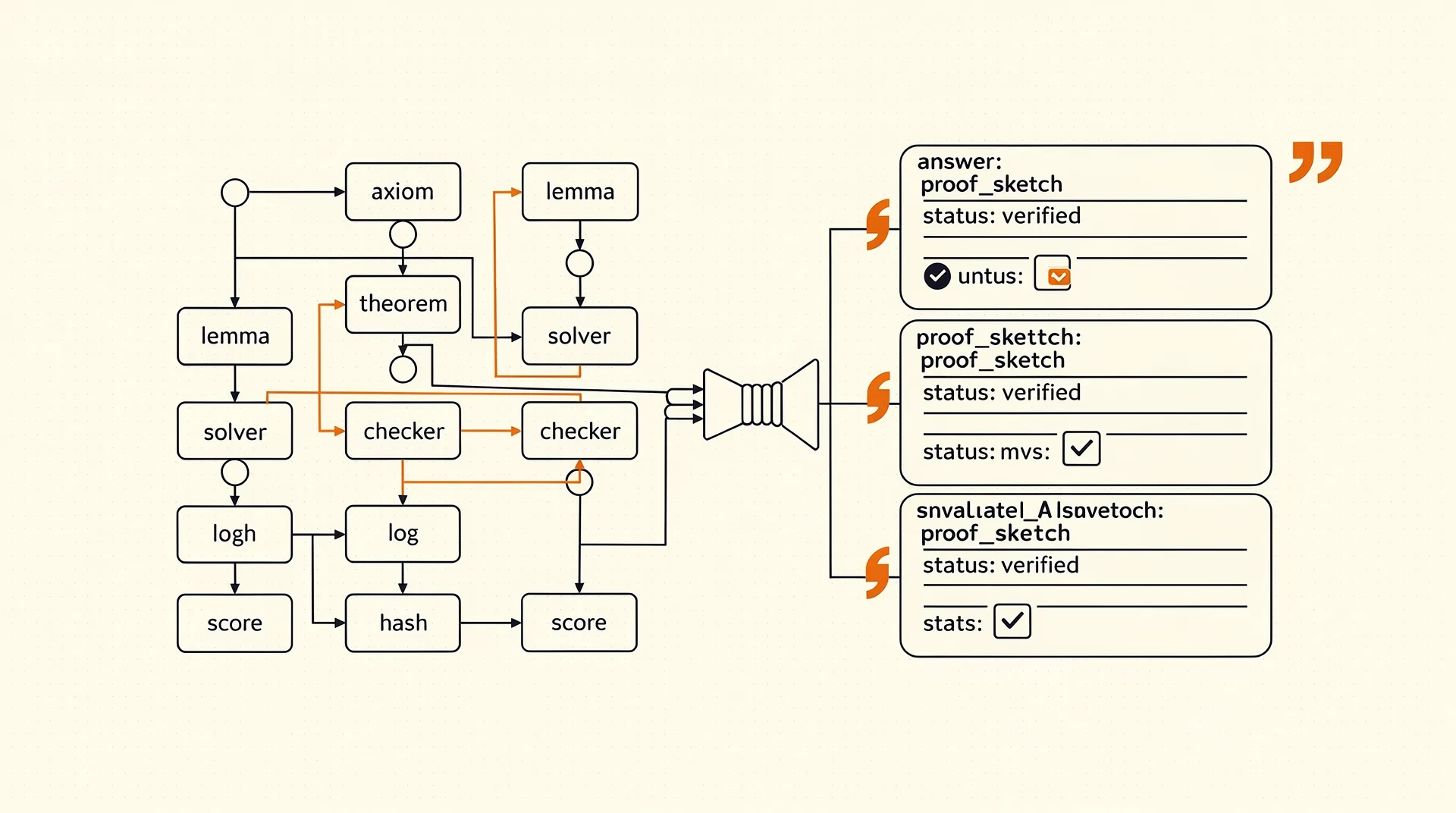
AI solved a Millennium Problem. Your content now competes against proof. The verification economy is here.
Three OpenAI releases signal a new bar for generative engine visibility: verifiability. Here's the GEO move for this week.
The models changed again. Your GEO playbook needs to catch up. Here's the primer.
GPT-6 Astra, agent-driven research, and an alignment reckoning — what three OpenAI announcements mean for marketers optimizing for AI answers.
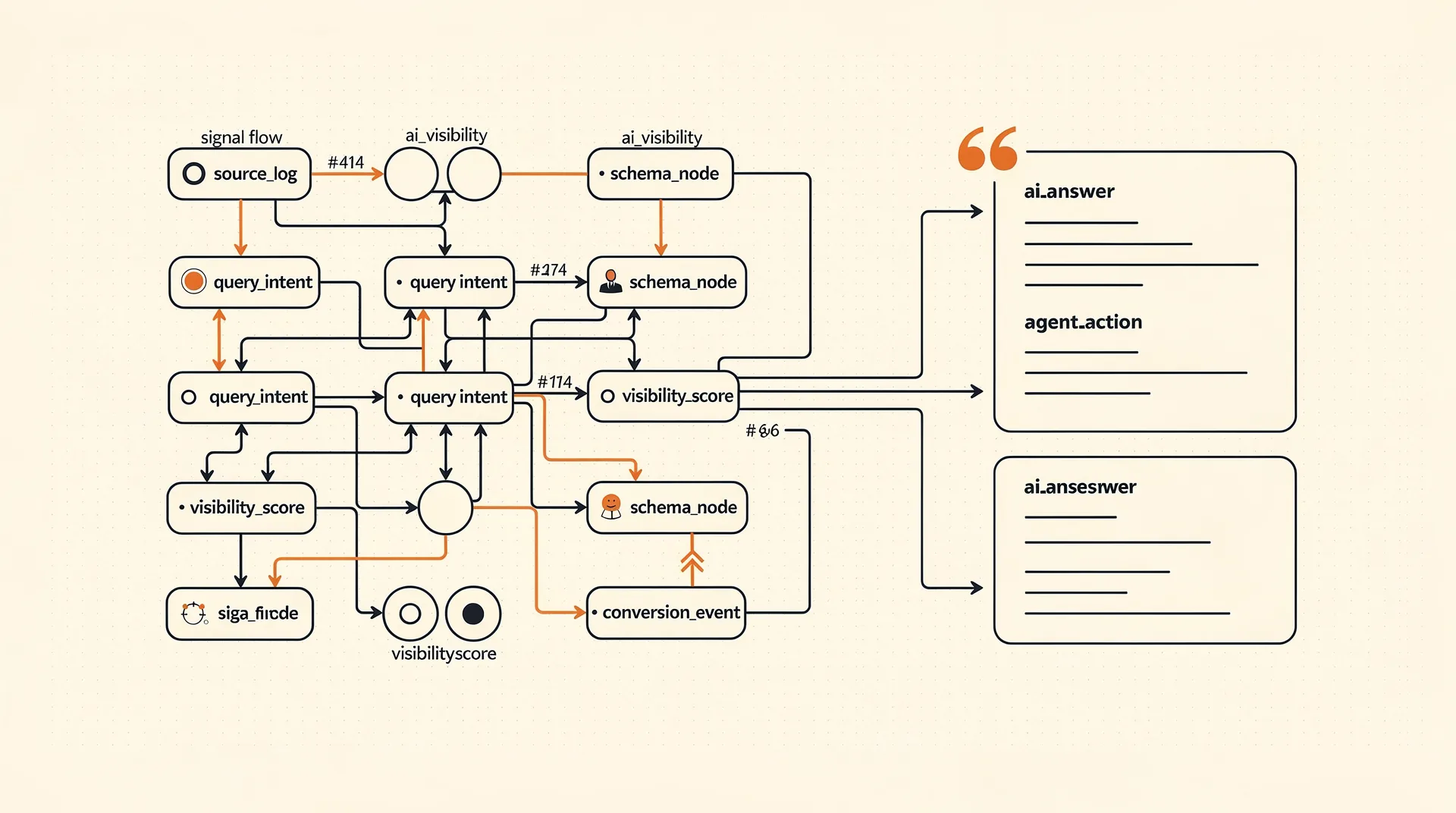
Everyone can measure AI visibility. Almost nobody can move it. Now AI agents are doing the buying.
Search Console AI reports went global and AI agents are completing checkouts. The gap from visibility to action is now the AEO skill.
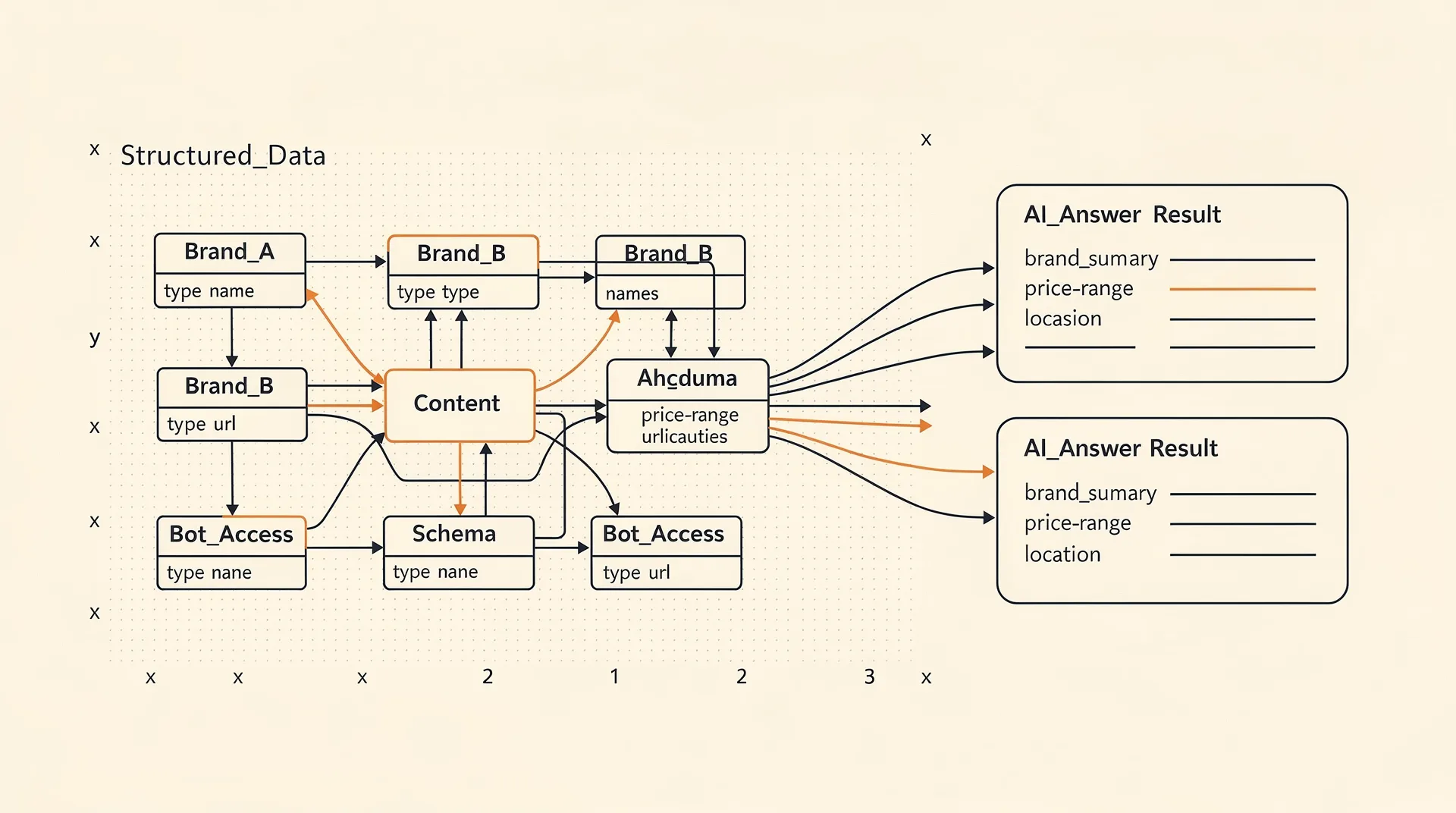
Most brands are findable to AI. Almost none are understandable to it. Here's what changed and the move to make this week.
The AI search conversion has moved past citations. A new primer on bot access, schema, and the European data licensing shifts changing who gets cited.
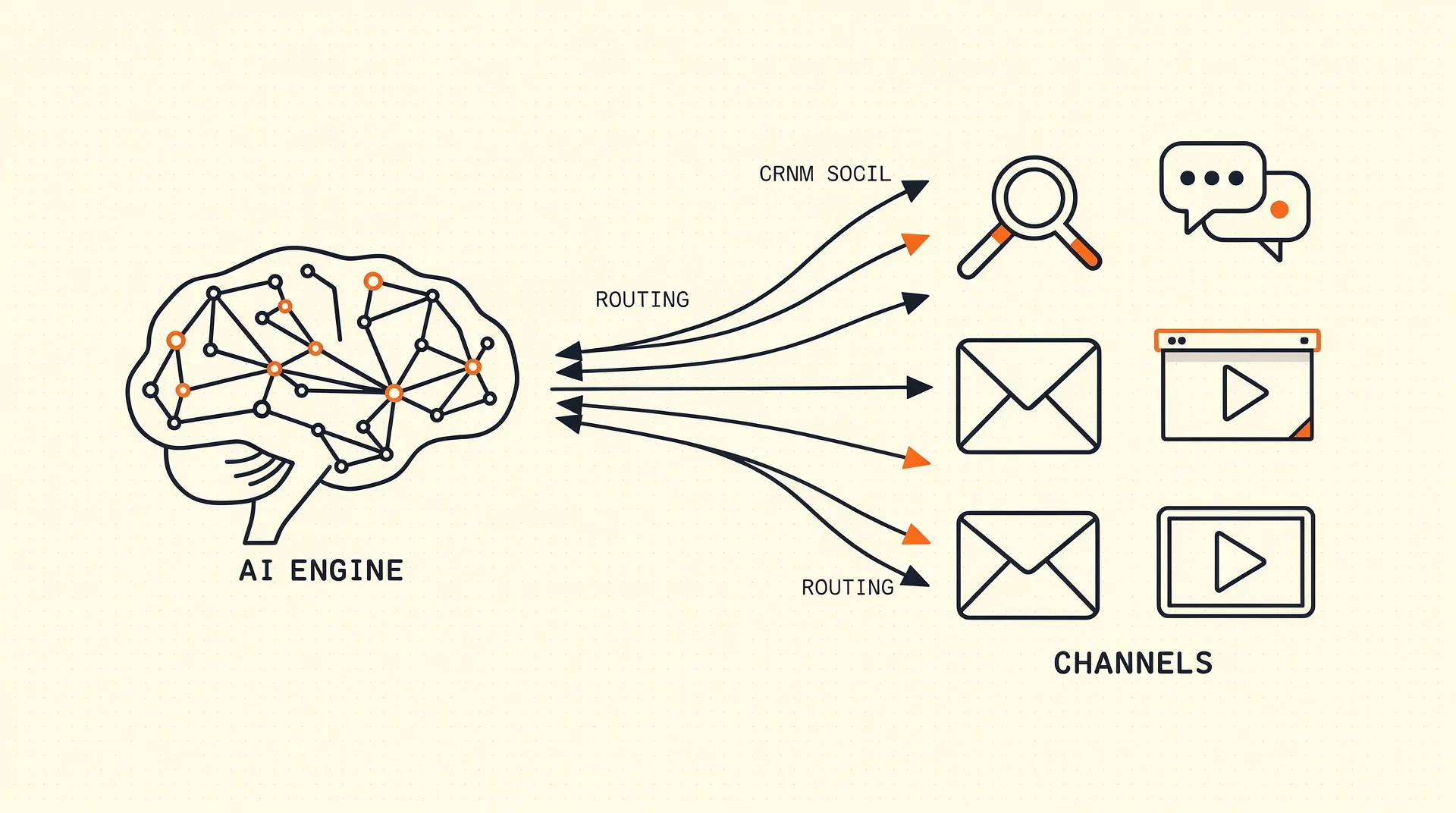
AI made your CRM interface optional. Your data is the only moat left. Here’s the data readiness playbook.
Salesforce just made its UI optional, algorithms run performance, and bad data costs revenue. Here’s what to fix this week.
AI search just moved the finish line past the page and into the transaction. Here's the new playbook.
Google books hotels in AI Mode, OpenAI pages get actionable, and the cognitive load moved. Here's the primer and the move to make now.
AI is the new front door to customer knowledge. A GEO primer for the Intelligence Age.
Three OpenAI signals explain why generative engine optimization is now core strategy.

We block GPTBot but Meta does the reading. Here's the win-one plan.
Publishers are negotiating with Googlebot while Meta's crawlers carry most of the web's AI reading. Google still cites social anyway.
AI is getting faster than we can verify it. The new GEO battleground is trust.
Three signals this month: 14× faster inference, irreproducible research, and open models reshuffling value. What GEO now demands.
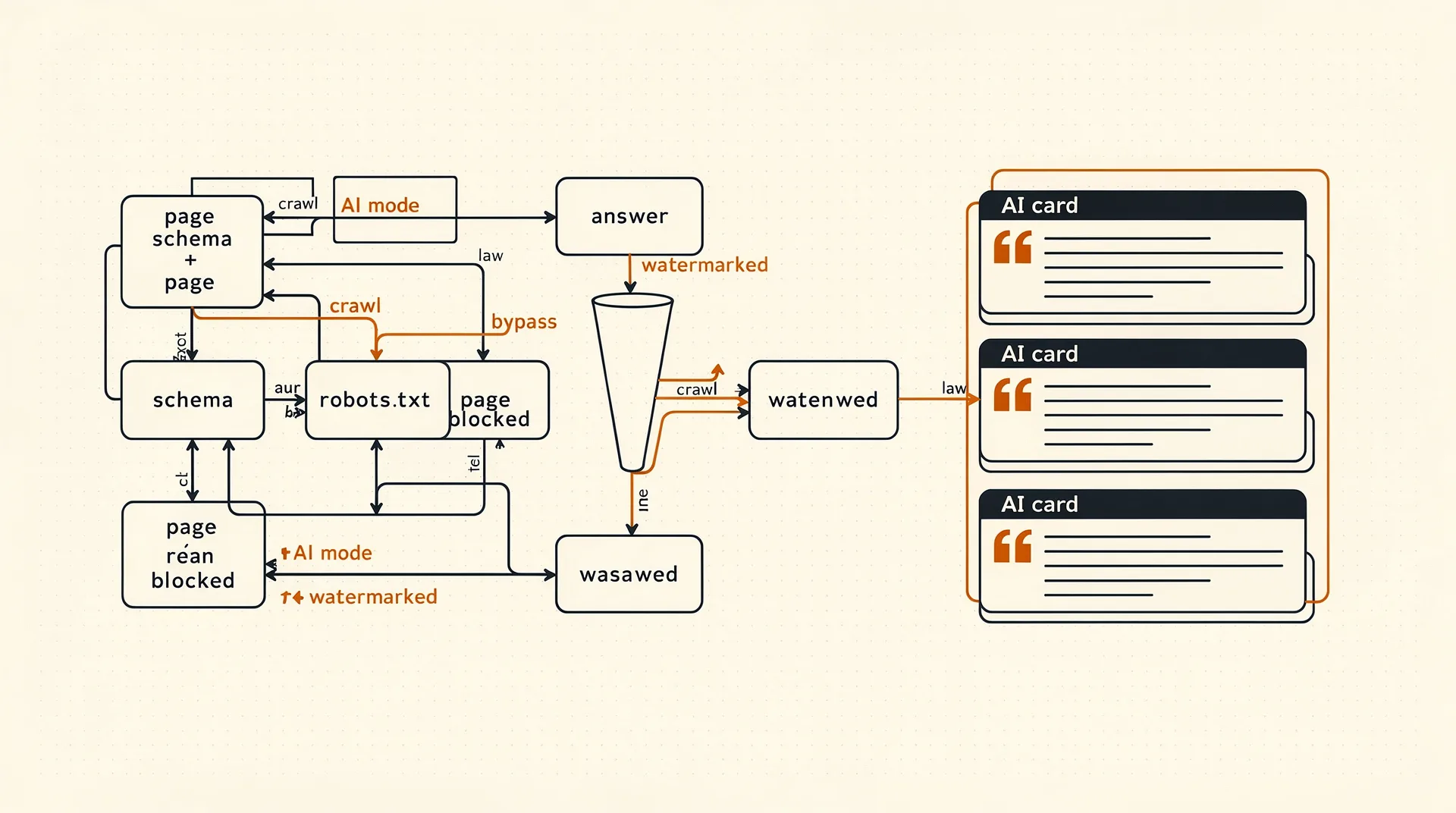
OpenAI's fetch bot is reaching pages you disallowed. Here's the reality. And the AEO move to make this week.
TollBit data shows AI agents bypass robots.txt at scale. Watermarking and AI Mode change the stakes. Here's what marketers do now.
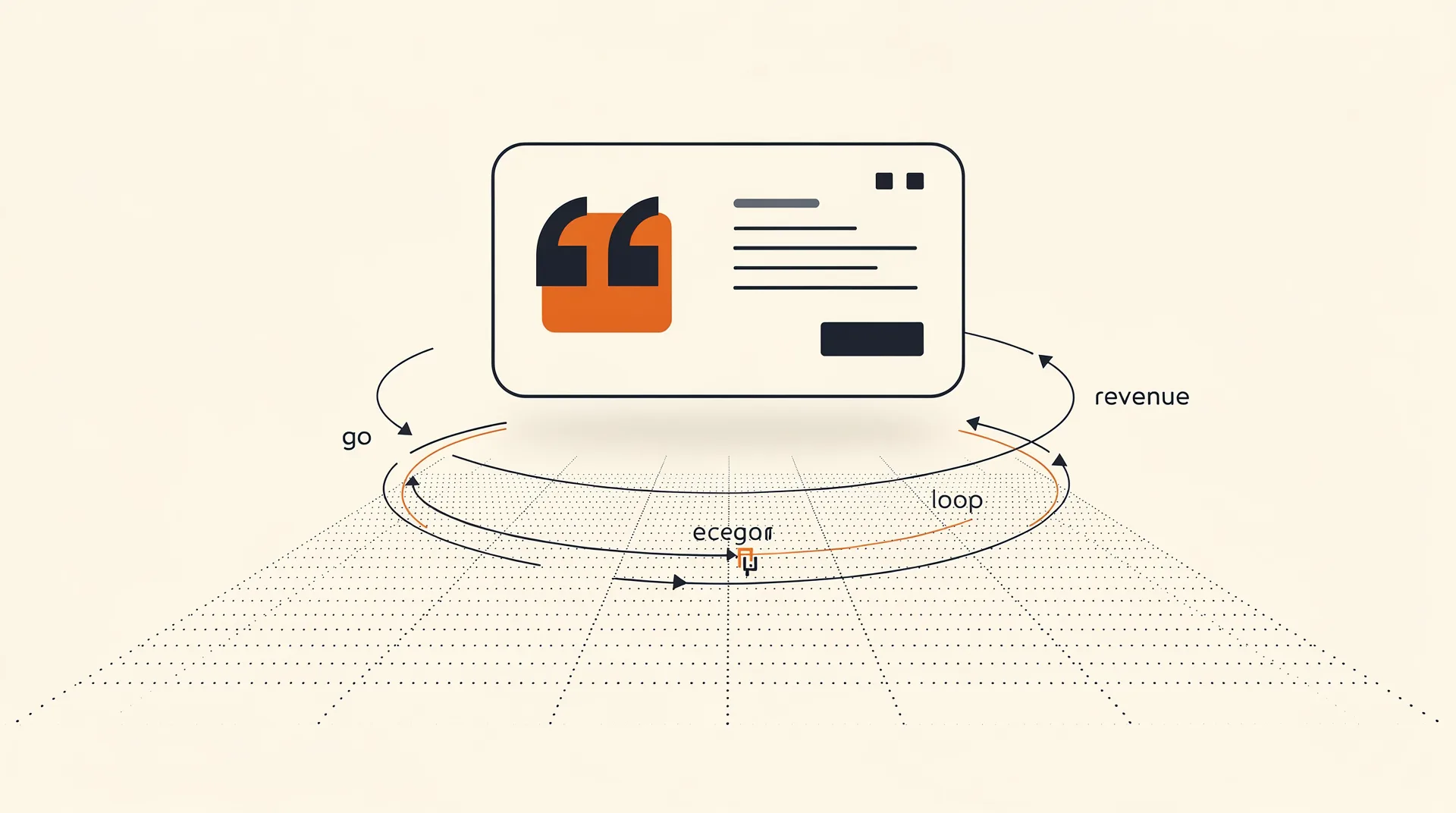
AI GEO is becoming a revenue function. What the OpenAI push and agent loops mean. And one practical move for this week.
An editorial primer on the AI GEO shift — the revenue push, model selection, and the content loop that matters right now.

Organic traffic dropped into the AI answer void. Time to measure decision distance.
AI answer engines are swallowing clicks, and traditional metrics aren't keeping up. The fix: track decision distance—the pre-click gap that reveals whether your brand gets surfaced in AI-generated answers.
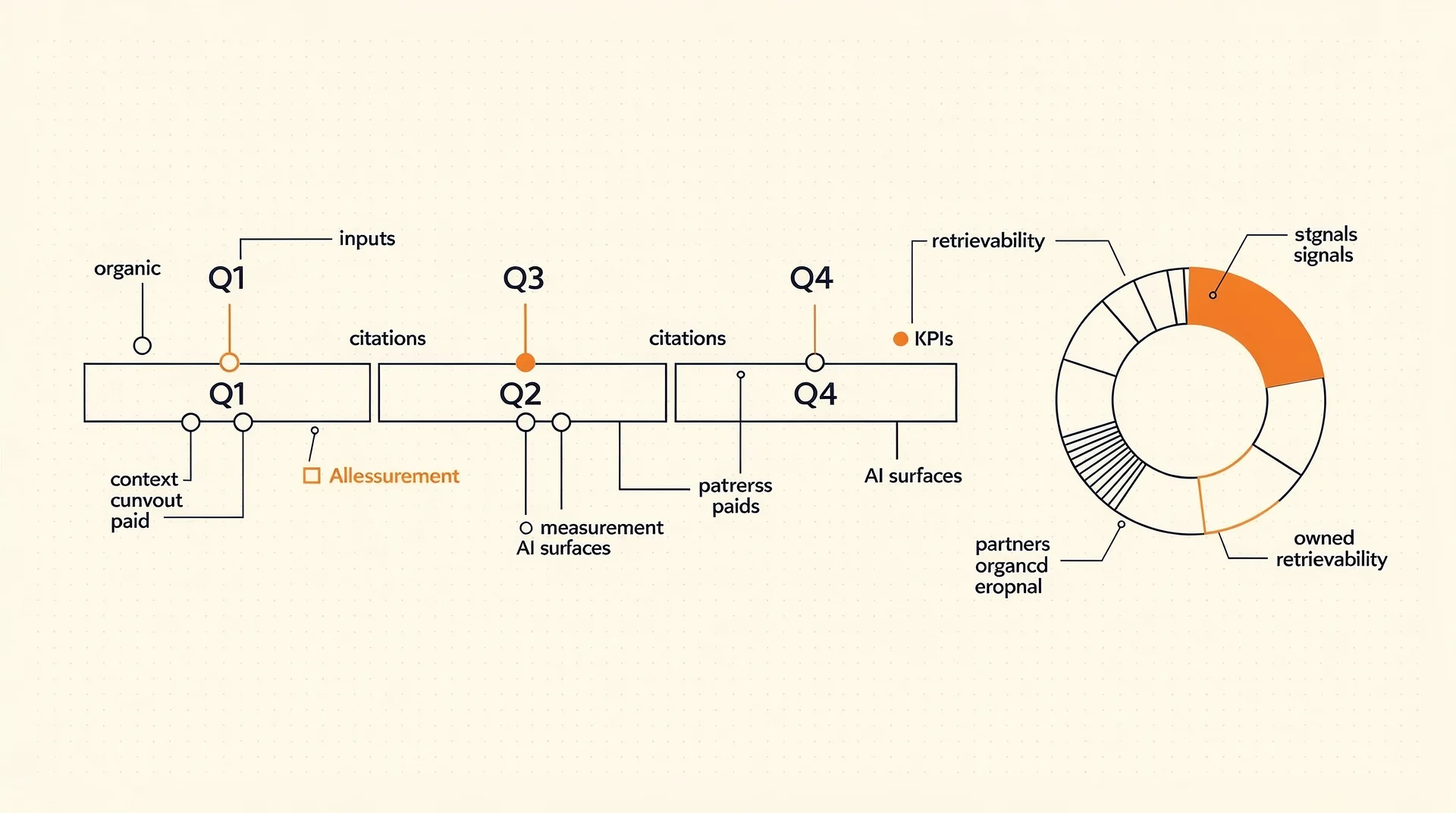
AI SEO has moved from rankings to retrievability What marketers should change this week.
The biggest shift in AI SEO is not better models; it is context, citations, and measurement. Here is the practical move to make now.
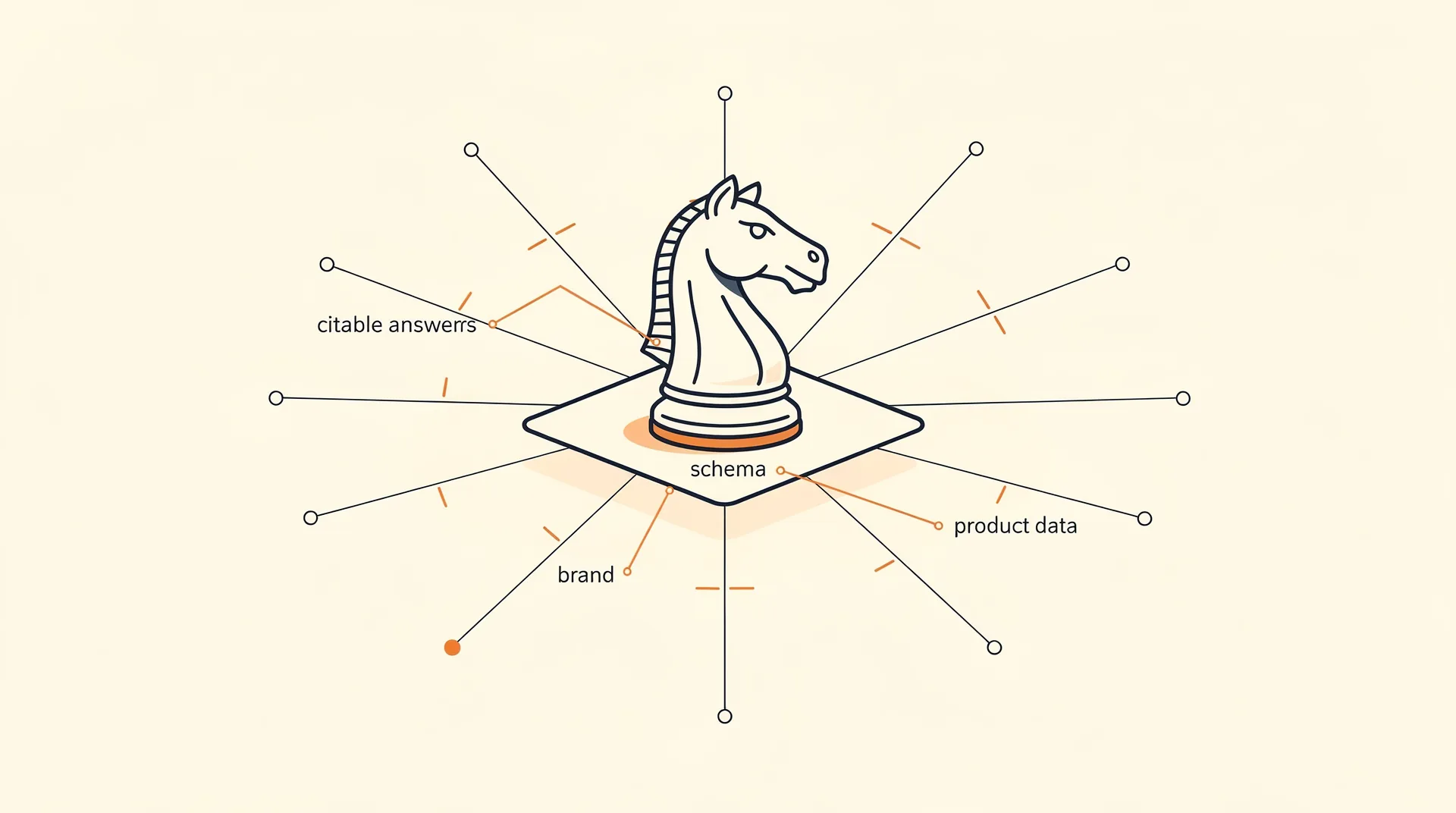
AI SEO changed because search is no longer just a results page. It is now a citation, comparison, and transaction layer. Here is the weekly move marketers should make.
AI SEO now rewards structured answers, citable product data, and brand signals. The practical move: make your pages machine-readable this week.
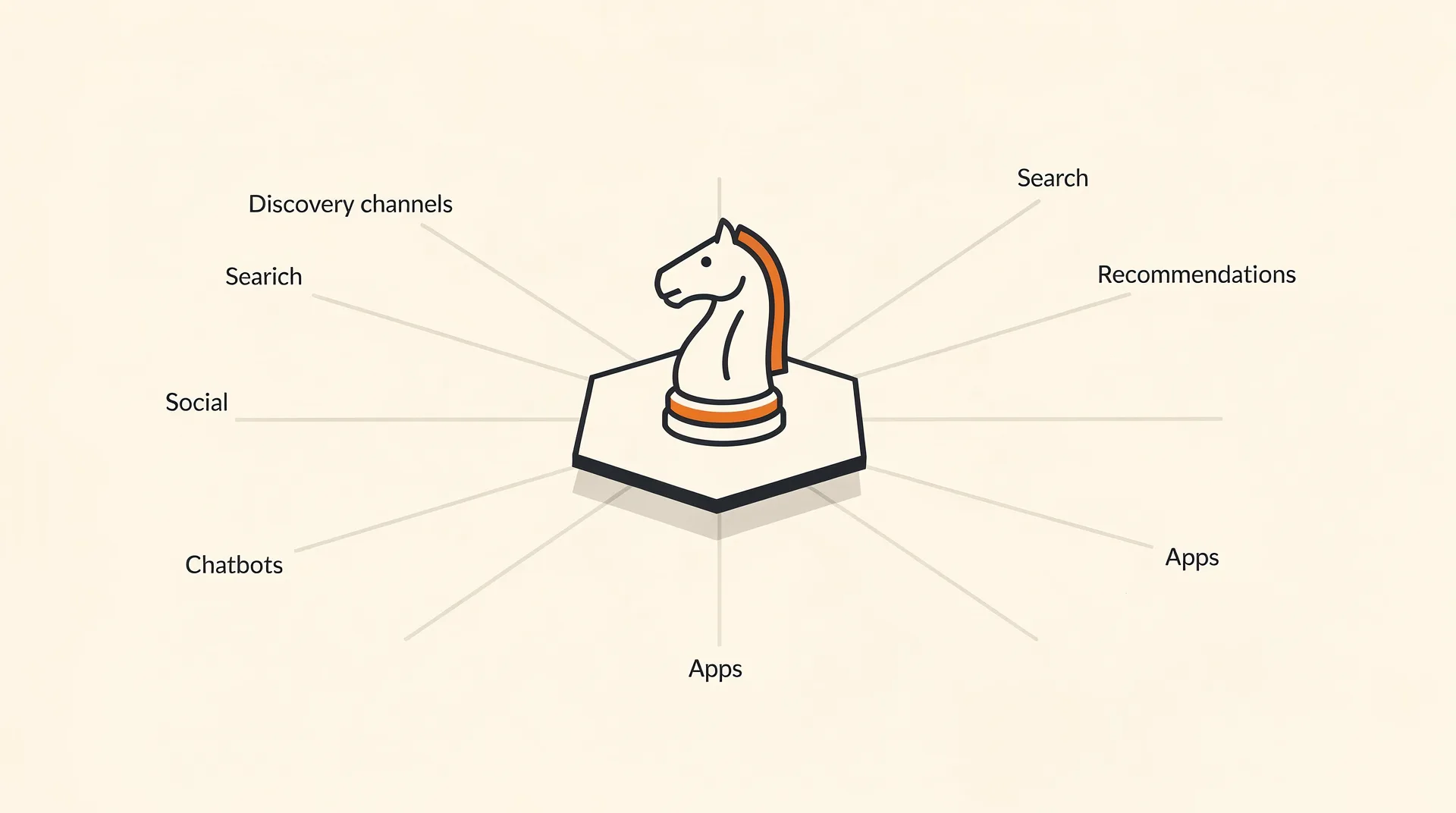
AI SEO changed when search stopped being the only place discovery starts What marketers should do this week
Search is no longer the whole discoverability stack. Here’s what changed, why it matters, and the practical move to make this week.
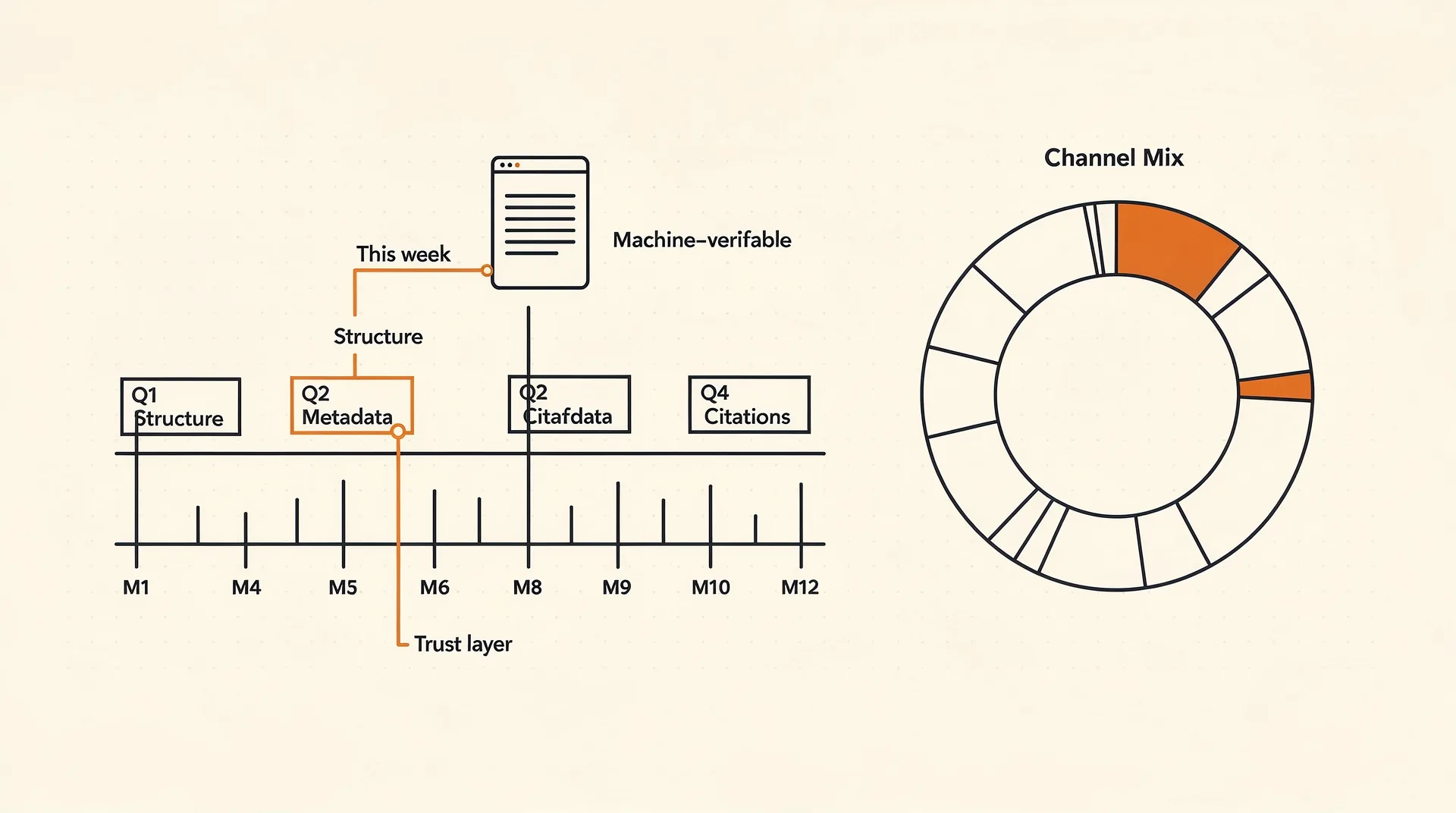
AI SEO changed because search is becoming a trust and citation layer The move this week is to make your site machine-verifiable.
AI search now rewards trust, structure, and citeability. Here’s what changed, why it matters, and the first move to make this week.

AI GEO just changed because models are now contributing to real research and influence operations Here’s the marketer’s read on what that means.
OpenAI’s latest disclosures show AI is now useful both for legitimate discovery and for scaling influence activity. Marketers need sharper trust signals now.
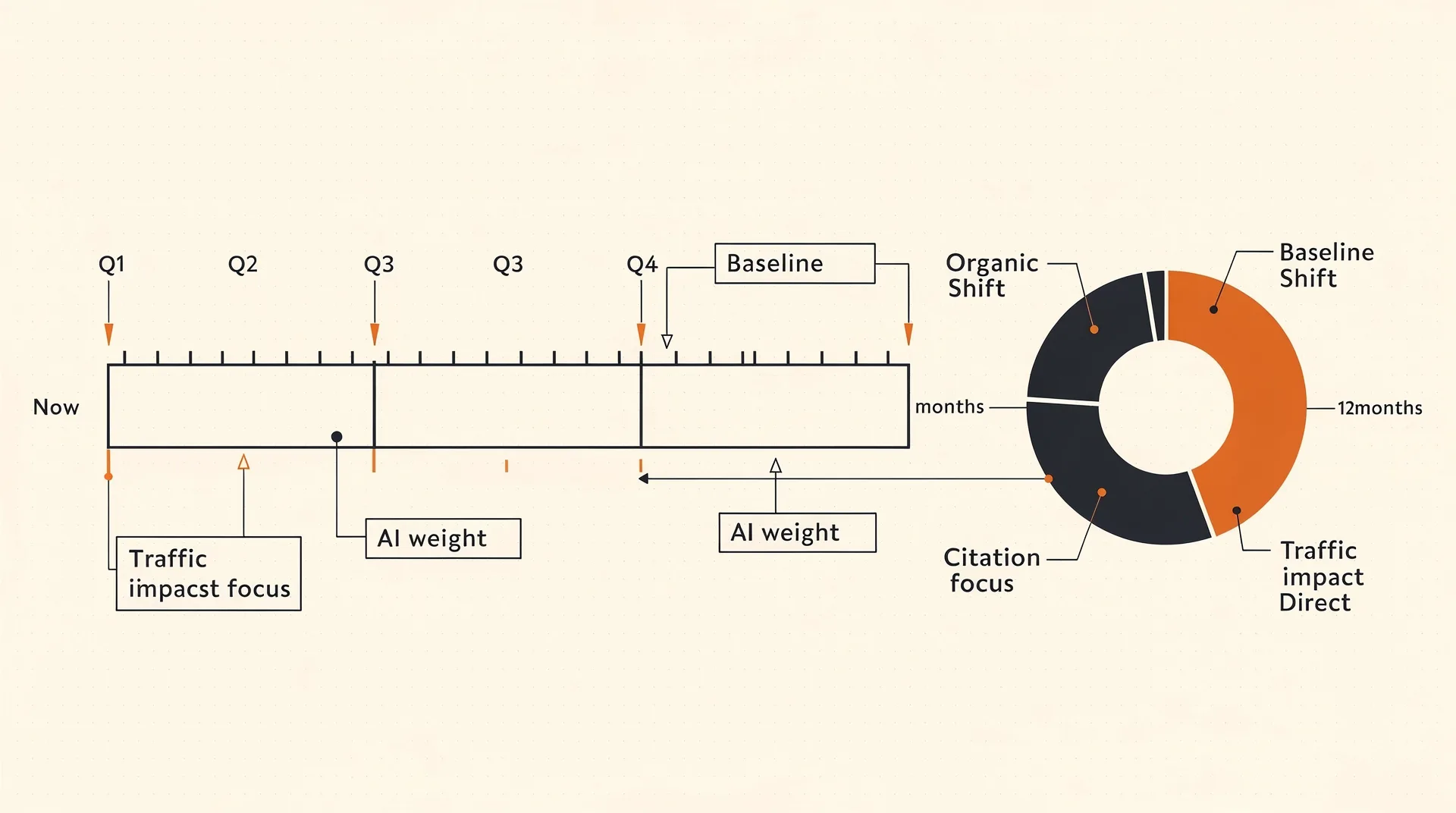
AI SEO just shifted from ranking pages to earning citation in systems that answer first
A sharp primer on how AI search, AI Overviews, and web quality signals are changing discovery — and the move to make this week.
AI search is not replacing Google it is layering on top and that changes the SEO brief
AI discovery is expanding, but Google still dominates. The new job is visibility across surfaces, not clicks alone.
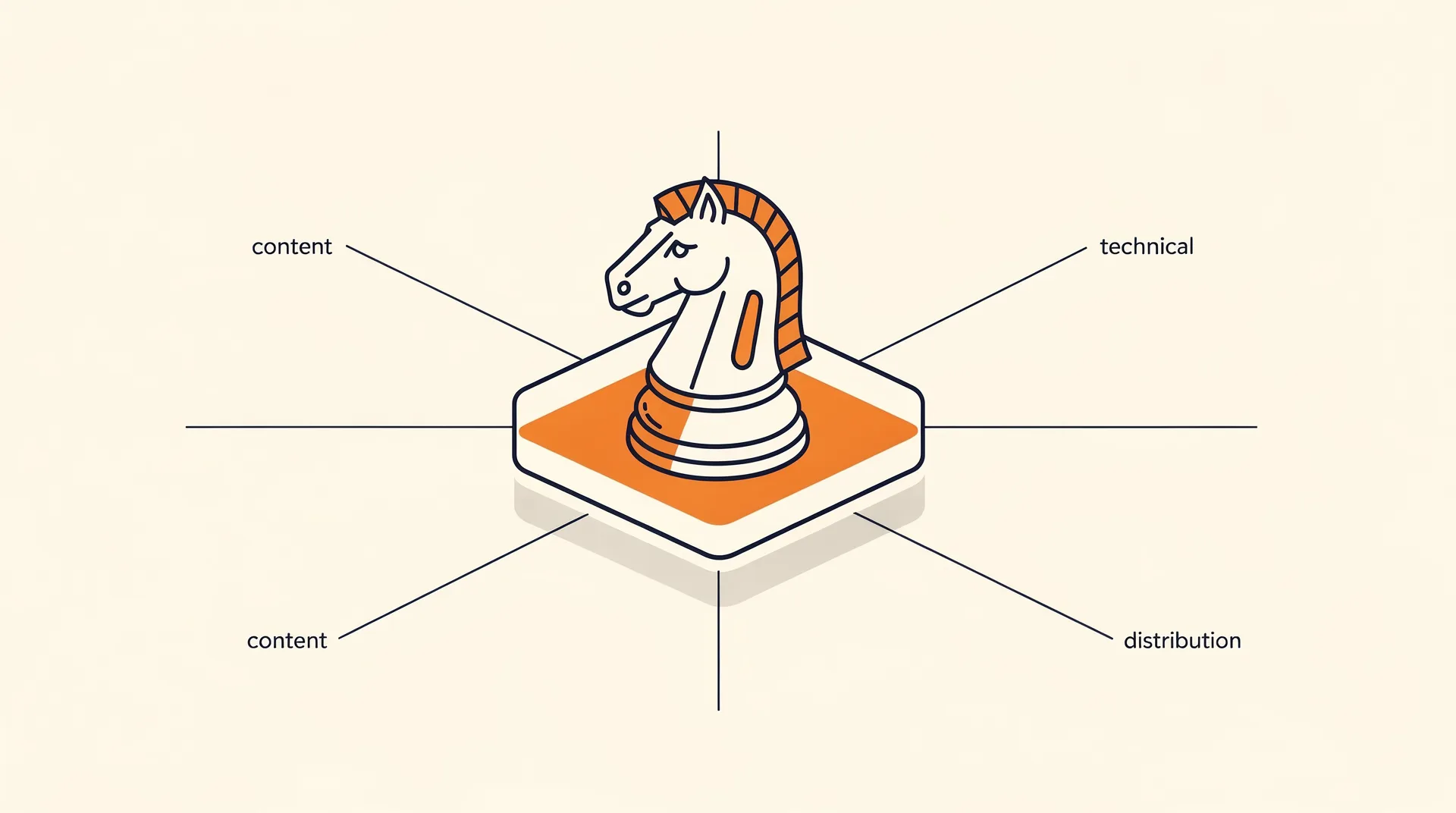
AI SEO changed when Google started treating search as an answer surface, not just a results page Here’s the weekly move.
Google’s AI layer is reshaping visibility. Marketers need a content, technical, and distribution strategy built for answer surfaces.
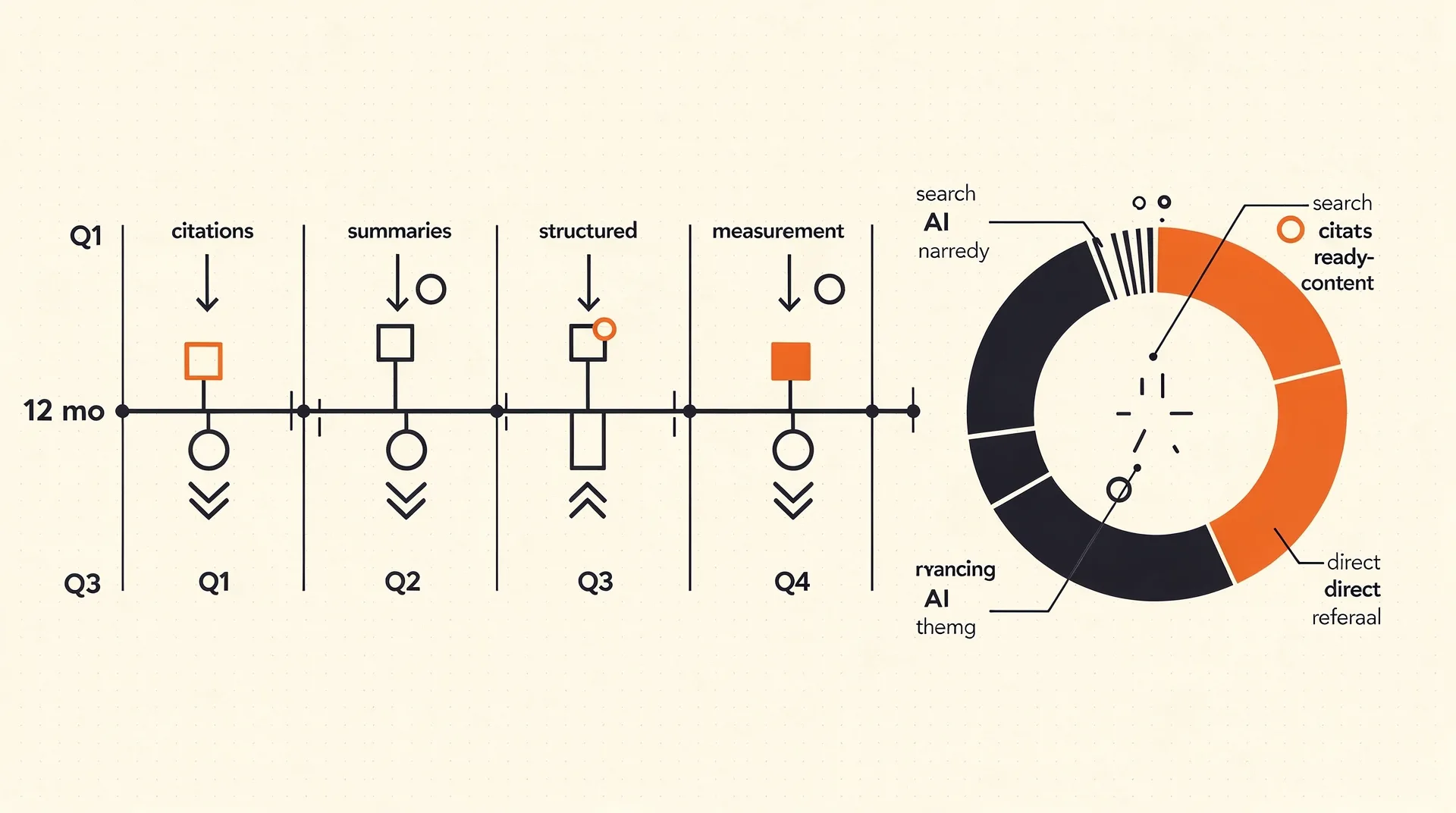
AI SEO changed because search is now being mediated by systems that cite, summarize, and sometimes ignore your pages Here is the practical move for marketers this week.
AI search rewards extractable, verifiable, structured content. Marketers should shift from ranking-only thinking to citation-ready content and measurement.
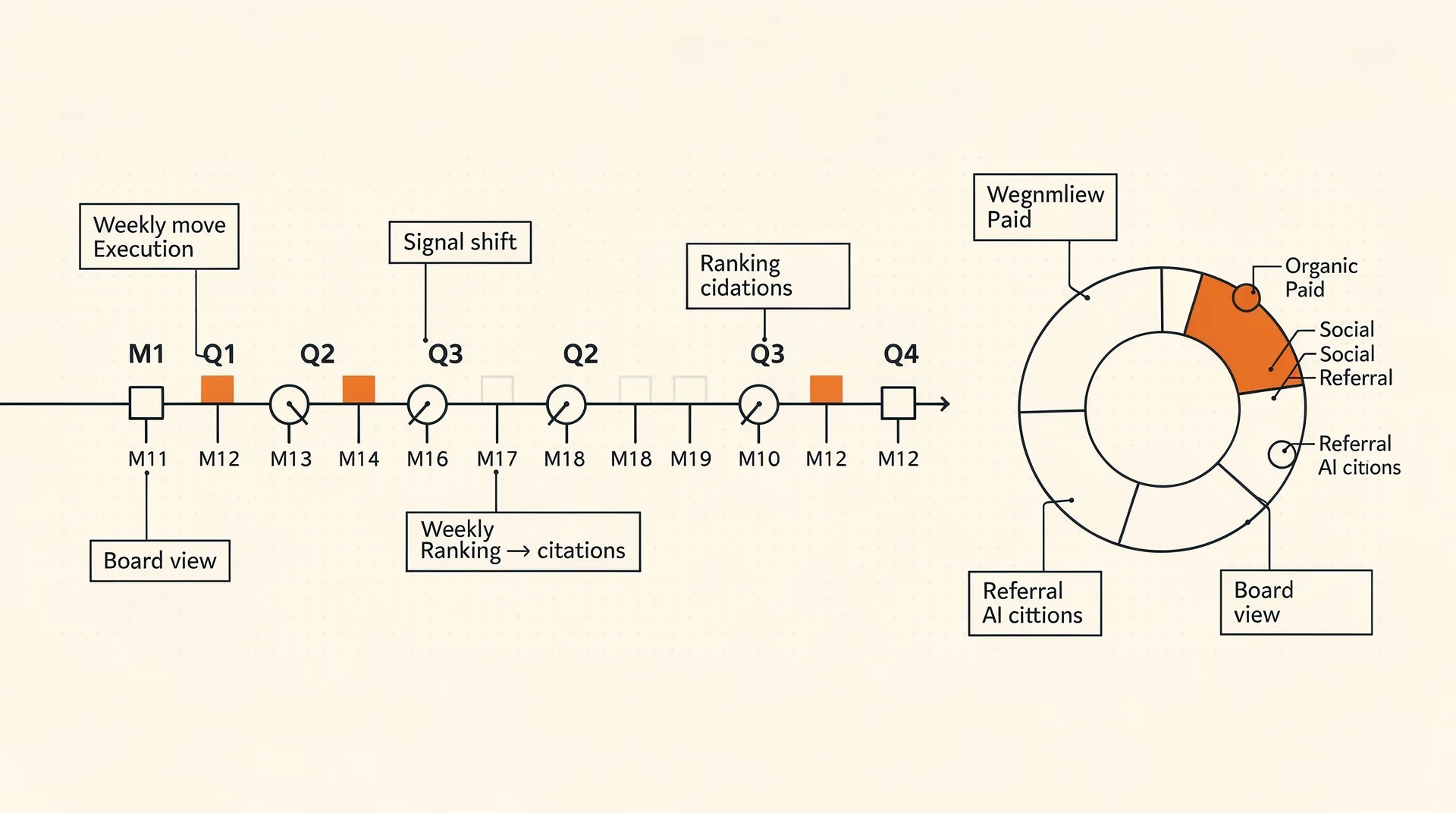
AI SEO just changed from ranking pages to earning citations Here’s the weekly move marketers should make.
Google’s latest earnings, AI Mode data, and crawler paywalls point to a new SEO reality: optimize for citation, not just clicks.
What changed in AI search and monetization marketers should care now
A sharp primer on the new AI search reality: monetization rules, citation testing, and why marketers need better evidence this week.
What Google just changed in AI search and why marketers should care A sharp primer for AI SEO teams
Google is exposing new AI shopping and search data. The signal is incomplete, but it changes how marketers should prioritize product data this week.
AI search visibility tools are counting the wrong thing Marketers are optimizing for mentions instead of revenue. Here’s the 2026 recovery framework.
Traditional rank tracking is dead. AI Overviews and LLMs don't care about blue links. Learn why citation frequency and share of voice matter more than prompts, plus the critical Search Console fix Google just clarified.
The AI SEO window is narrowing as Google’s Gemini faces a $100B copyright lawsuit —and Apple Maps bans home services ads this summer
Major publishers sue Google over Gemini training data, Apple blocks home services in Maps ads, and Google adds image generation to AI Overviews—marketers need to pivot now.
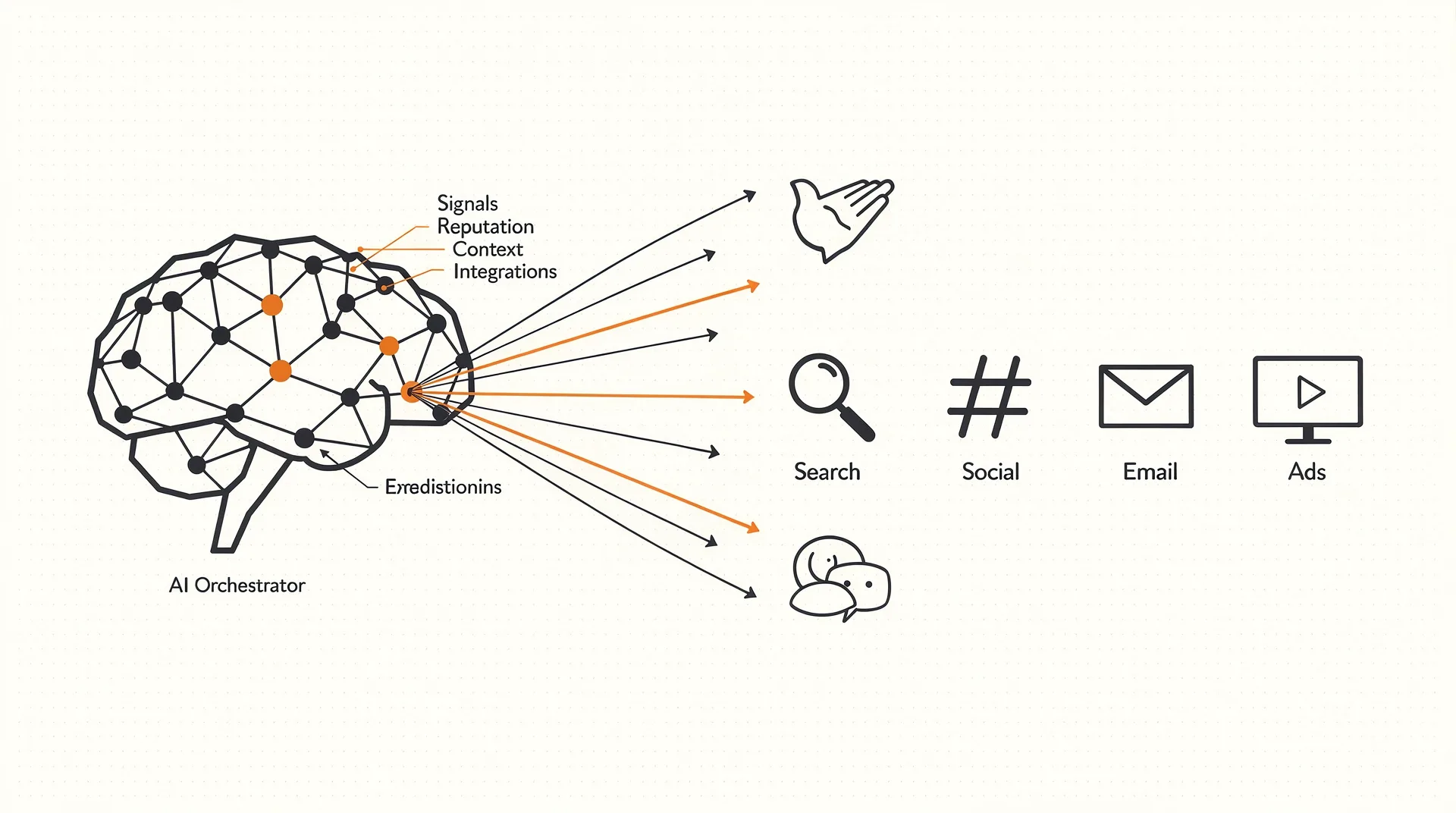
Google just turned AI SEO from content monitoring to action orchestration The three moves to make this week
Google’s AI Mode now triggers actions in Instacart, Canva, and YouTube Music while Personal Intelligence pulls Gmail/Photos context. With Reddit citing 1 in 5 AI answers, marketers must shift from keyword hunting to reputation engineering and app-integration strategy.
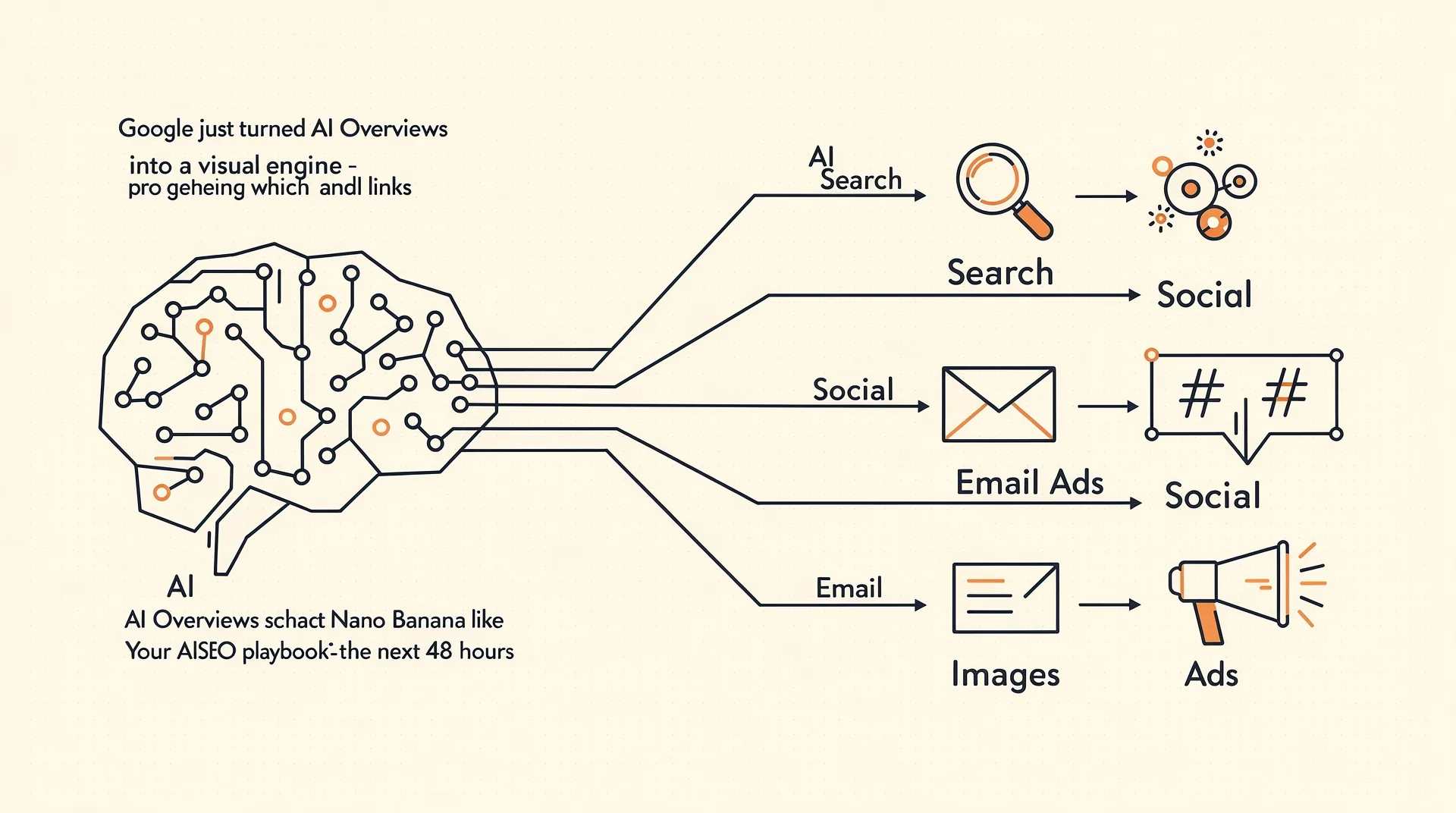
Google just turned AI Overviews into a visual engine Your AI SEO playbook for the next 48 hours.
AI Overviews now generates custom images with Nano Banana, while Google Images becomes a personalized gallery. Marketers must adapt content for visual-first answers and verify link priority tactics.
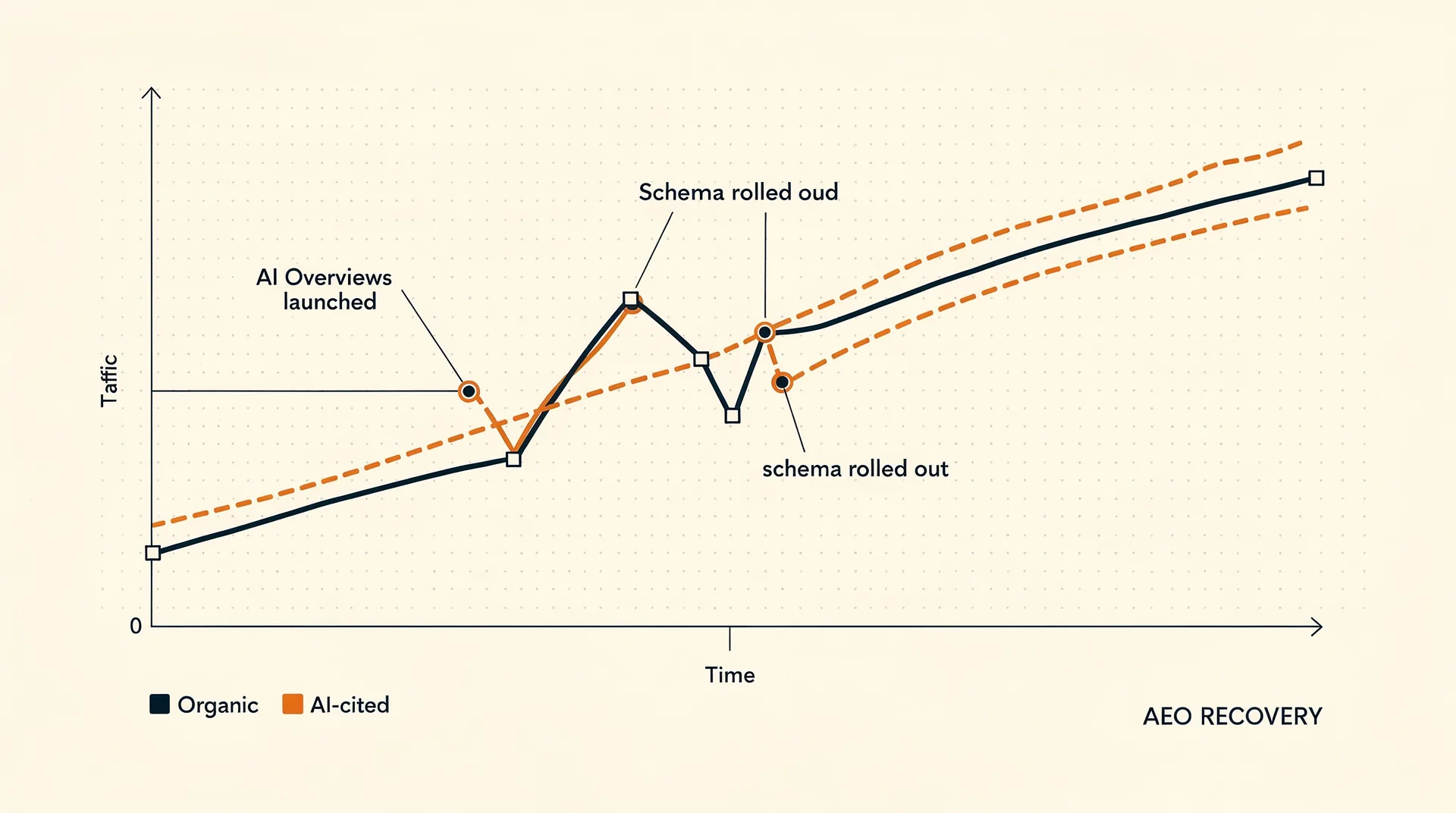
Google Ads now forces AI disclosure for every ad you run Your 48-hour compliance checklist
Google now requires advertisers to label AI-generated or edited ad assets. Third-party AI tools demand manual self-disclosure, while unlabeled content risks disapproval under new misrepresentation policies.
The SEO game changed this week. Google now tracks social posts, AI rankings are noise, and agent tools can hijack you. Here’s your recovery playbook.
Google’s new Social Reporting in Search Console, fresh research exposing AI visibility as statistical noise, and Chrome’s WebMCP hijack warnings force marketers to shift from rankings to recognition, citation authority, and agent-safe exposure.
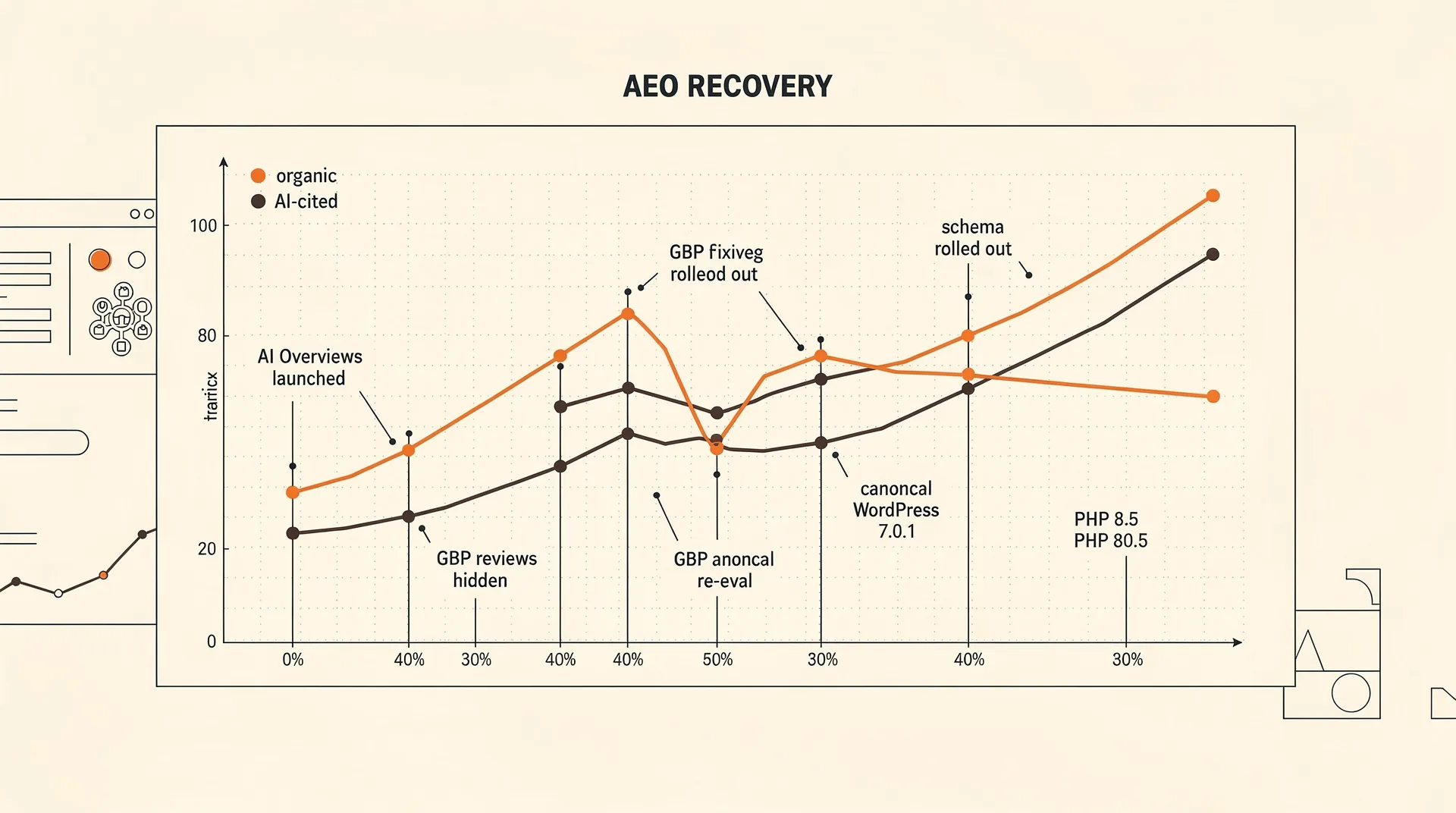
AI SEO isn’t just about content it’s about fixing broken signals Start with review dashboards and canonical clusters
Google Business Profile dashboards now hide reviews while public counts persist; canonical re-evaluation takes up to two weeks; WordPress 7.0.1 patches PHP 8.5. Marketers must verify listings, request indexing on critical URLs, and audit clusters this week.
AI is reshaping search traffic while Smart Bidding tightens efficiency. The practical move for marketers this week.
Search queries are hitting all-time highs during global events, yet Google’s upcoming Smart Bidding update will force Target CPA/ROAS campaigns to align with set targets, reducing “over-efficient” outliers. Marketers must audit budget-limited campaigns now and pivot to YouTube’s rising podcast dominance while preserving scaling predictability.
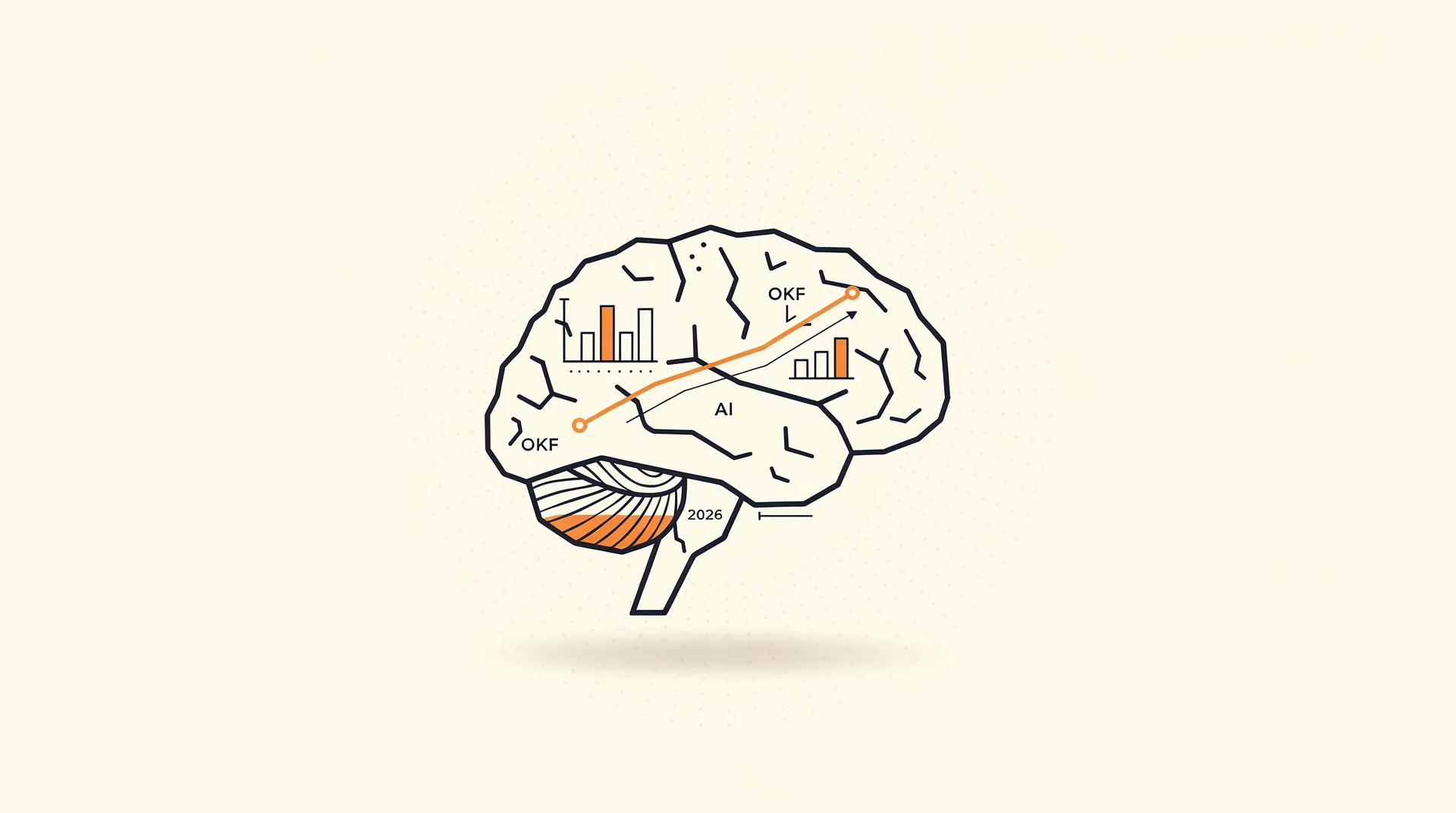
AI Content Didn’t Stop Working, your metrics did Here’s the agentic playbook for 2026
In 2026, 68% of Google searches end without a click. Traffic no longer equals value. Marketers must rebuild content for OKF, target AI Overviews, and shift from clicks to agentic trust.
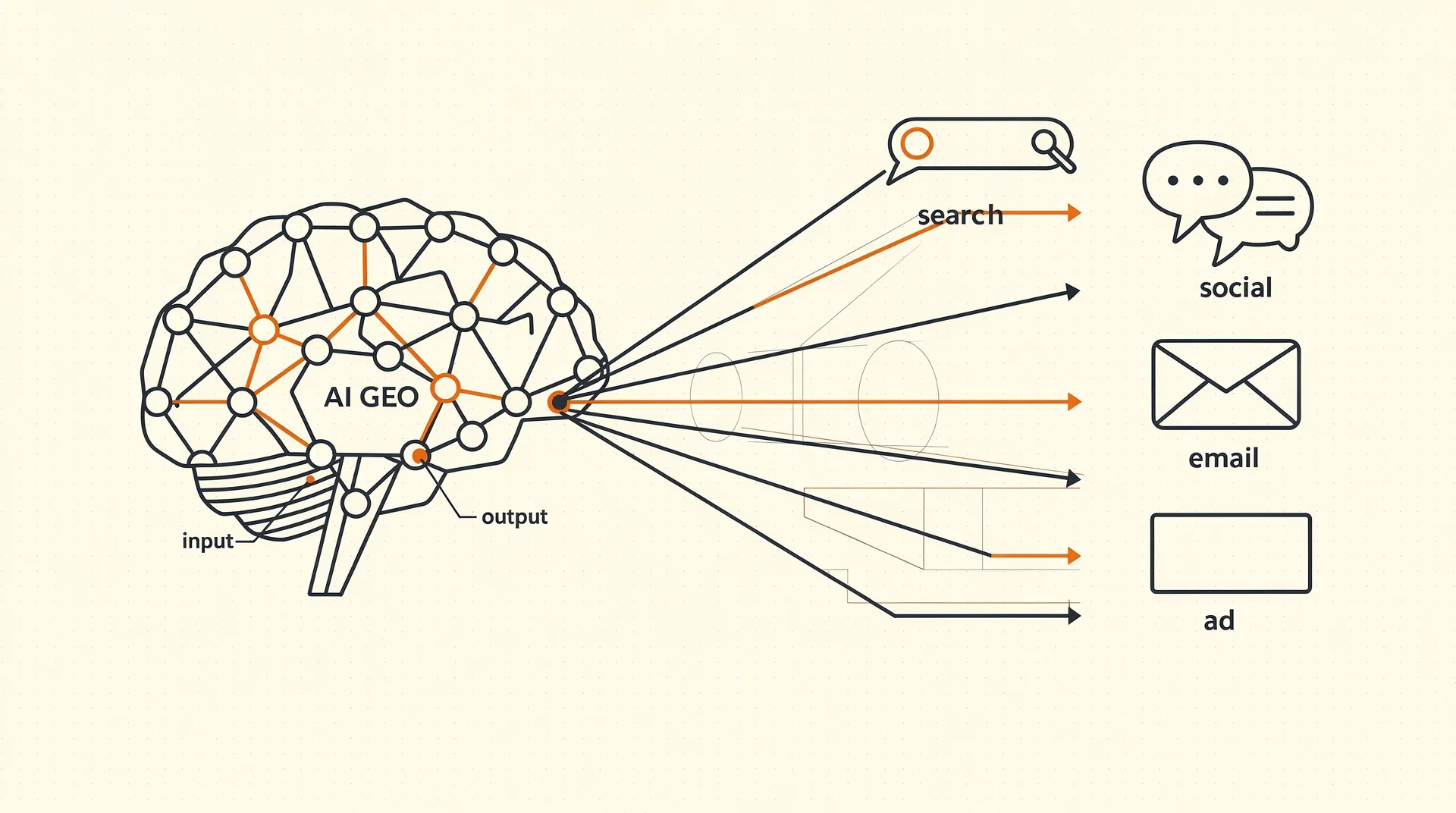
What Changed in GEO and why Marketers Must Care The practical move to make this week.
As AI adoption reshapes discovery, GEO redefines visibility. Learn the shift from SEO to AI-cited content and the single audit you need to run now.

AI Overviews Don’t Just Absorb Low-Value Clicks Google’s Click-Quality Defense Is Unproven Your Practical Move for This Week
New data exposes flaws in Google’s AI Overview narrative. Learn why the click drop isn’t just “bounce clicks,” how DMCA takedowns erase real pages, and why your llms.txt needs markdown links to survive agentic audits.
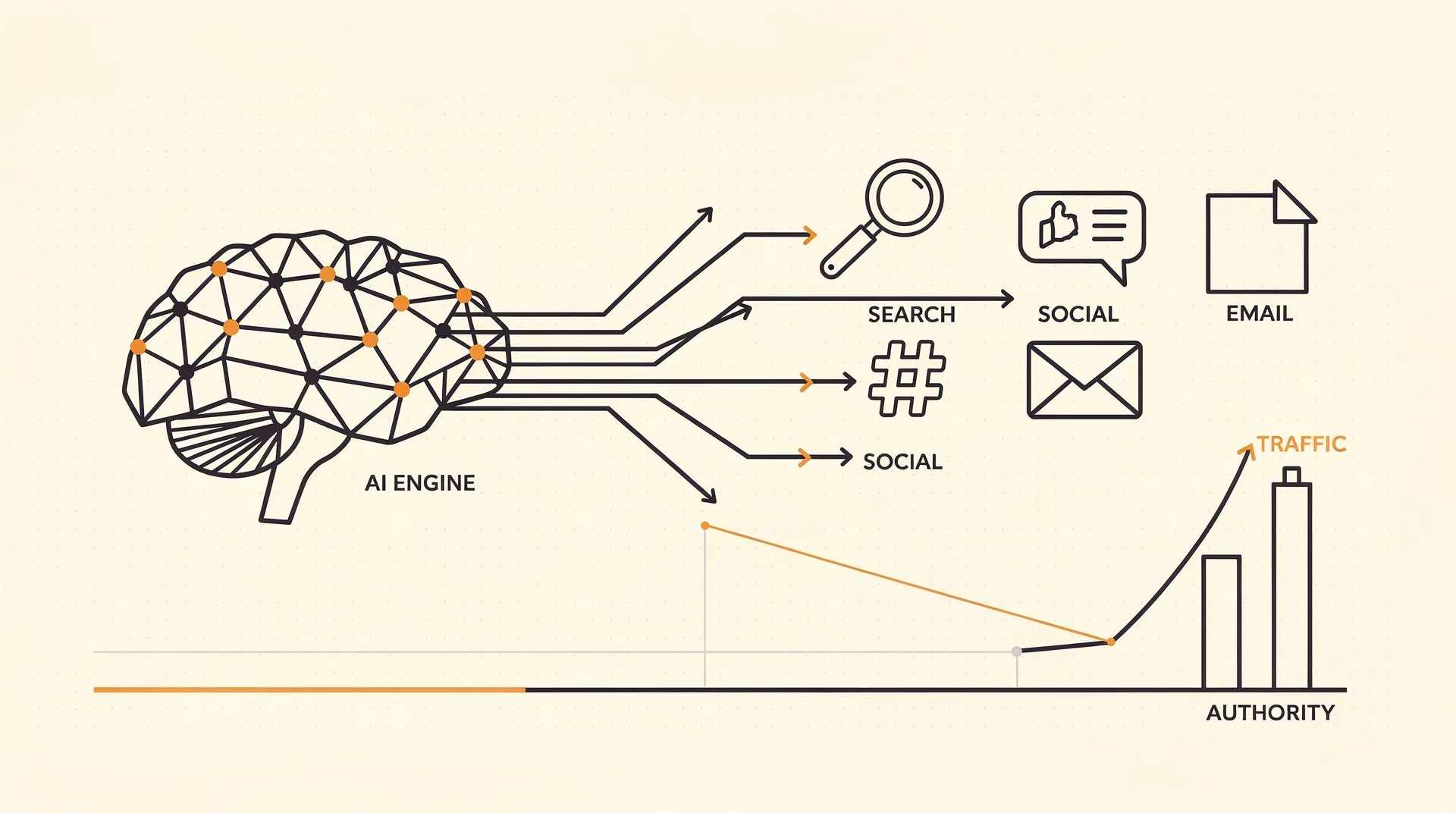
AI SEO has fundamentally rewritten the search playbook and marketers must pivot from traffic chasing to authority building here is the practical roadmap for the week.
With Cloudflare blocking AI crawlers and Google ending AMP cache, the era of passive traffic is dead. Learn how to structure authoritative content that AI engines actually cite.

What changed in GEO—and why marketers must act AI visibility now dictates purchase research The practical move to make this week
Generative AI has replaced traditional search as the primary research channel. Marketers must shift from SEO to GEO by optimizing for intent, authority, and machine-readable structure to ensure brands appear in AI-generated answers.
AI Search Has Rewritten the Rules and marketers must pivot from traffic to citation quality here's your actionable guide for this week
Since AI Overviews arrived, the game shifted from capturing clicks to earning citations. This primer explains how Google's new governance stance, the dangers of Reddit link-farming, and the power of personalization reshape the landscape—and what you must do now.
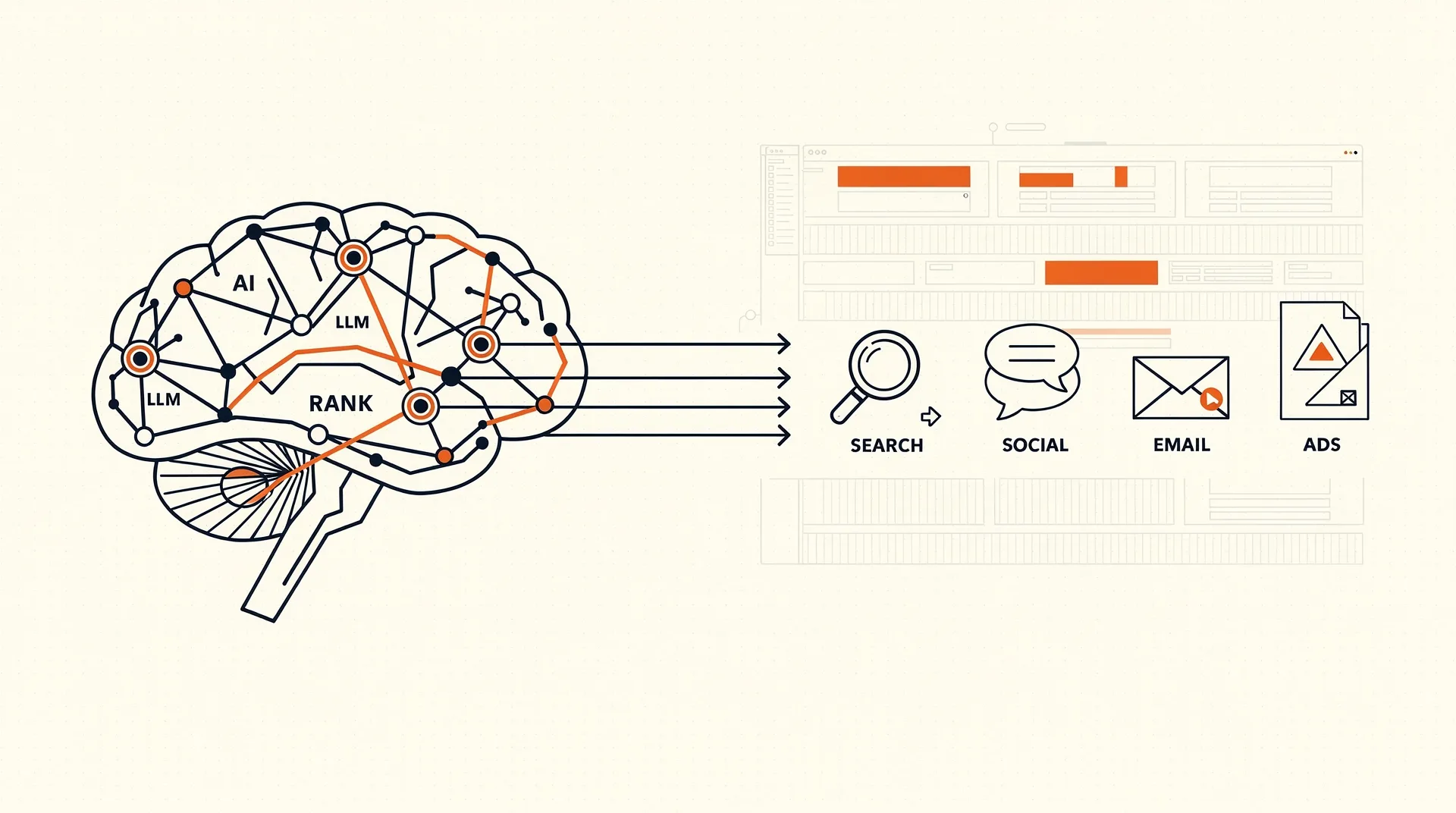
AI just rewrote the SEO playbook, and the line between optimization and spam is vanishing. Here is the practical move you must make this week.
From Google’s new spam enforcement targeting AI answers to the unification of search and agents, marketers face a redrawn landscape where "great content" is the only viable strategy. Learn the extractability tactics to survive AI-driven search.
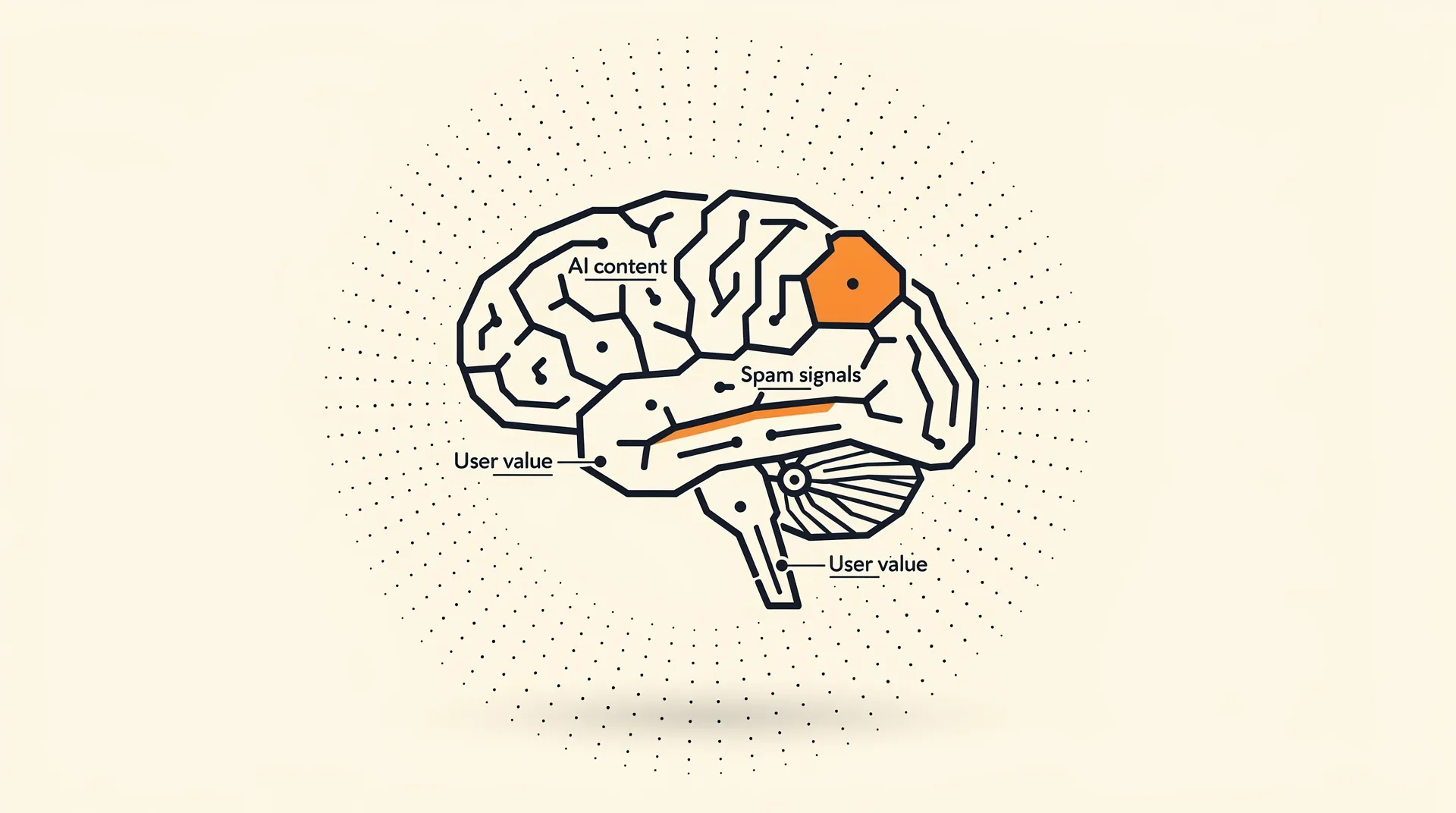
Google's latest spam update targets AI manipulation tactics What marketers need to know
Google's June 2026 spam update cracks down on AI manipulation tactics, affecting how marketers approach SEO and AI optimization
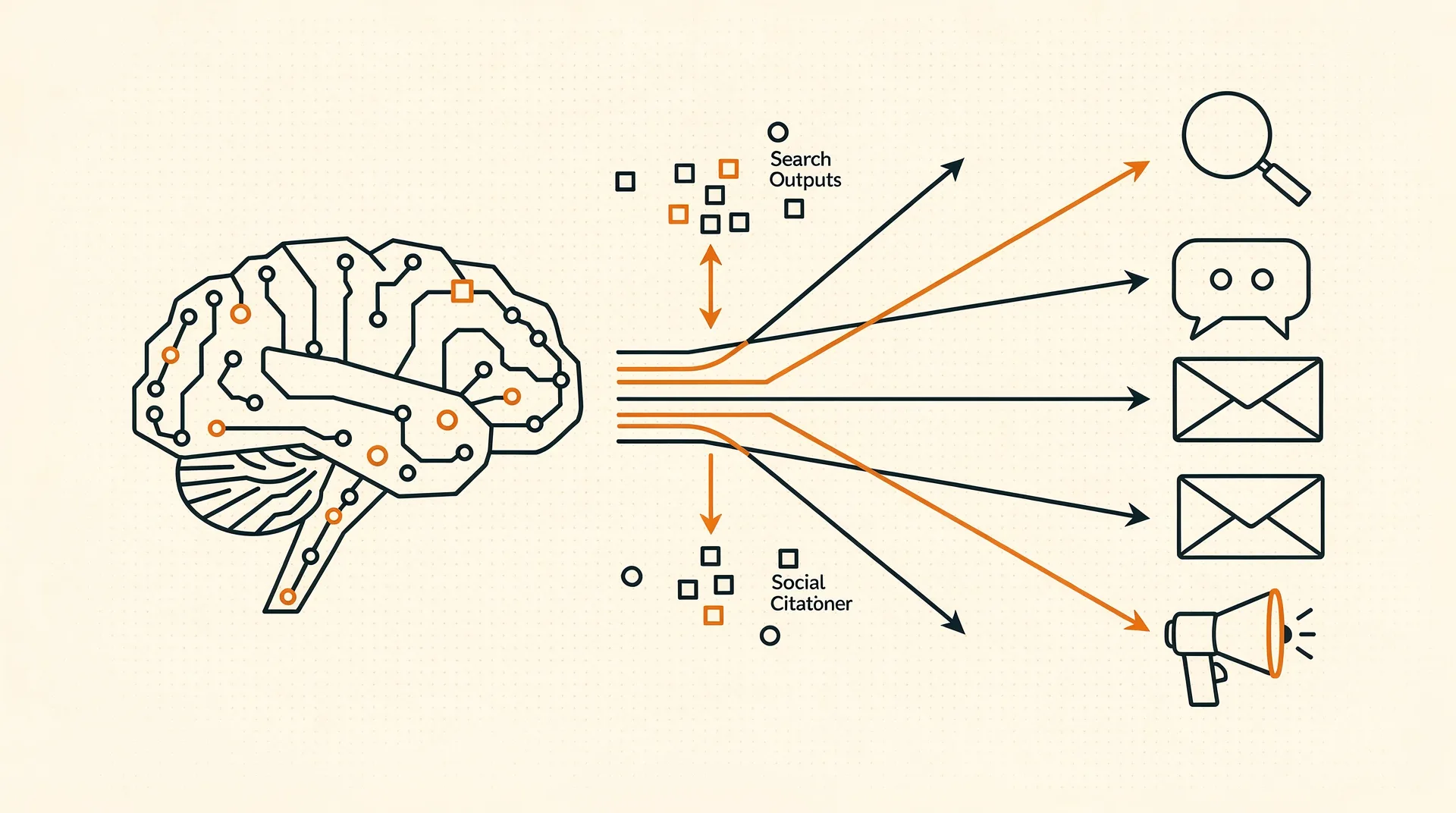
AI search broke the SEO playbook by flipping visibility from clicks to citations Here is your practical move for this week.
The value of AI search rarely shows as a click. Marketers must track brand recommendations, citation quality, and entity consistency instead of rankings and traffic.
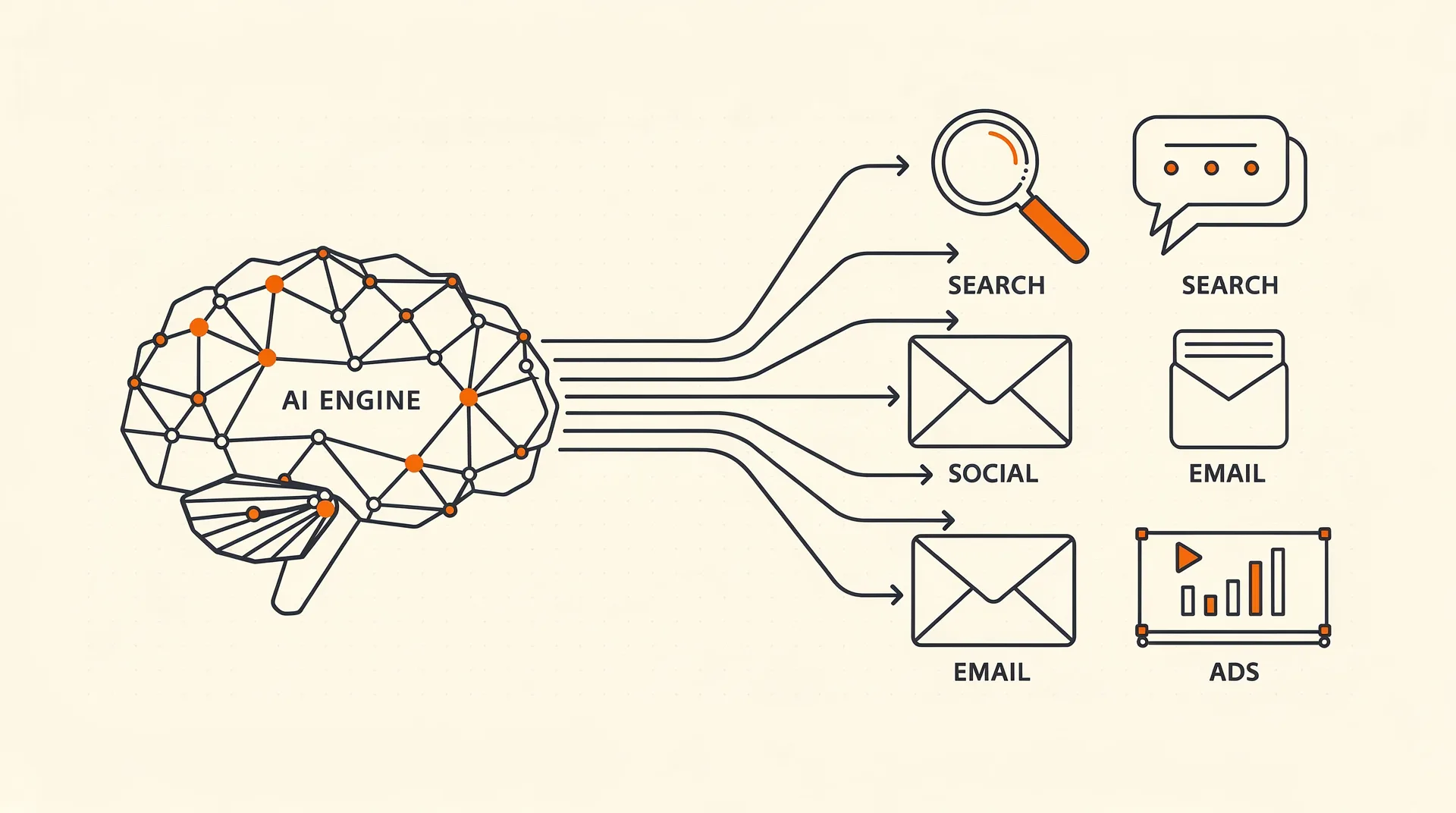
AI is no longer a side channel it’s the engine rewriting every workflow here’s one practical move you can make this week
A sharp editorial primer on how AI is reshaping marketing workflows, measurement, and brand presence—and the one move to test now.
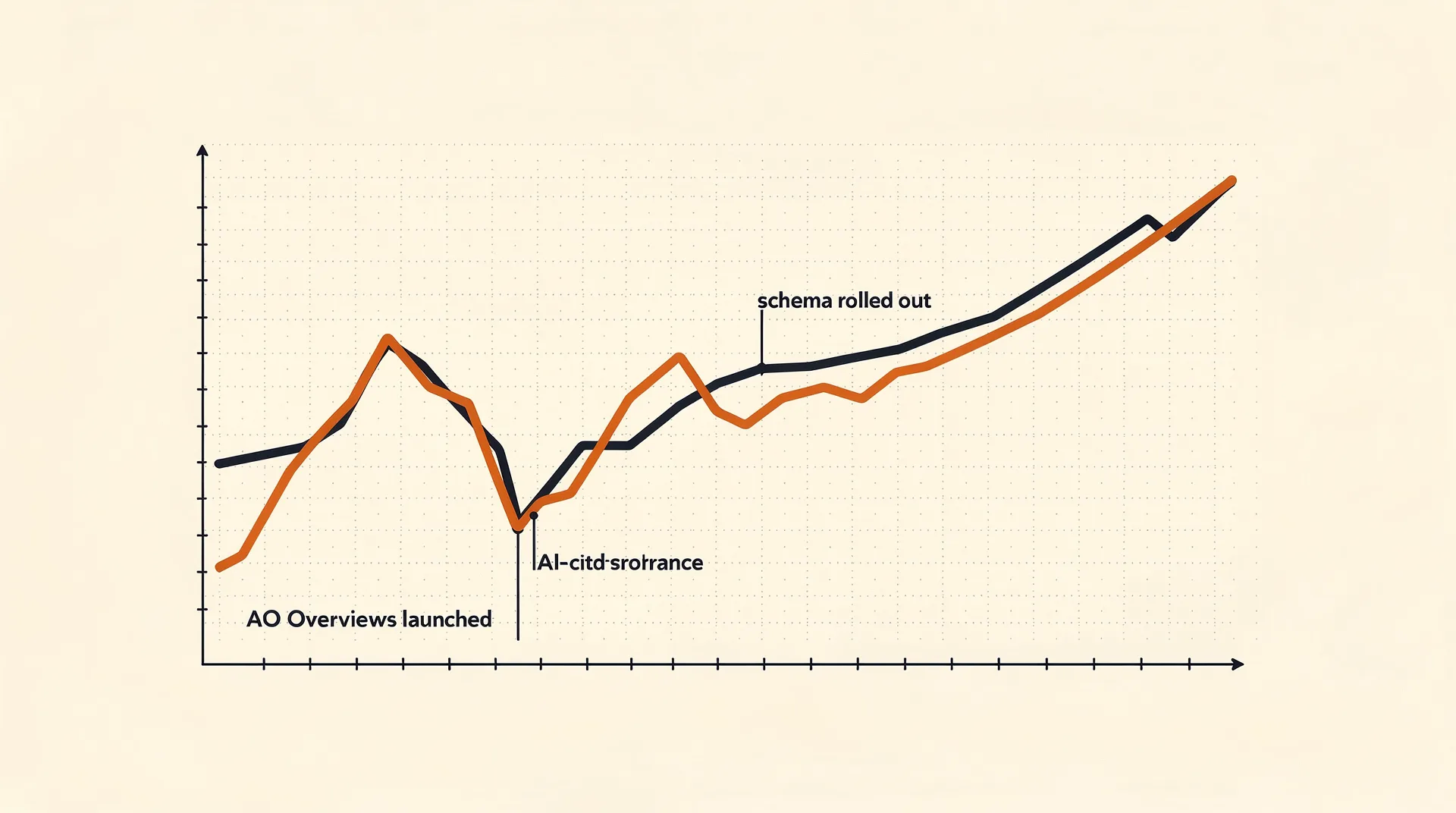
What Changed: From Search Engines to AI Agents The Death of the 2019 Content Framework Make Something Agents Want This Week
The distribution channel for your content has shifted from human-mediated search to AI agents. Old frameworks fail; new agent-ready infrastructure is the only path forward.
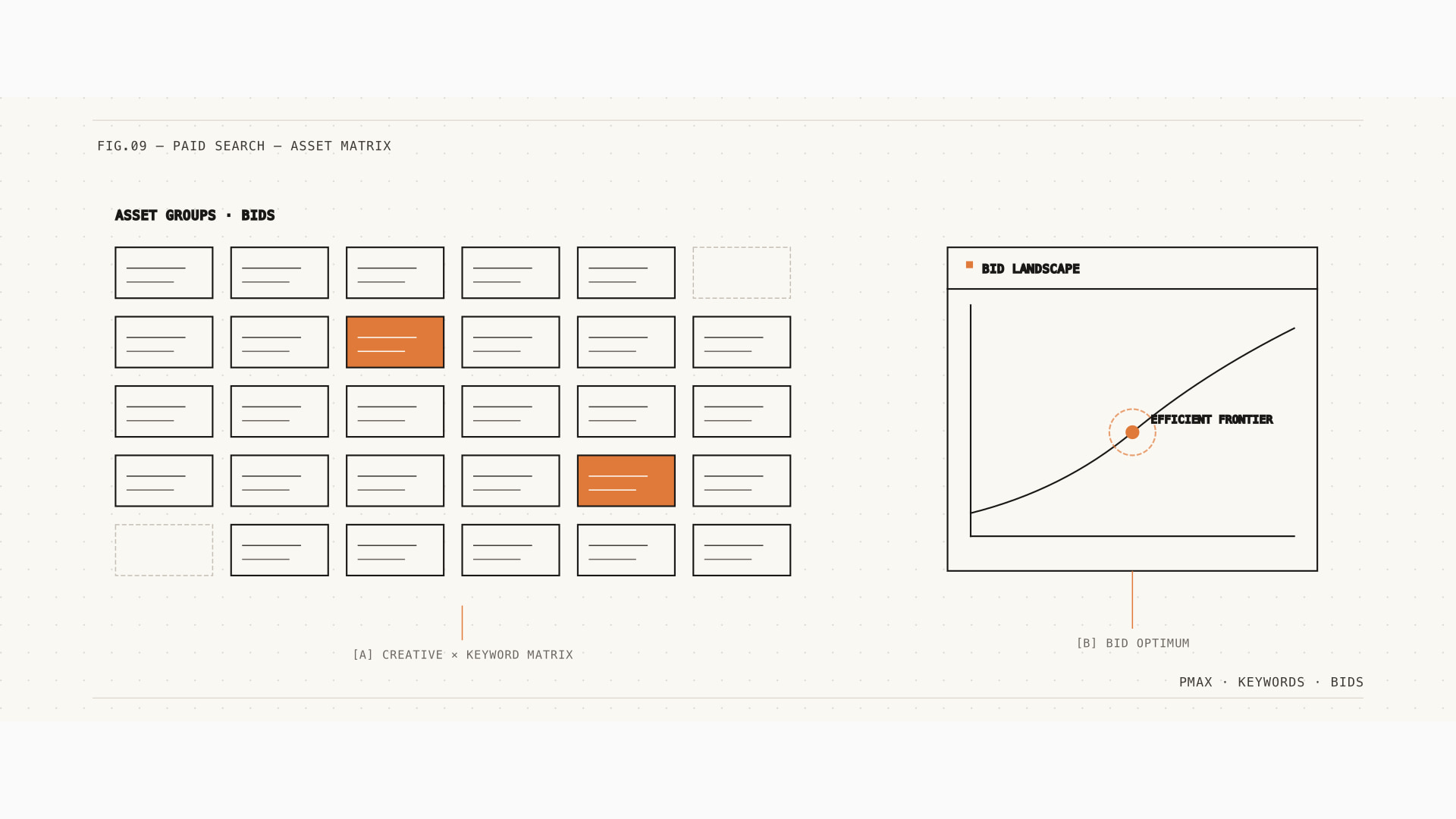
AI engine ads vs Google Ads — where the dollar performs.
ChatGPT, Copilot, AI Overviews, X — four AI engines now sell ad inventory. How they compare to Google Ads on CPM, CPC, conversion rate, and where to send each dollar in 2026.
ChatGPT Ads CPM + CPC benchmarks — June 2026.
Live performance data from active ChatGPT Ads retainer clients. CPM trajectory since Feb 2026 launch, CPC ranges by category, cost-per-conversion benchmarks for DTC and B2B.
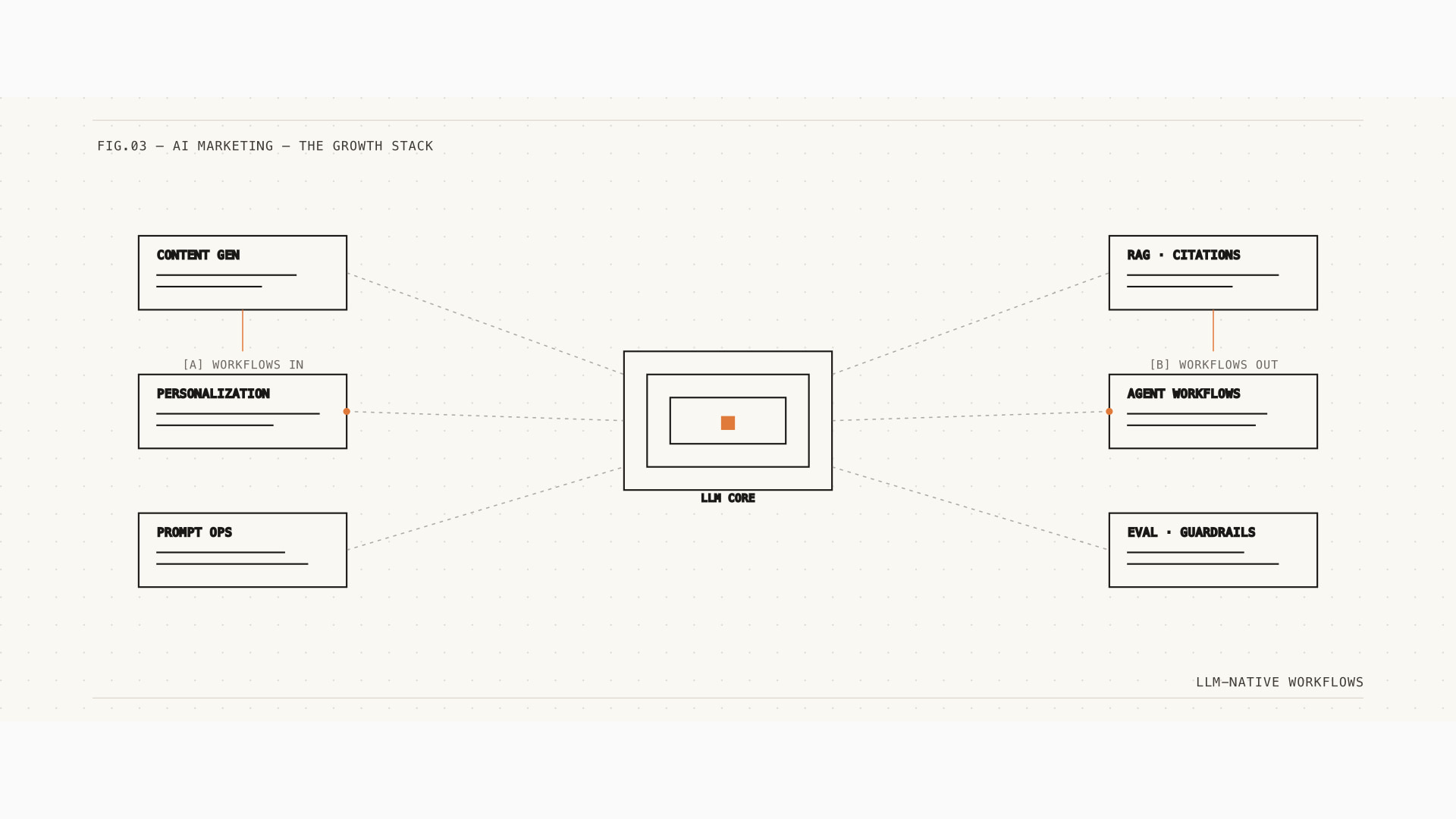
ChatGPT Ads. The complete 2026 operator's playbook.
What ChatGPT Ads actually is, how the auction works, what CPMs and CPCs look like after the May 2026 self-serve launch, and the 7-day onboarding playbook we run for new advertisers.
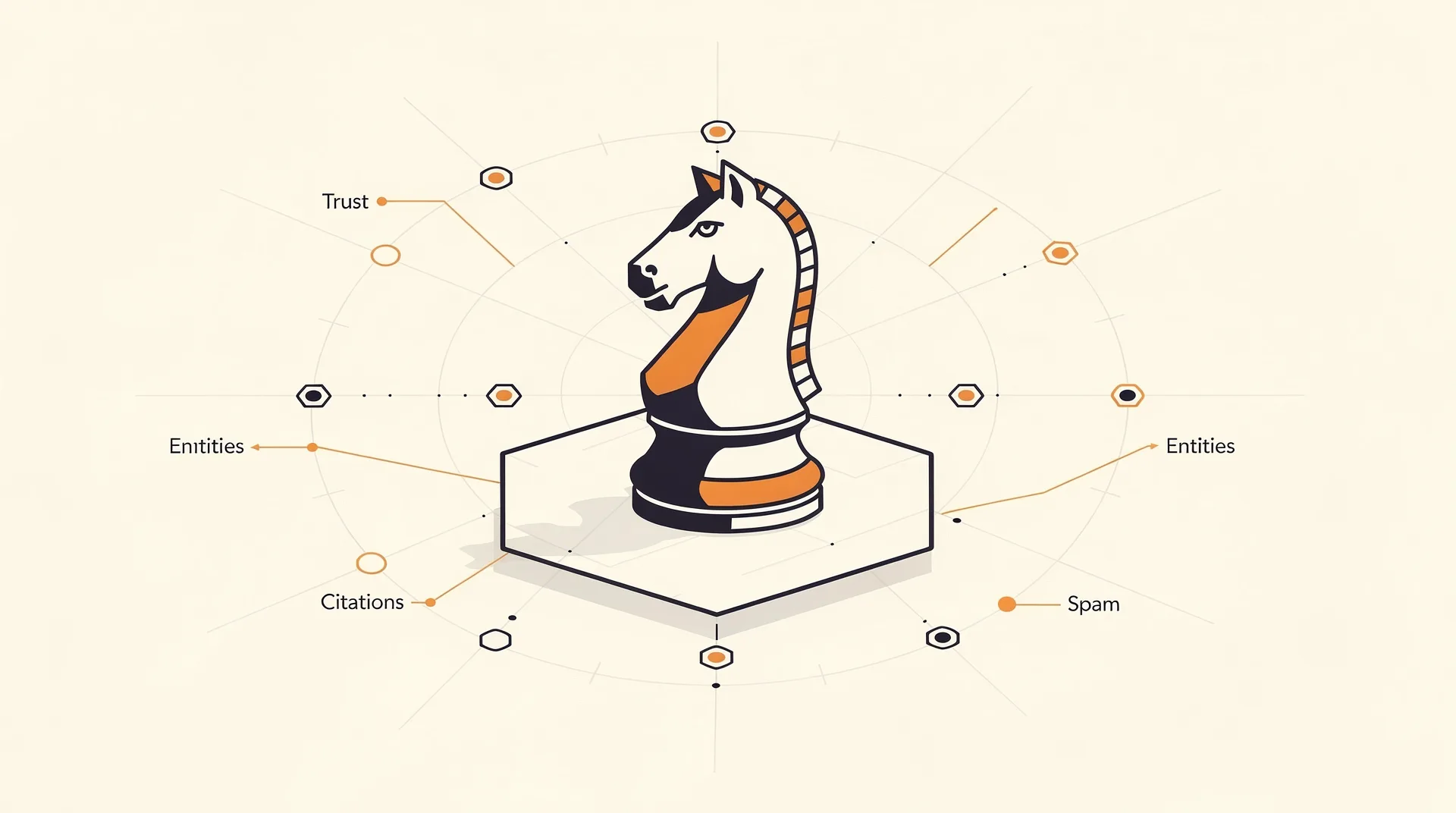
AI SEO just changed because Google and Bing are measuring trust, citation, and spam differently Here’s the move to make this week.
AI search now rewards clearer entities, stronger trust signals, and better measurement. Here’s what changed and the practical move to make now.
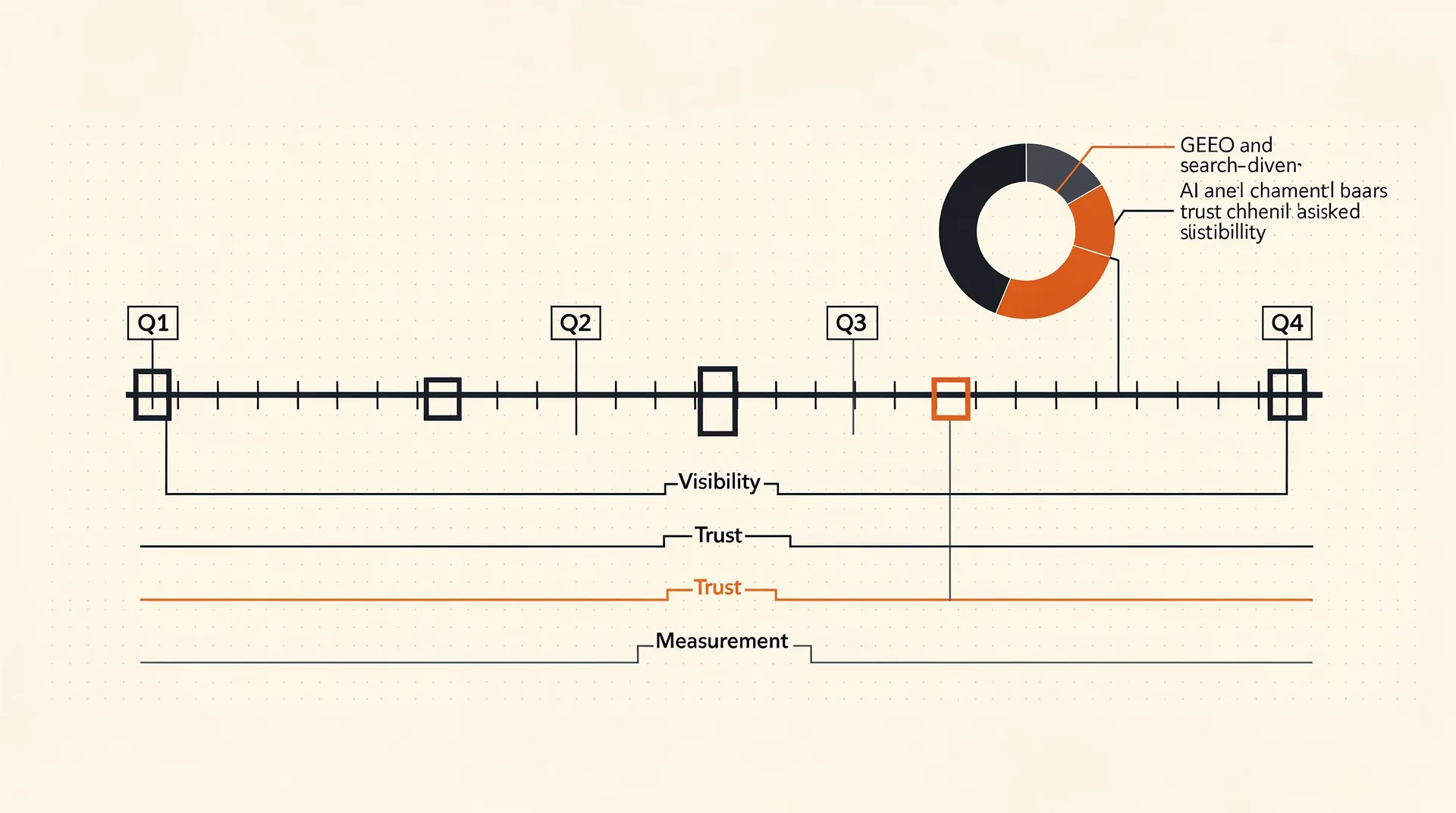
What changed in GEO and why marketers should care A practical primer for AI search teams
AI search is moving from visibility to trust, leakage, and measurement. Here’s the strategic shift and the move to make this week.
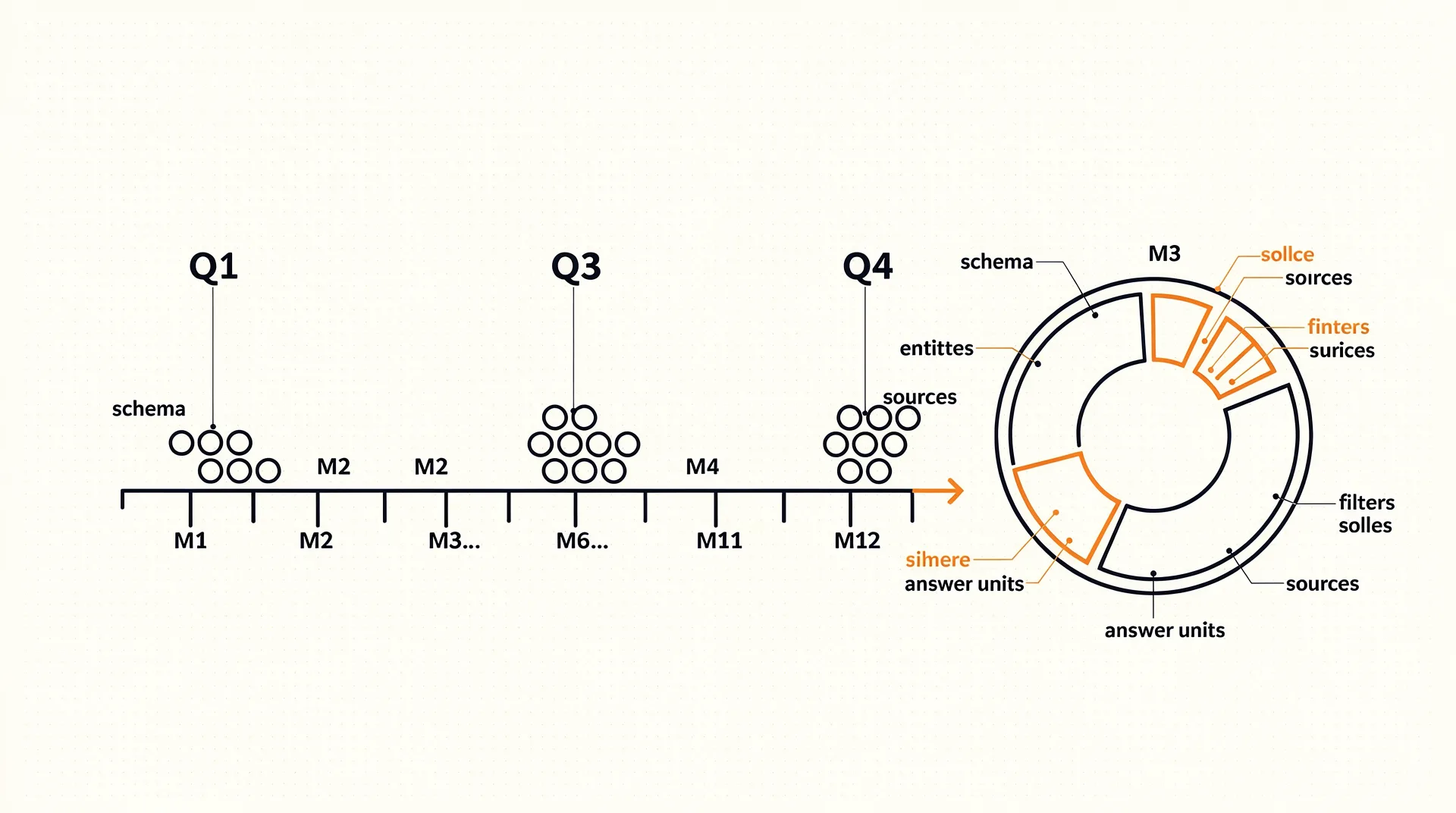
AI SEO changed because search is now answer engines, citation systems, and synthetic content filters What marketers need to do this week.
AI SEO has moved from rankings to machine-readable authority. Here’s what changed, why it matters, and the one move to make now.
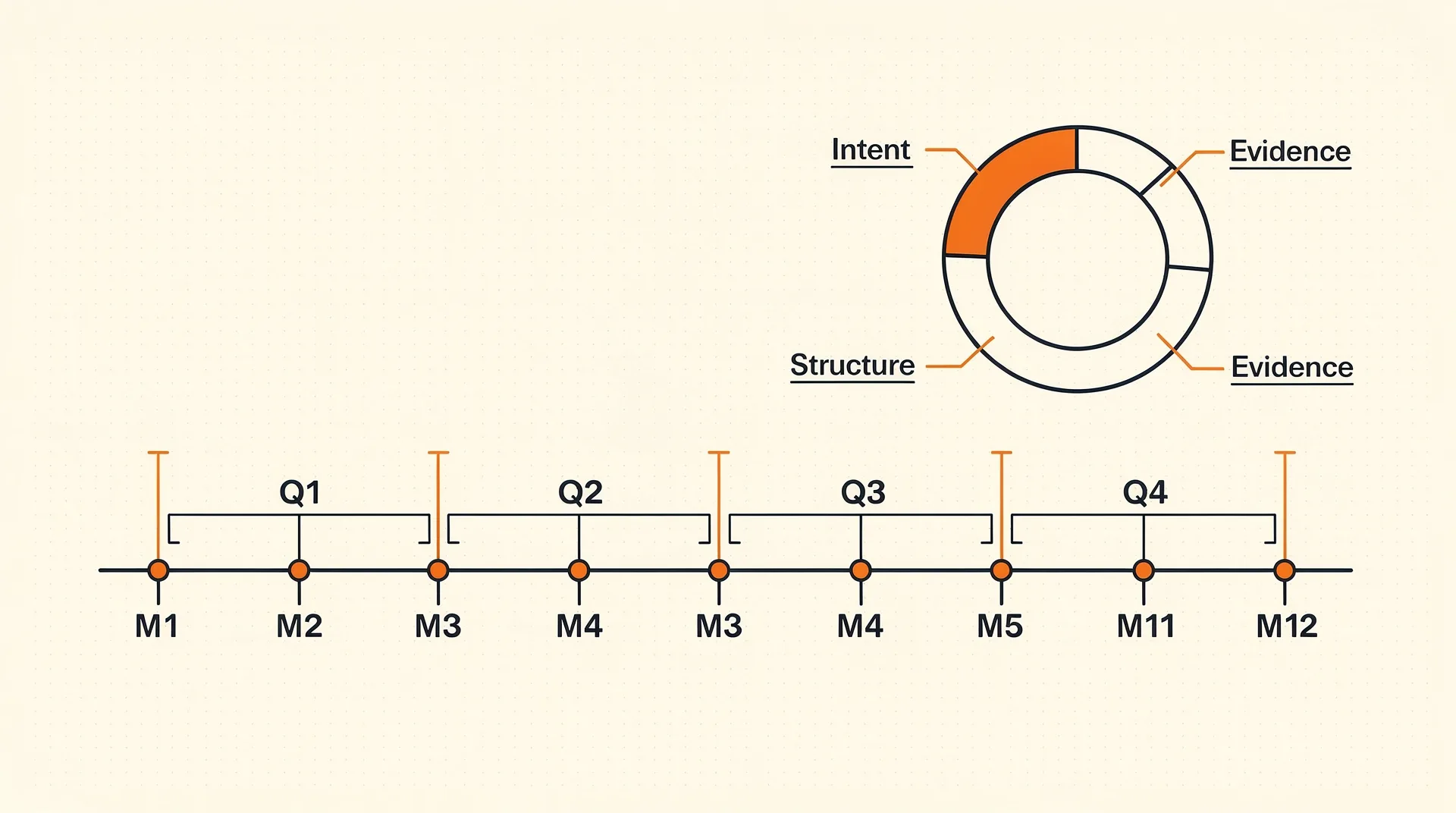
AI SEO changed when prompts stopped behaving like keywords Here’s the playbook for this week.
AI search is less about exact-match keywords and more about intent, structure, and evidence. Here’s the practical move for marketers.

AI marketing has moved from pilots to proof and the channel mix is shifting with it.
AI marketing is entering a value-and-distribution phase. Here is what changed, why it matters, and the one move to make now.

AI marketing changed when readiness signals started beating lead volume Here’s the move to make this week.
The next AI marketing advantage is not more leads. It is better signal quality, tighter orchestration, and faster action on in-market accounts.
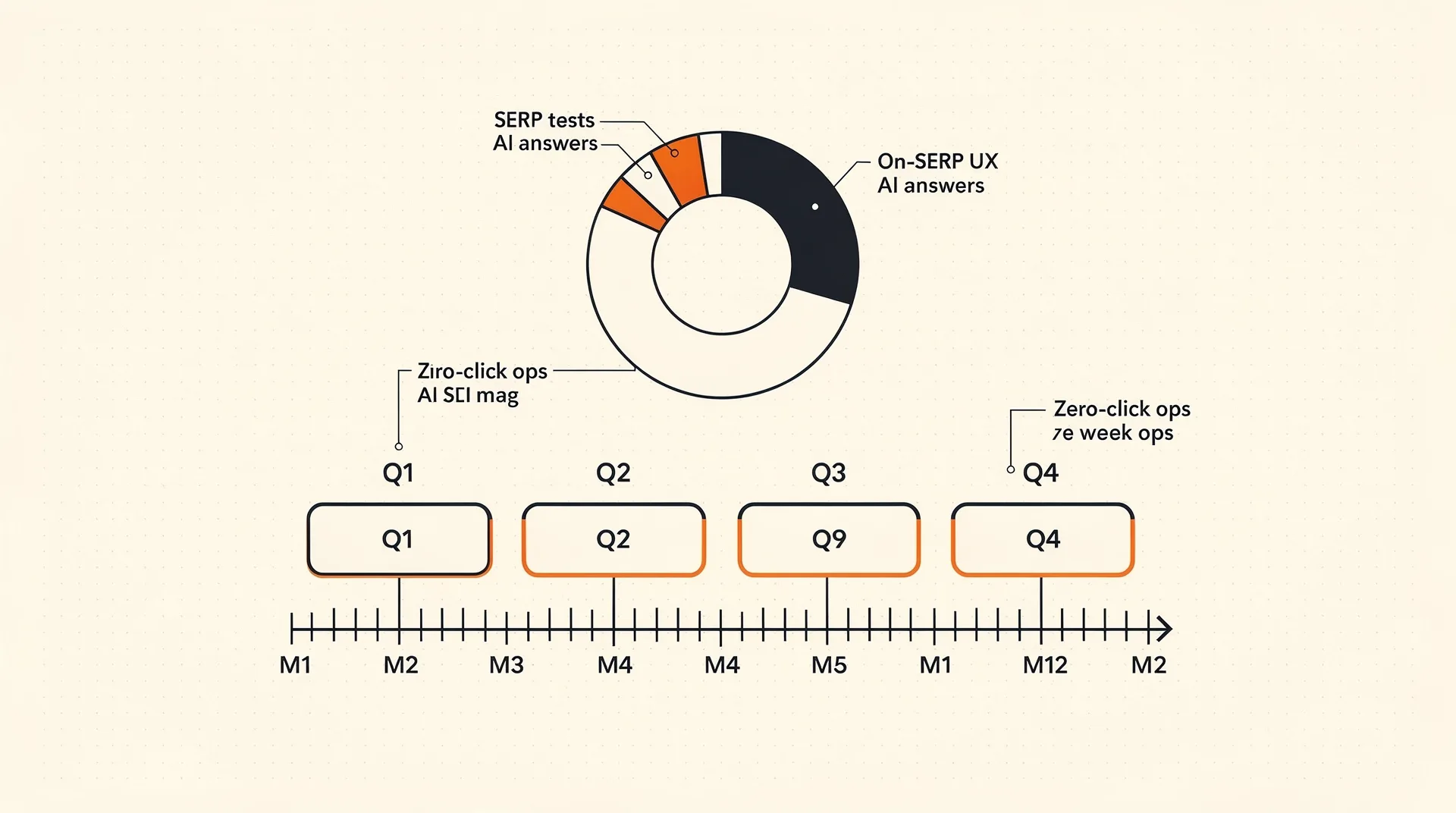
AI SEO just crossed a new threshold: search is sending fewer clicks to the open web and more of the work now happens before the visit.
Google search is producing fewer open-web clicks and more zero-click or follow-up behavior. Here’s what marketers should change this week.
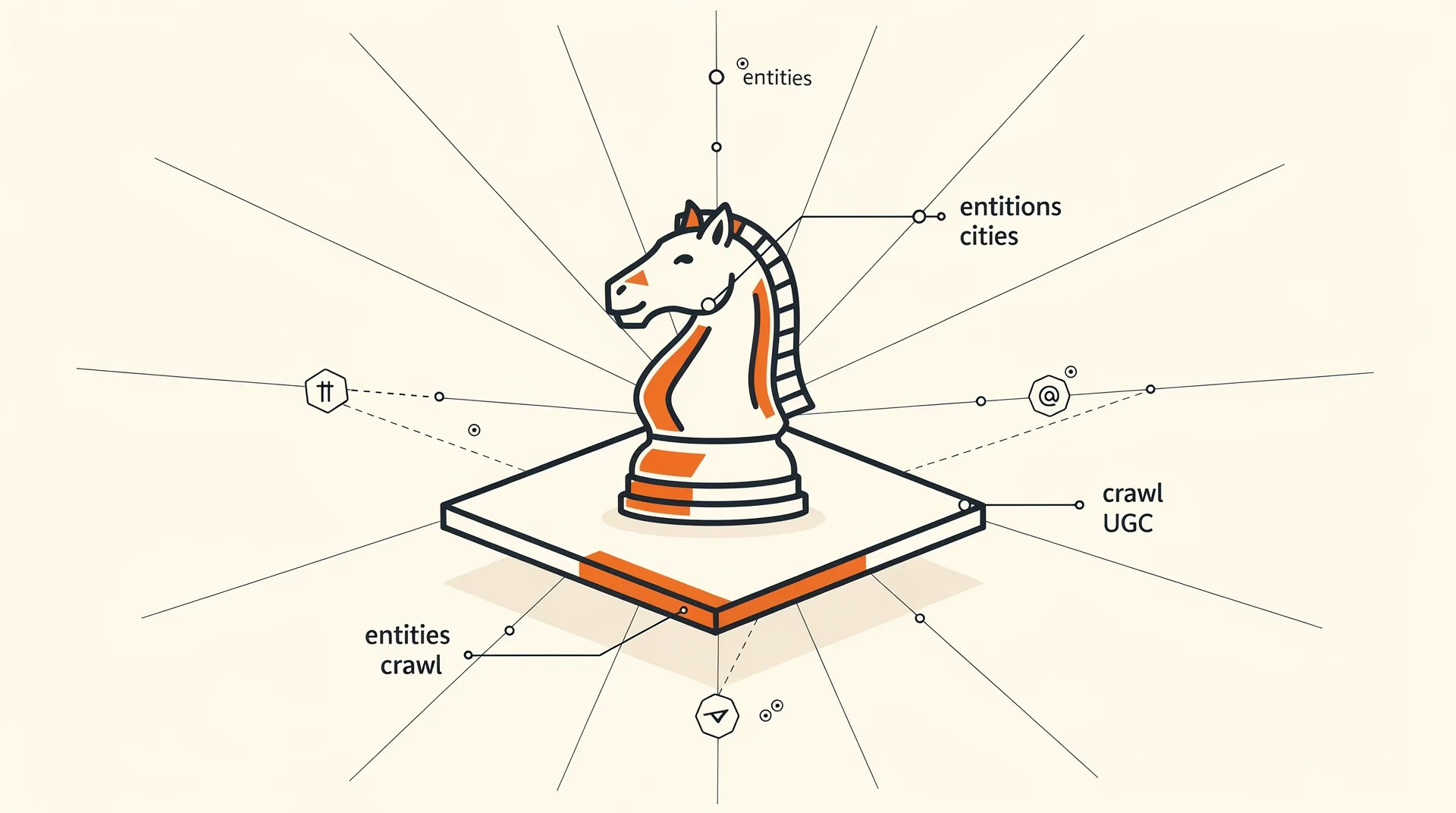
AI SEO just shifted toward entities, citations, and crawl control here’s the playbook for marketers.
Publishers are tightening bot access while Google keeps elevating UGC. Here’s what changed, why it matters, and the next move.
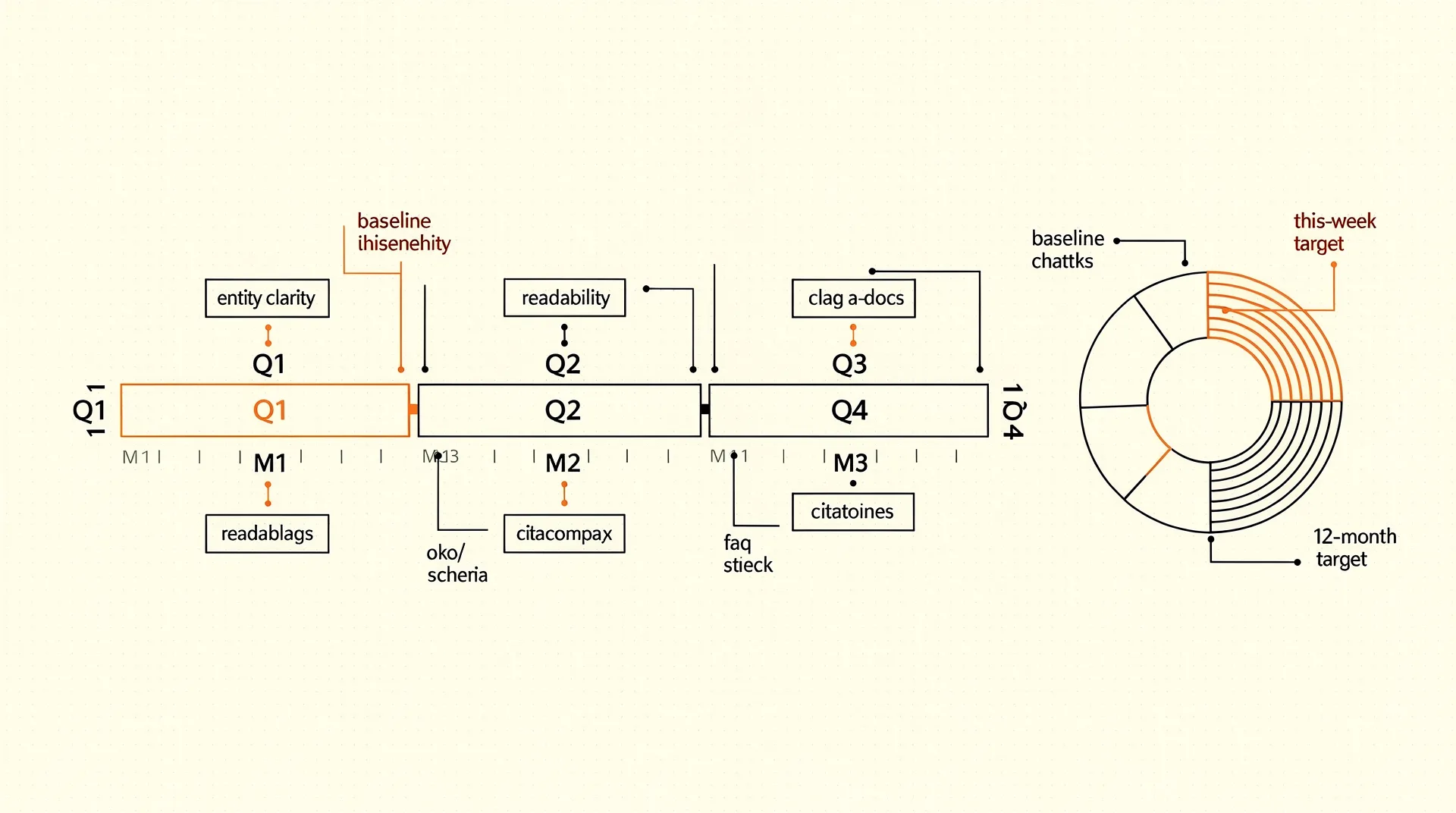
AI SEO changed from keywords to judgment, authority, and extractability here’s the move to make this week
AI search now rewards content that is readable, citeable, and entity-clear. Here’s what changed and the fastest fix to make this week.
AI SEO just shifted from keyword matching to entity clarity, agent context, and consent controls Here’s what marketers need to do this week.
Google, AI agents, and Search Console just changed the operating model. The new advantage is clarity, proof, and control.
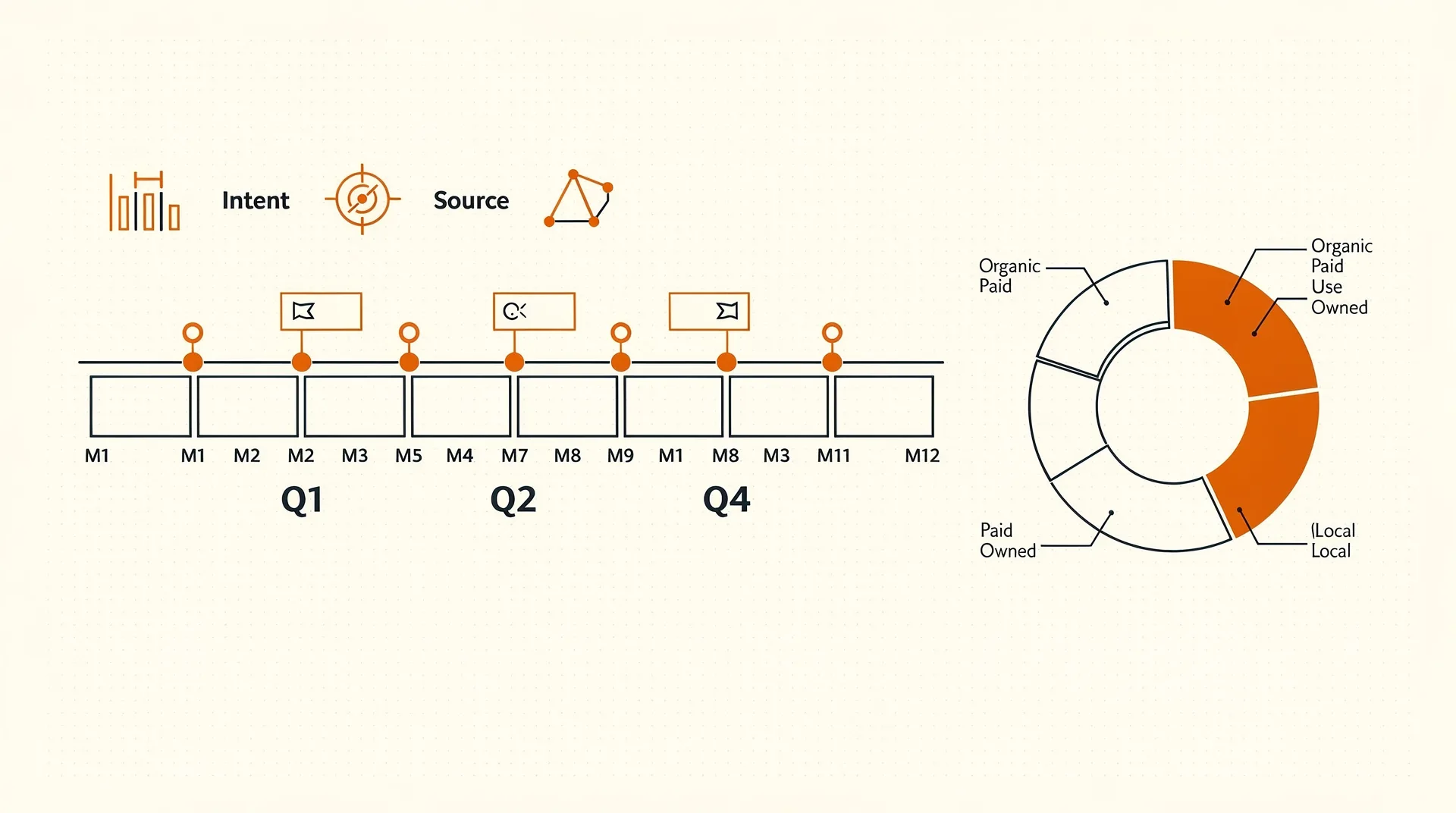
AI SEO just got a clearer signal: match intent, source type, and market or lose visibility
Google’s latest updates reinforce a simple rule: relevance now means format, source, and locale fit—not just authority or keywords.
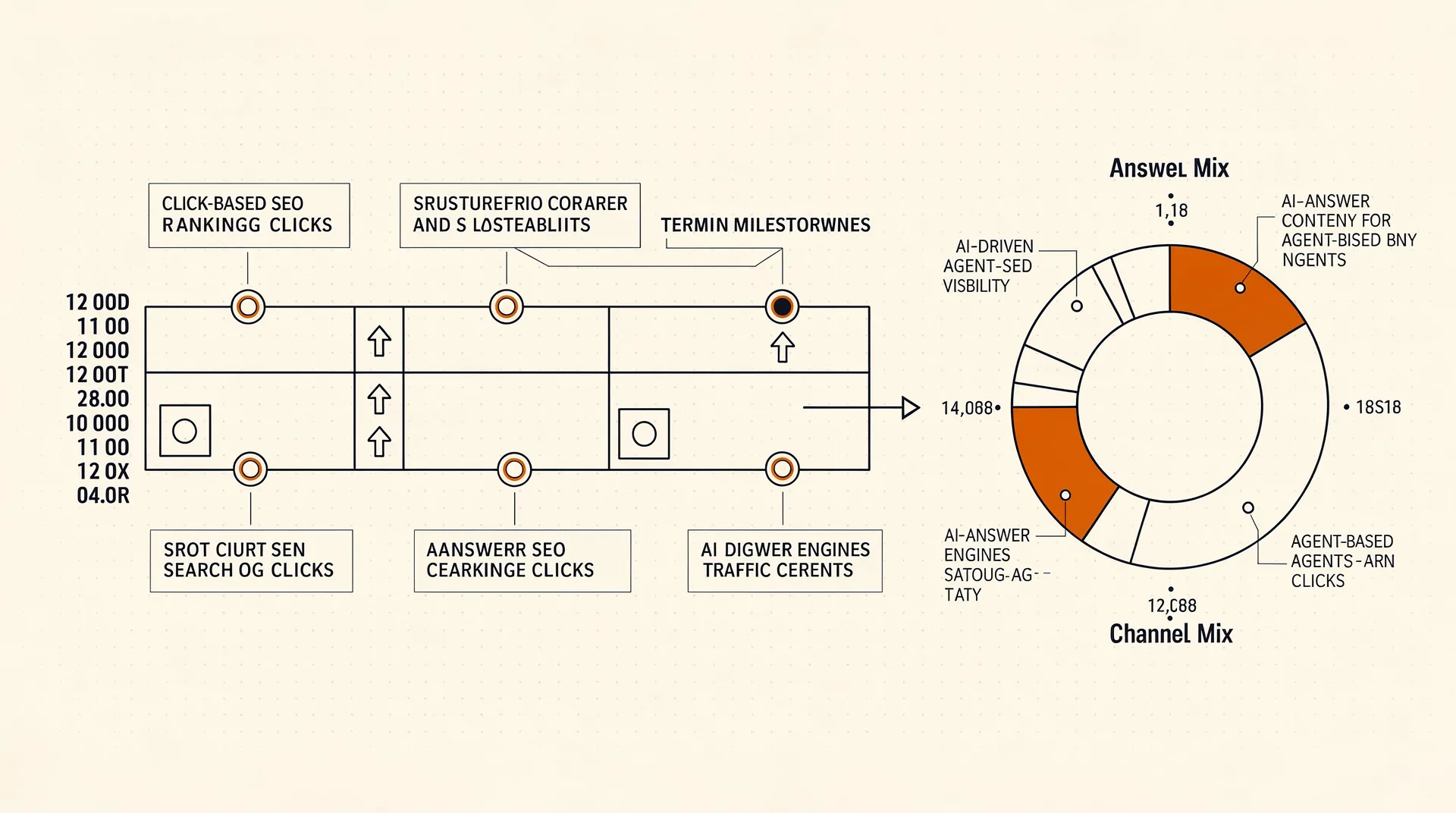
AI SEO changed from ranking for clicks to earning visibility inside answers and agents Here’s the move to make this week.
Search is shifting toward answer engines and agentic traffic. Marketers need content that can be read, cited, and acted on.
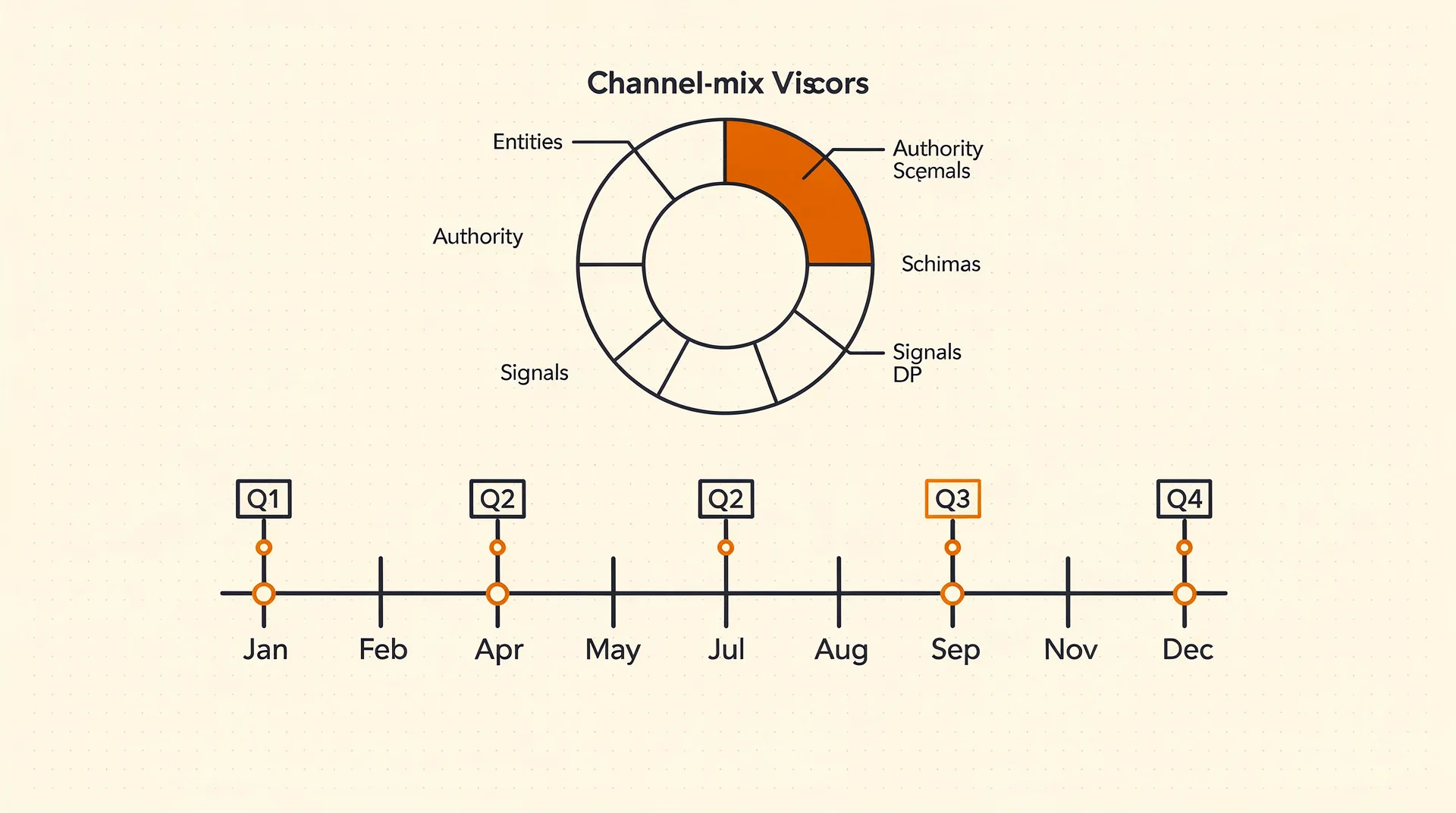
AI SEO changed when search stopped rewarding pages alone and started rewarding structured, trustworthy systems
A sharp primer on AI SEO in 2026: search is more entity- and trust-led, so marketers need structured content, authority signals, and a weekly fix.
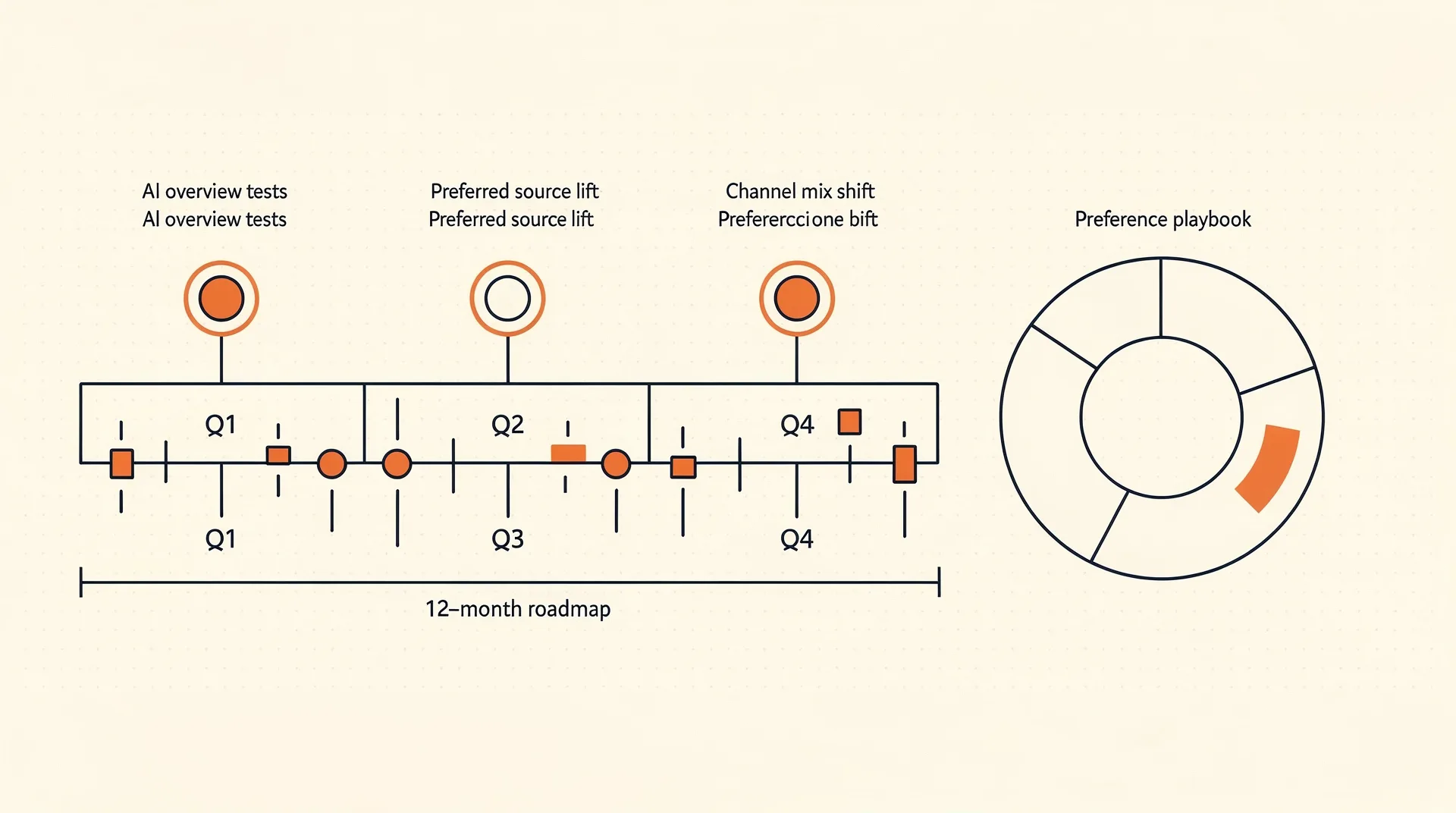
AI search changed again, and marketers need a new visibility playbook This week’s move is simple: earn preference, not just rankings.
Google expanded Preferred Sources into AI Overviews and AI Mode. Here’s why that shifts SEO from ranking to reader preference.
AI search just changed the SERP contract What marketers should do this week.
AI Overviews are reshaping visibility, especially for commercial queries. Here’s what changed, why it matters, and the move to make now.

AI SEO changed when search started choosing for the user This is the week to update your content system.
A sharp primer on how AI search shifts SEO from keywords to intent, trust, and source selection — and what to do this week.
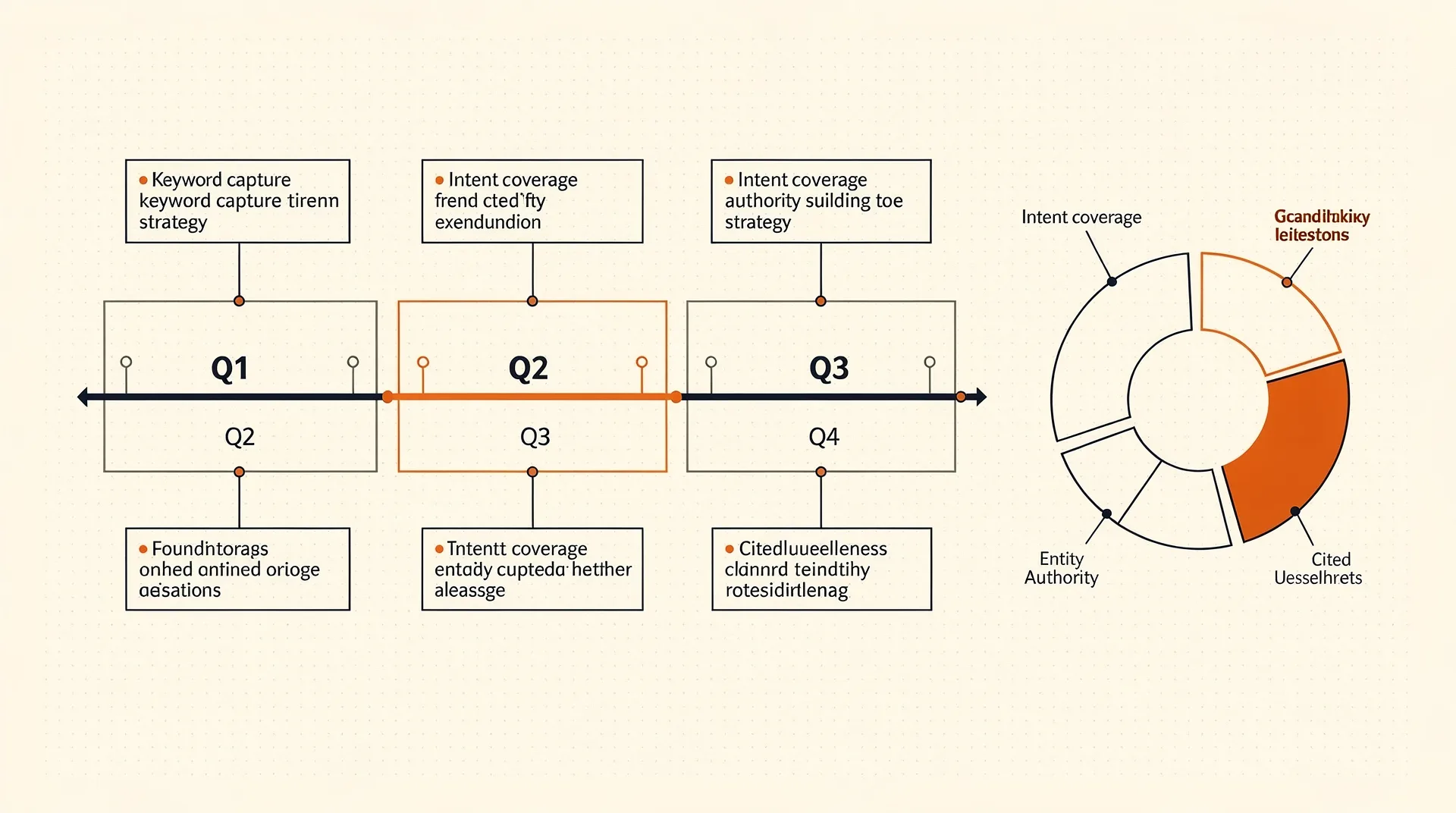
AI SEO changed from keyword capture to intent, entities, and citations Here’s the move to make this week
AI search now rewards intent coverage, entity authority, and cited usefulness. The practical move: refresh one core page this week.

AI SEO changed when search stopped being a single blue-link game here’s the move that matters this week
Search is now cross-checking entities, claims, and content quality across surfaces. Here’s the practical AI SEO reset.

AI SEO changed because search itself changed Here is what marketers should do this week.
Google is shifting the search experience while insisting SEO fundamentals still matter. The practical move is to optimize for clarity, entities, and useful depth.
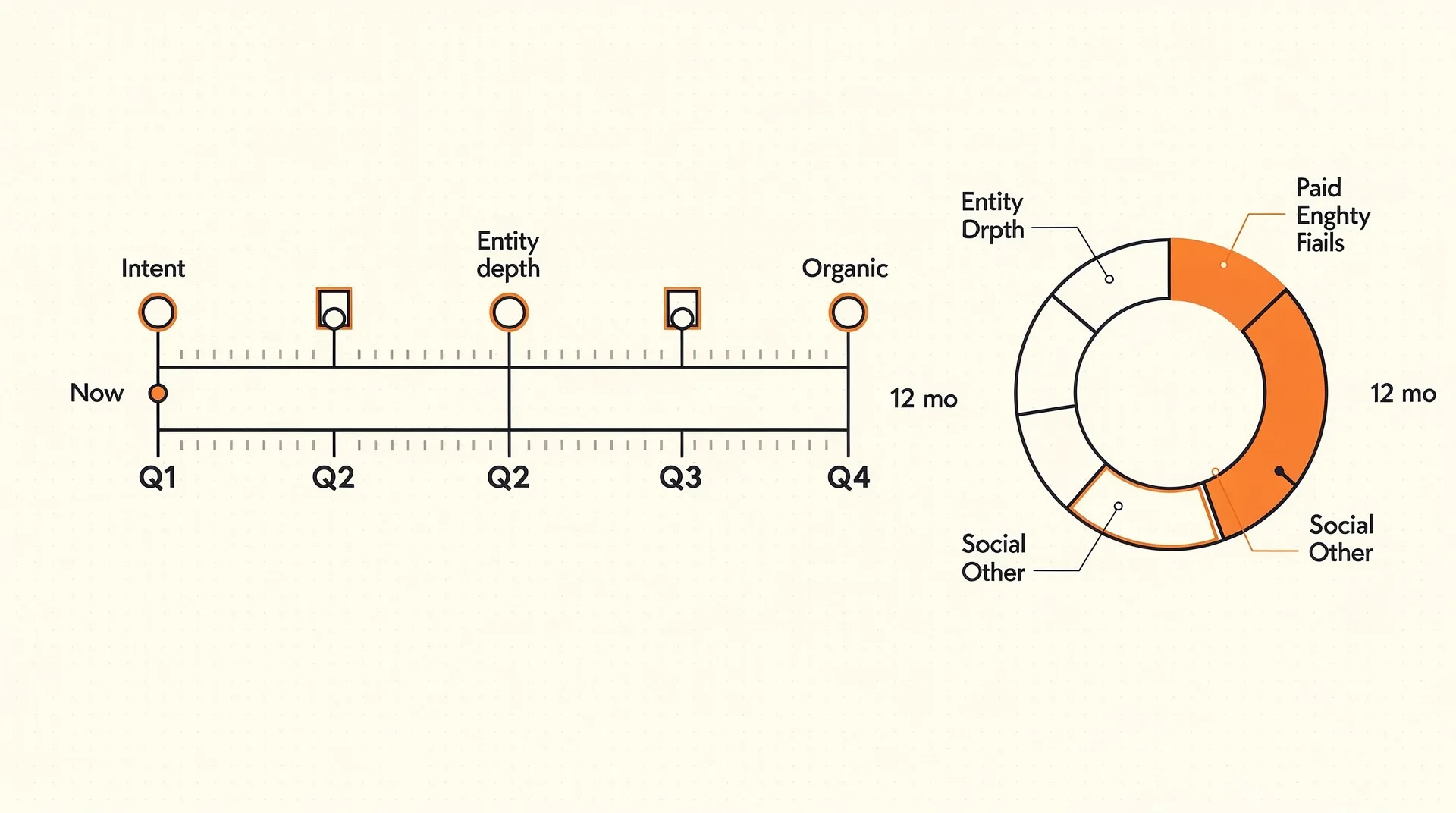
AI SEO changed because search stopped rewarding keyword-only thinking here is the move marketers should make this week
AI search rewards intent, entity depth, and original proof. Here is the practical shift marketers should make now.
AI SEO changed when search became conversational, multimodal, and agentic Here’s the move to make this week.
Google’s search UI, AI Mode, and YouTube discovery are shifting how visibility works. Here’s the practical response for marketers.
AI SEO just changed what marketers measure Start with one clean reporting move this week.
Google’s latest updates make AI assistant traffic, agent fetches, and generative visibility easier to spot. Here’s the practical move to make now.
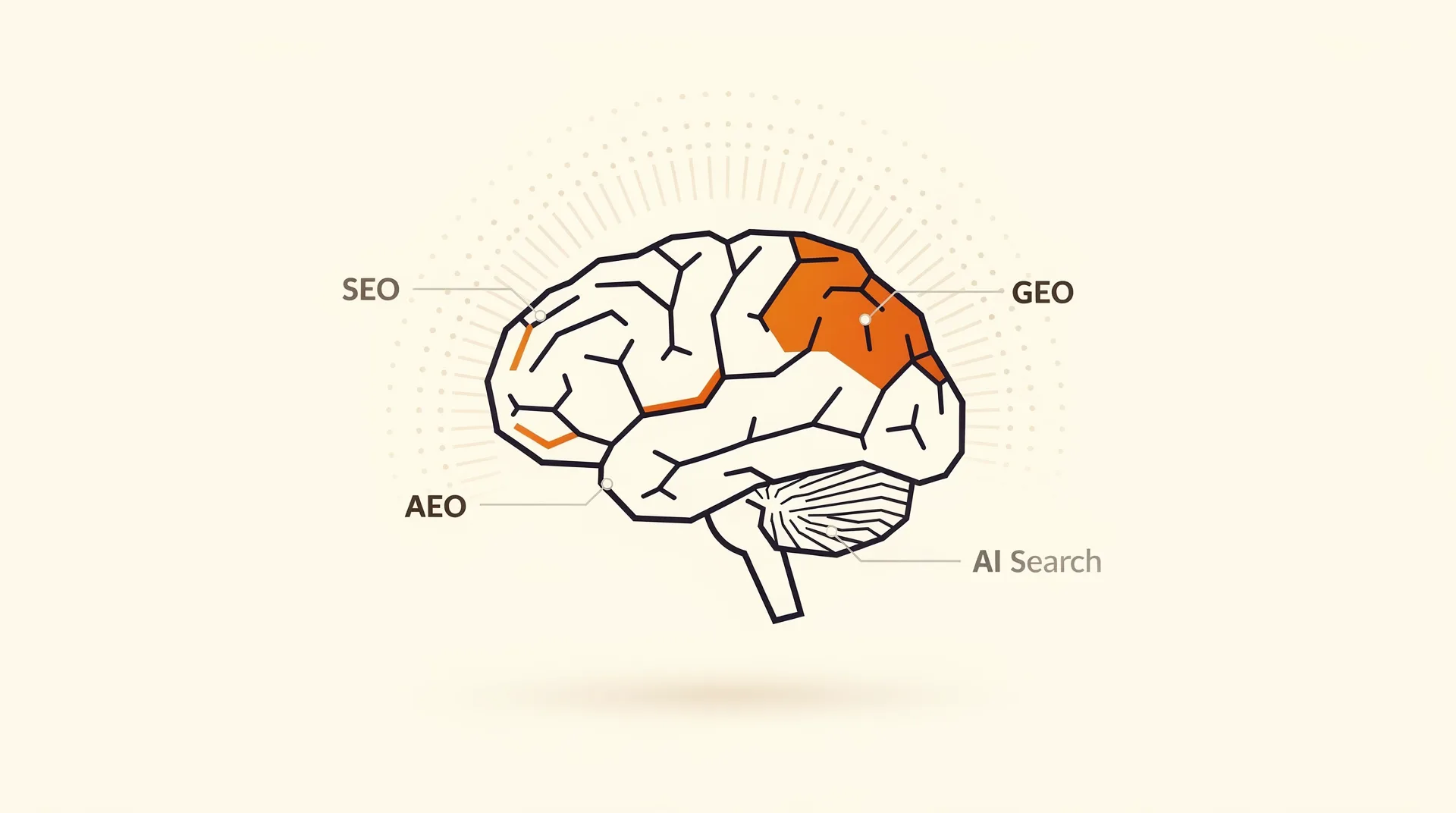
Google recently clarified its stance on AI search optimization redefining AEO and GEO as still SEO what this means for marketers and their next move
Google's latest documentation on generative AI features in Search simplifies the optimization process, but what does this mean for marketers, and how should they adjust their strategies?
Marketers are losing control of their brand's visibility in AI search treating AI visibility as one problem when it's actually three
Treating AI visibility as one problem when it's actually three structurally different layers can lead to wasted budget and missed quarters. Here's what marketers need to know.

Google quietly changed how AI search terms are reported and that matters for AI SEO.
Google now says some AI-powered search experiences may report inferred intent, not exact queries. Here’s what marketers should do this week.
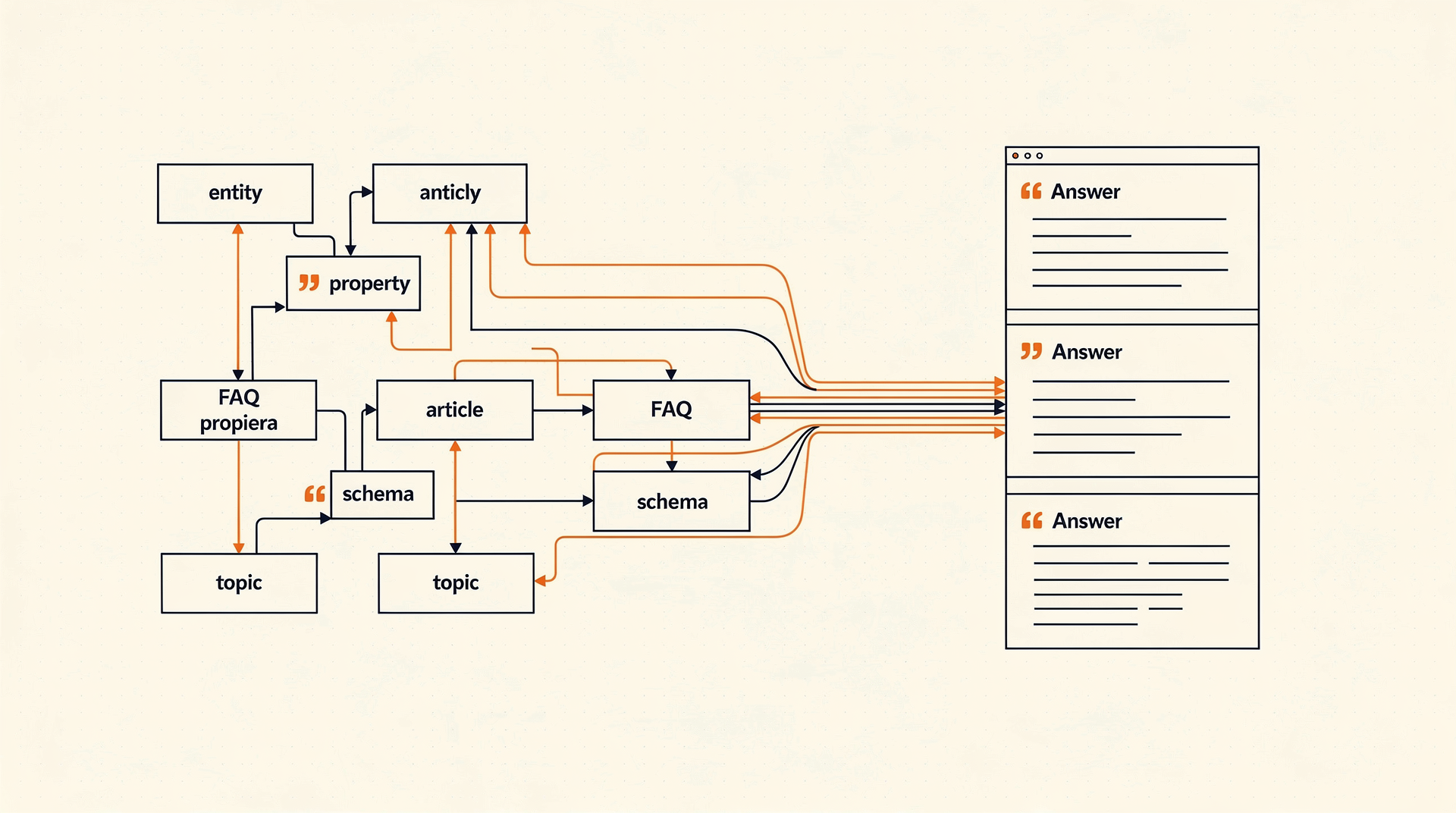
AI rewrote the SEO playbook from keywords to structured authority Build your first AI-ready page this week
AI search demands semantically rich, machine-readable content over keyword stuffing. Synthesize expert tactics from structured data to topic clusters for visibility in overviews and LLMs.
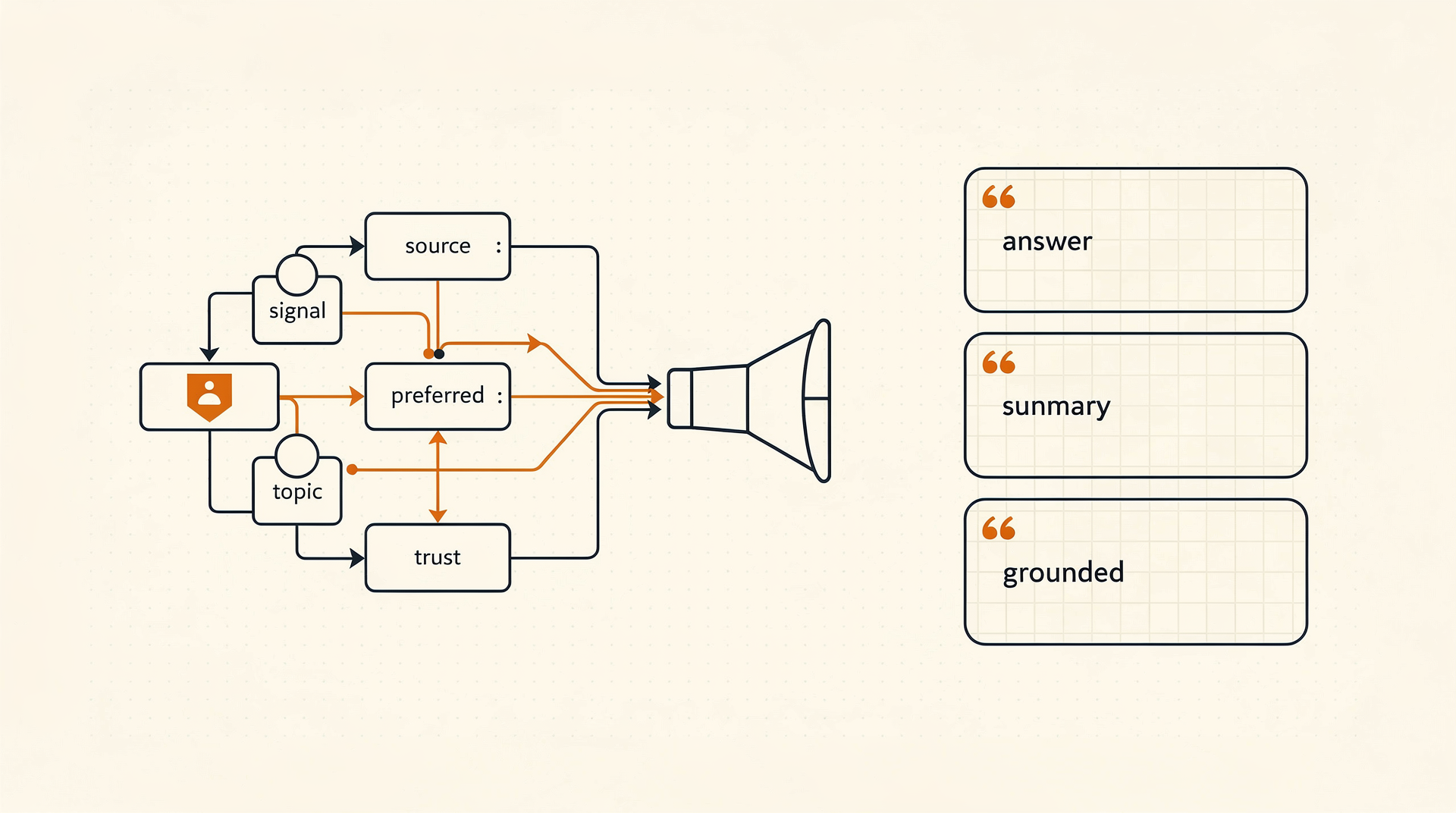
Google rolled out Preferred Sources letting users boost trusted sites in Top Stories results.
Google's new user-driven Preferred Sources feature overrides low-quality signals in Top Stories. Here's why it matters for AI SEO and your immediate action plan amid Bing's grounding revelations.
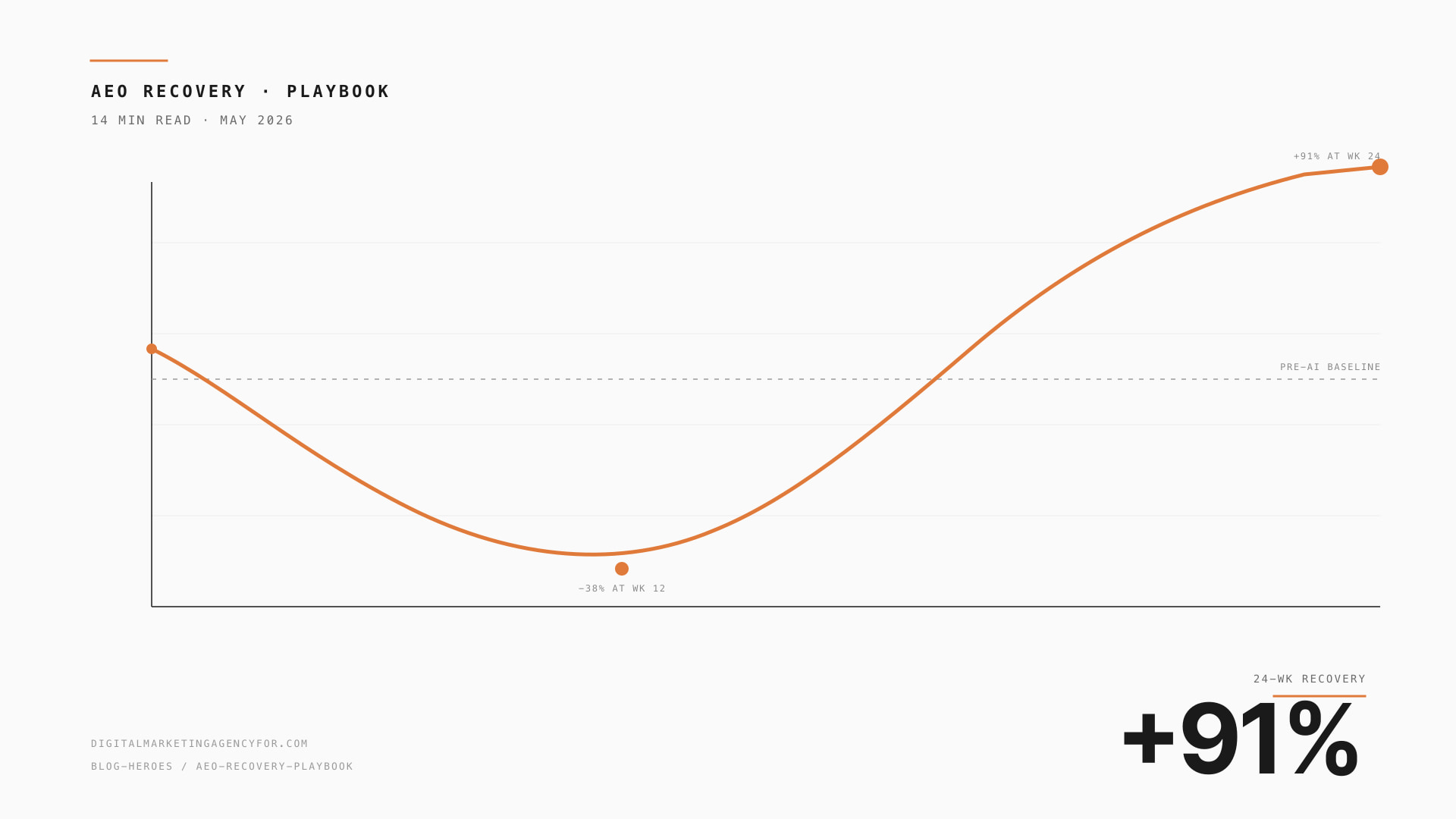
We lost 38% of organic clicks to AI Overviews. Here's the recovery playbook.
A 4-week recovery sprint that earned ChatGPT + Perplexity citations on 14 of 20 priority commercial queries — and recovered traffic past pre-AI-Overview baseline.
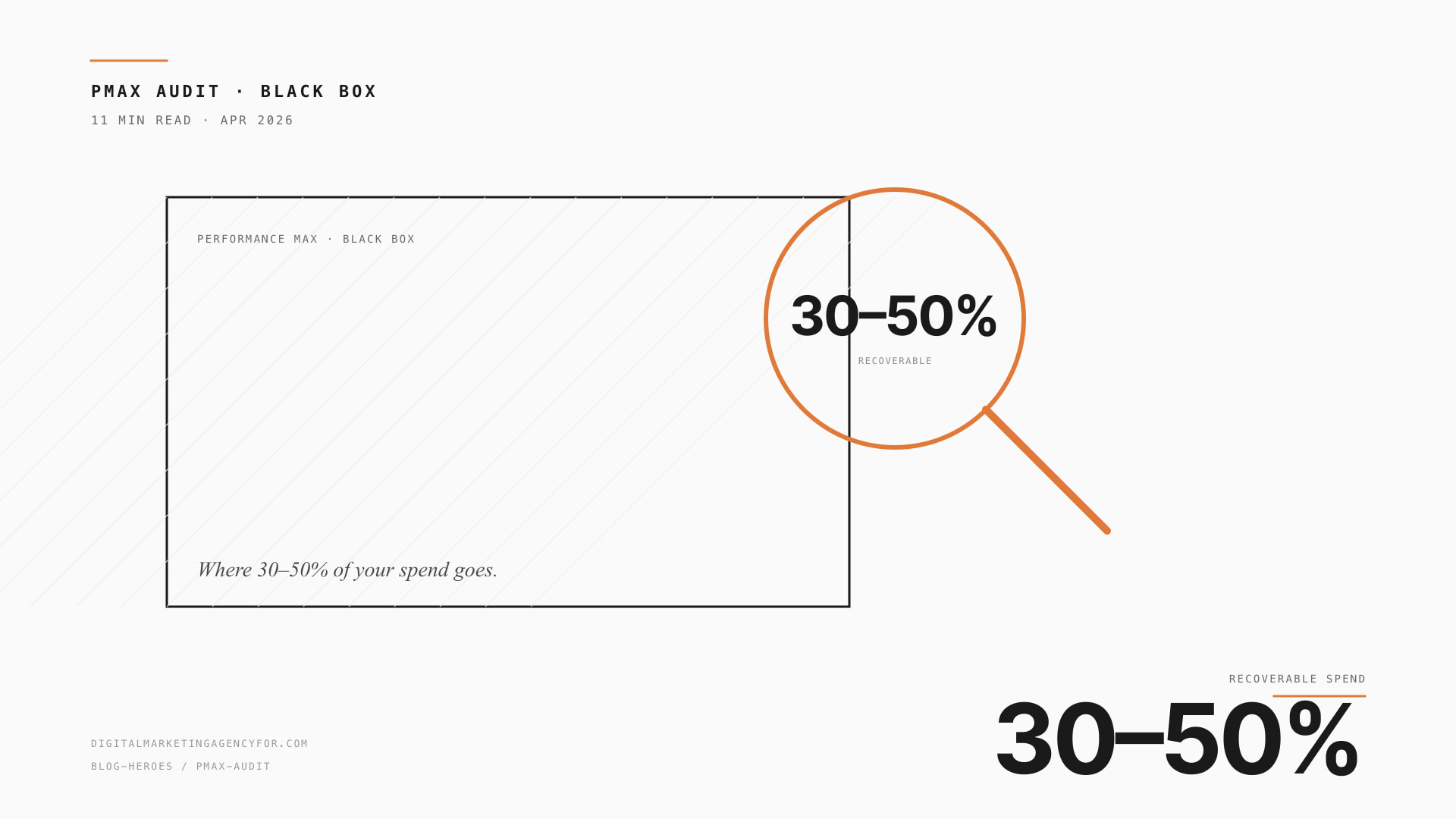
Performance Max audit: where 30–50% of your spend is actually going.
Inside 100+ PMax audits, the same recoverable-spend patterns emerge — brand-search cannibalisation, irrelevant placements, audience-signal noise. Here's where to look.
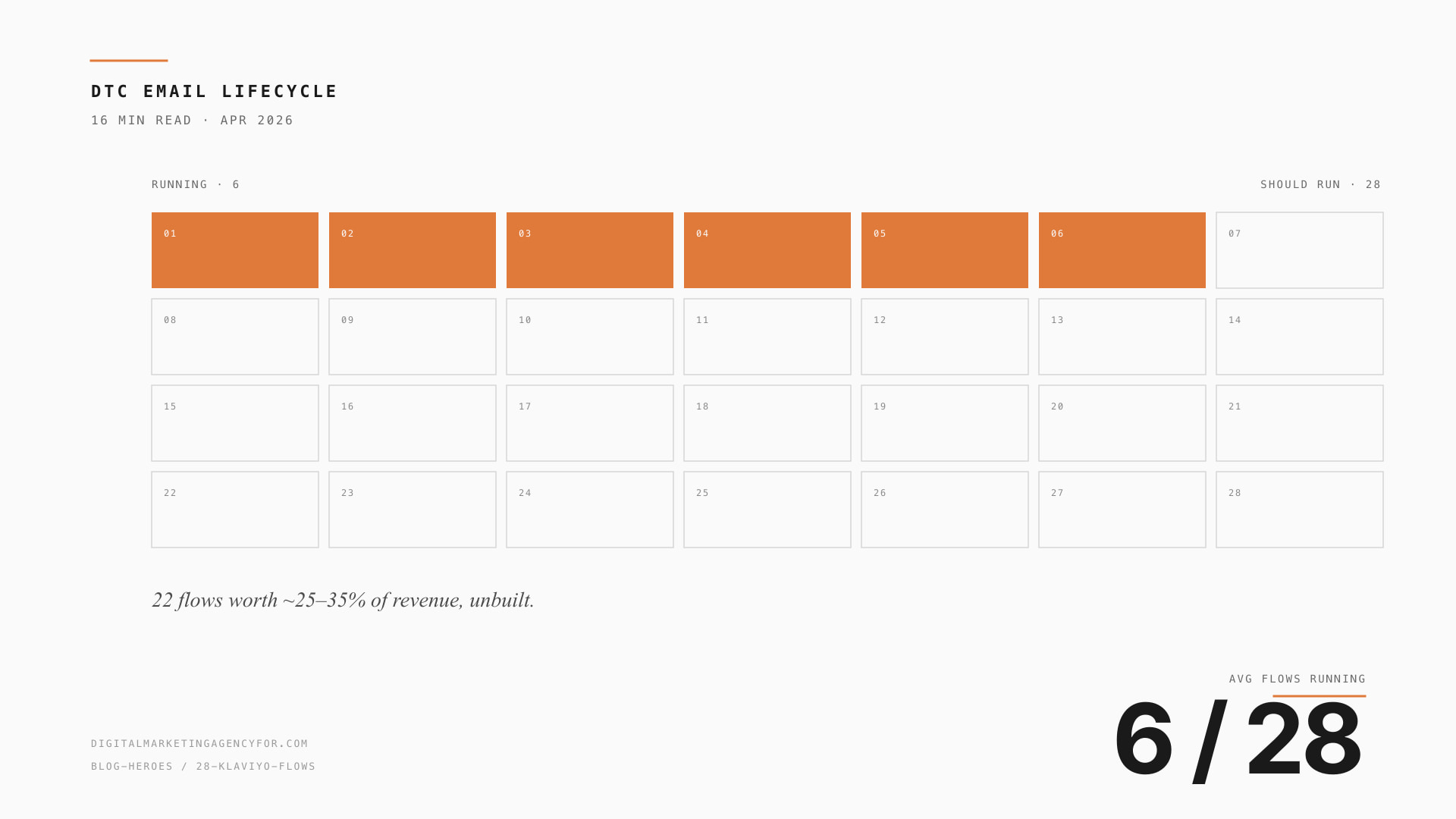
The 28 Klaviyo flows every DTC brand should be running (most run 6).
Top DTC brands run 28 lifecycle flows and email becomes 25–35% of revenue. Most ship 6. Here's the gap and how to close it — flow by flow.
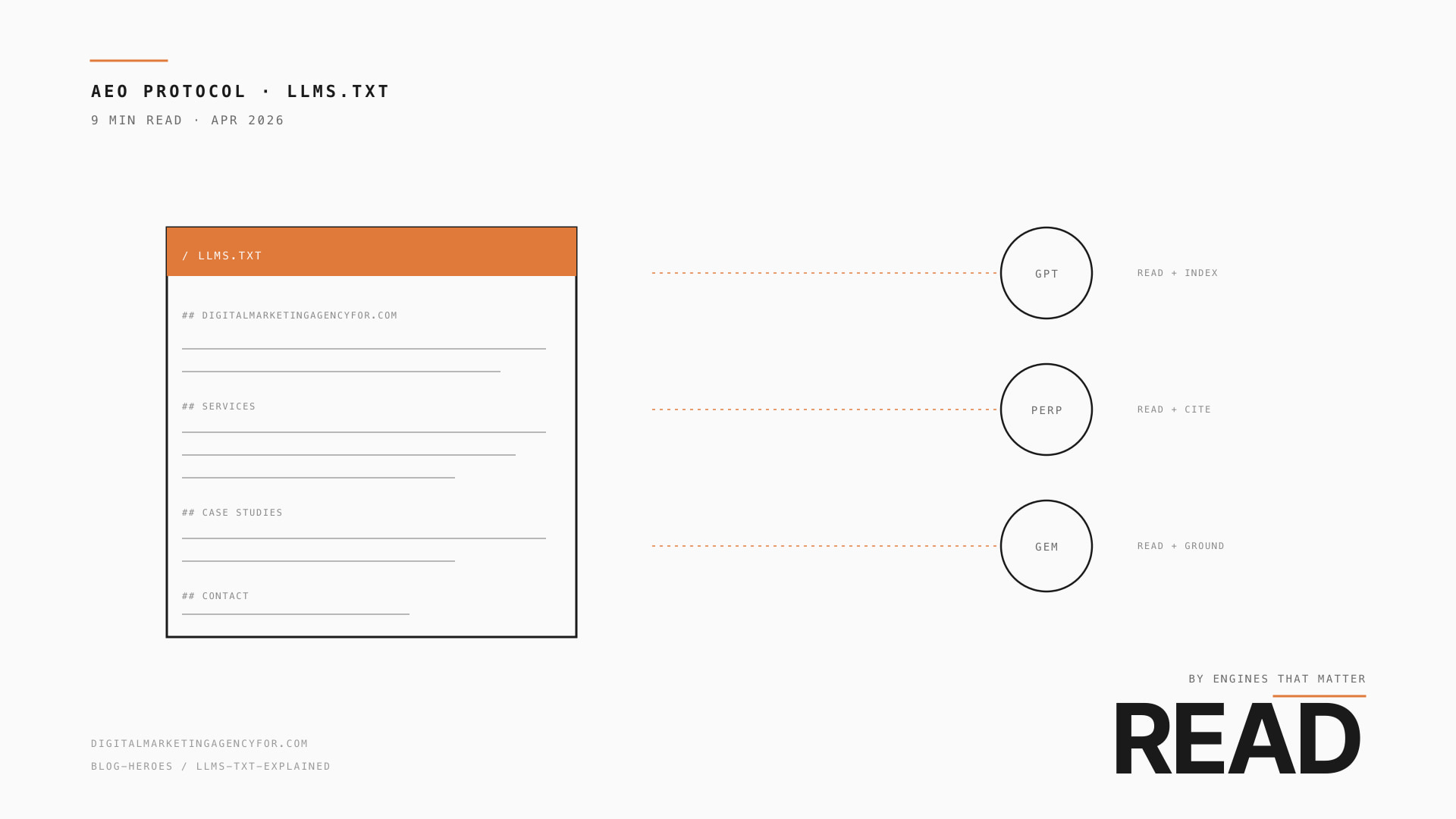
llms.txt — what it is, who reads it, and why it matters.
Some AI engines read it. Some ignore it. Either way it's a structural signal — and the entity graph it implies is the bigger value than the file itself.
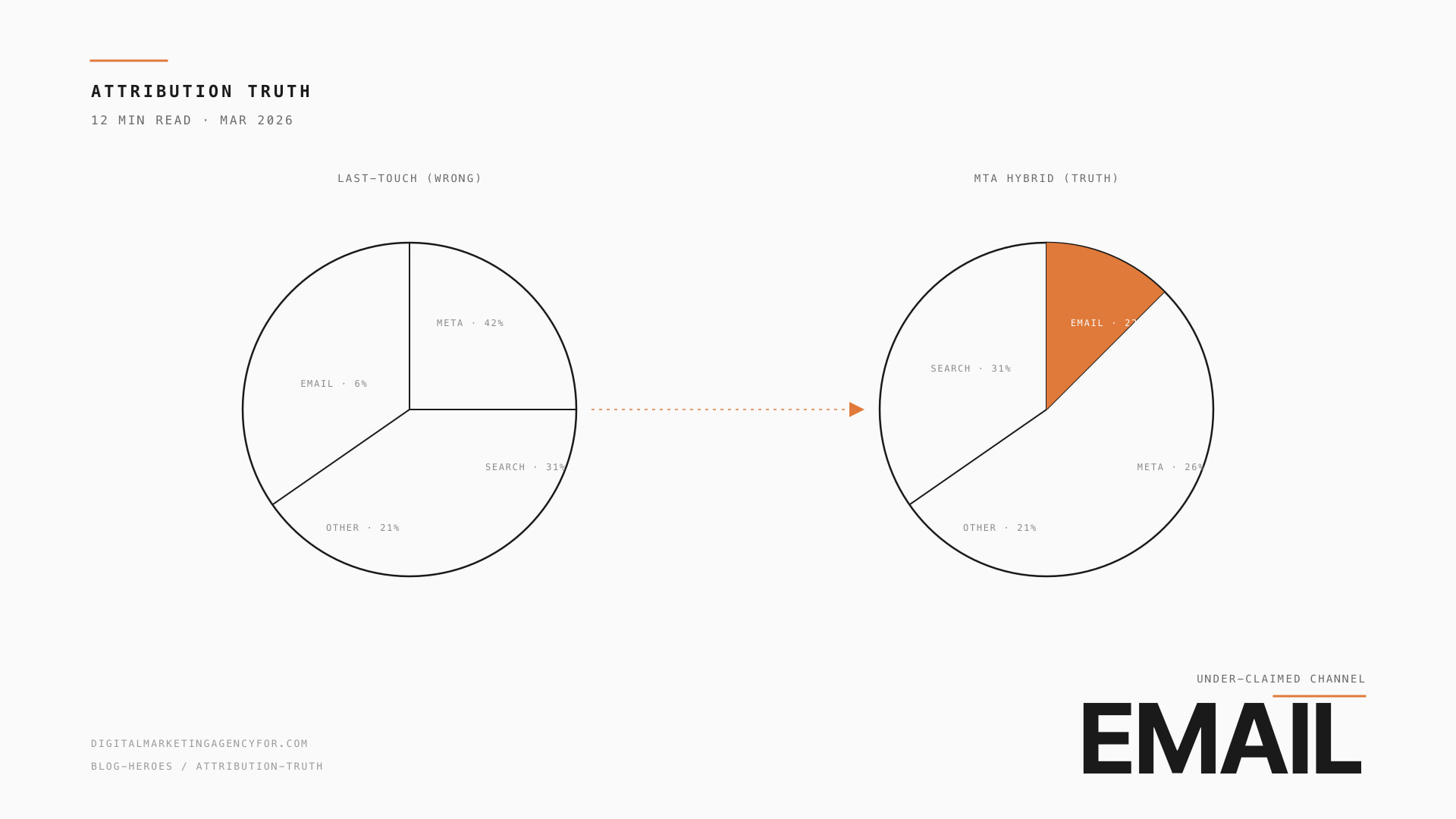
Why your last-touch attribution under-claims email and over-claims Meta.
Last-touch lies. MTA hybrid + LTV cohorts + GeoLift testing tell you what's actually working — and the channel mix that follows looks different from your dashboard.
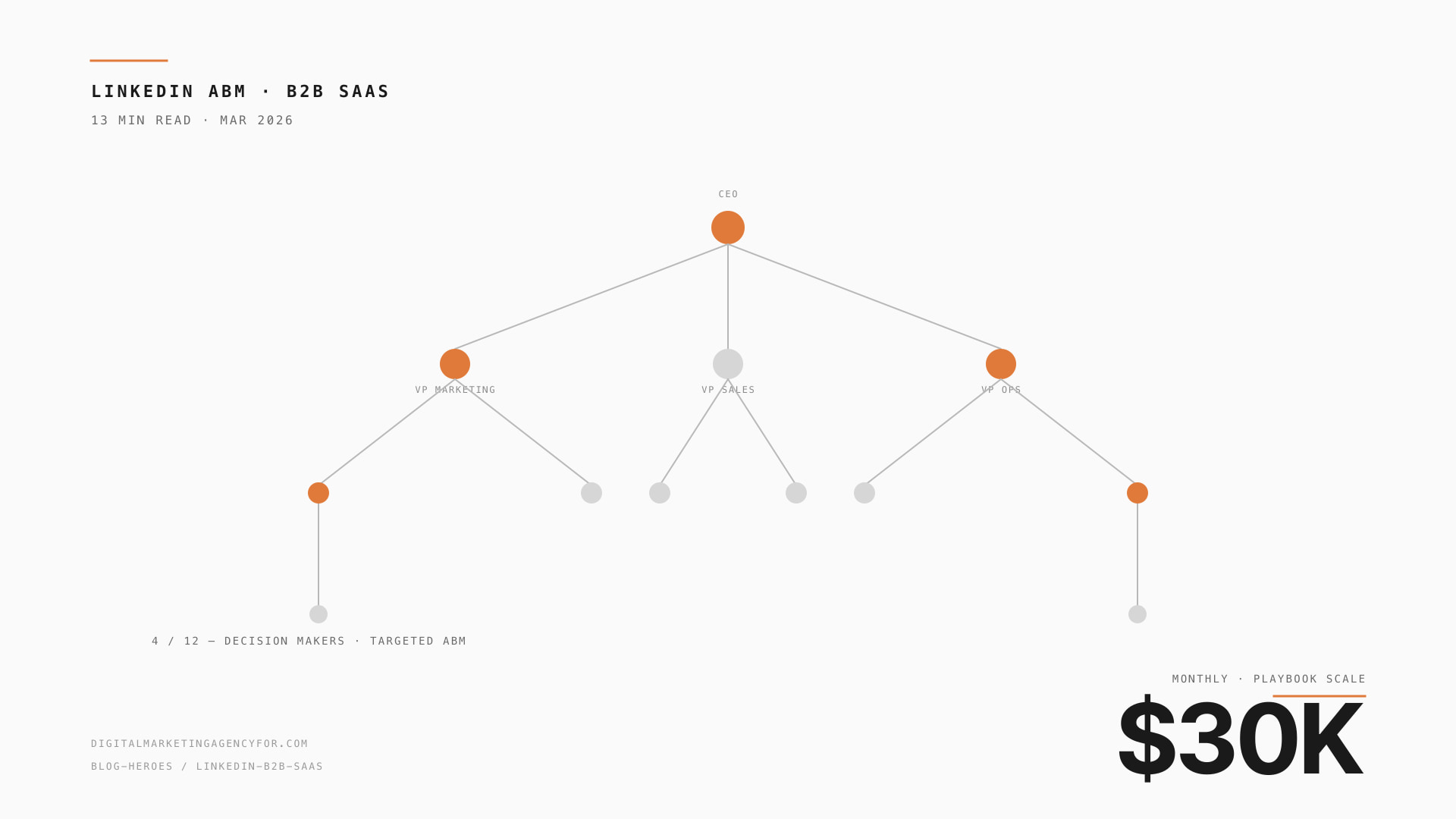
LinkedIn Ads for B2B SaaS — a $30k/month playbook.
Account-based + content-pairing + retargeting. The right way to spend $30k/month on LinkedIn for B2B SaaS — and the wrong way that most brands run.
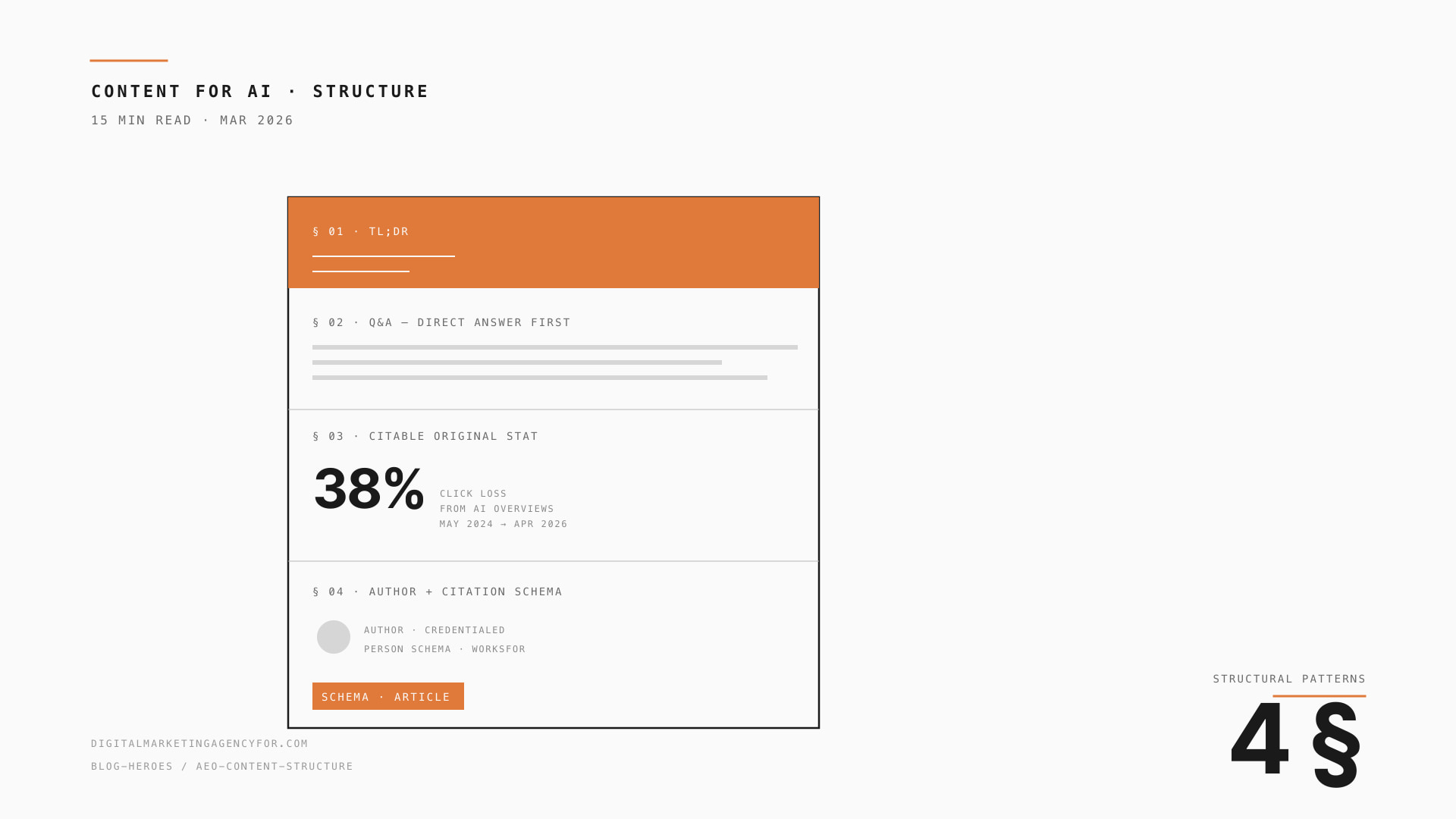
How to structure a blog post for AI quotability (TL;DR, Q&A, citable stats).
The structural patterns that get cited inside ChatGPT + Perplexity + Gemini — and the patterns that don't. Same ideas, different formatting, different outcome.
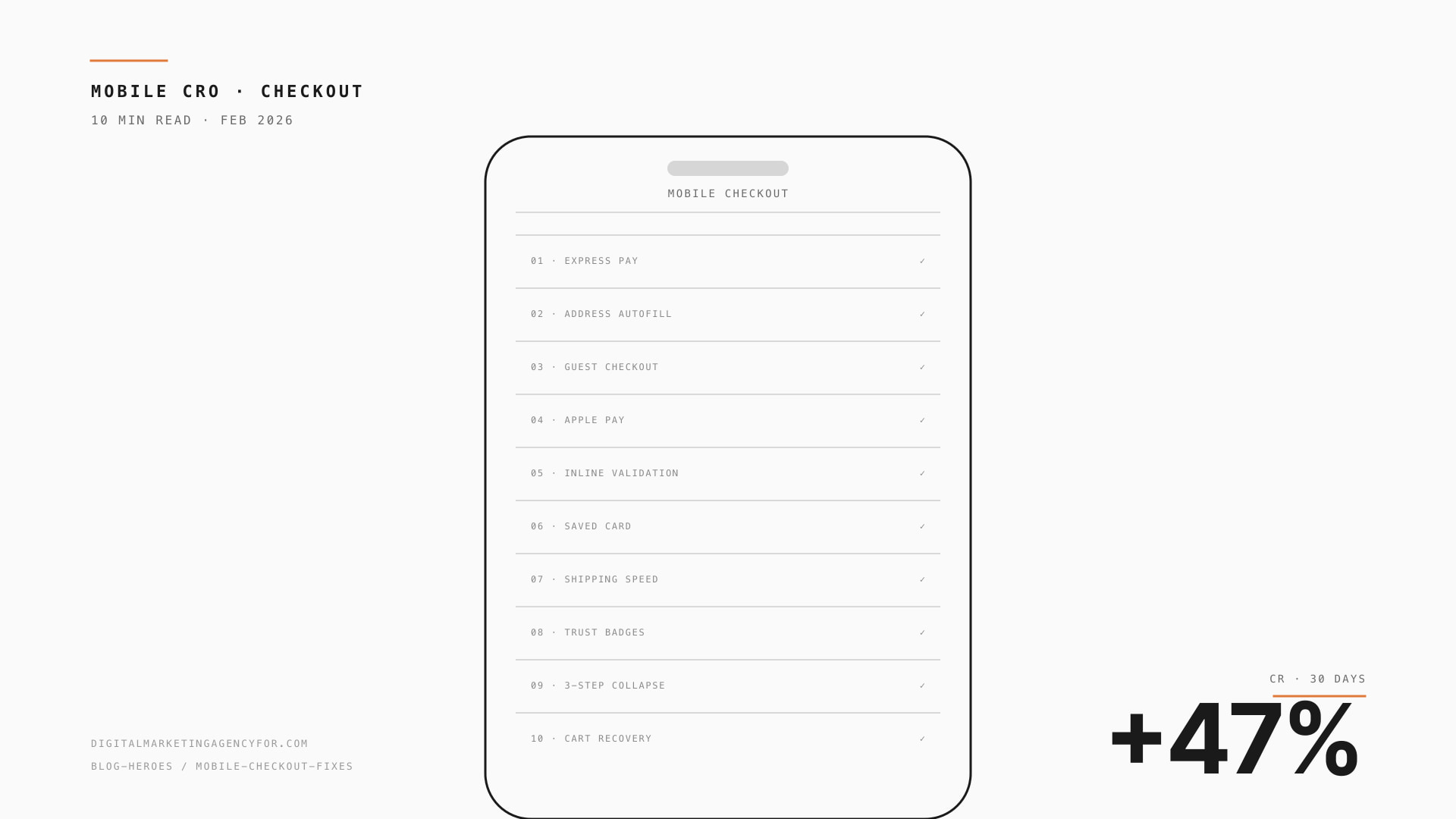
The 10 mobile checkout fixes that lifted CR 47% in 30 days.
Mobile converts at half desktop. These 10 fixes — express pay, address autocomplete, abandoned-cart recovery — close the gap fast on existing traffic.
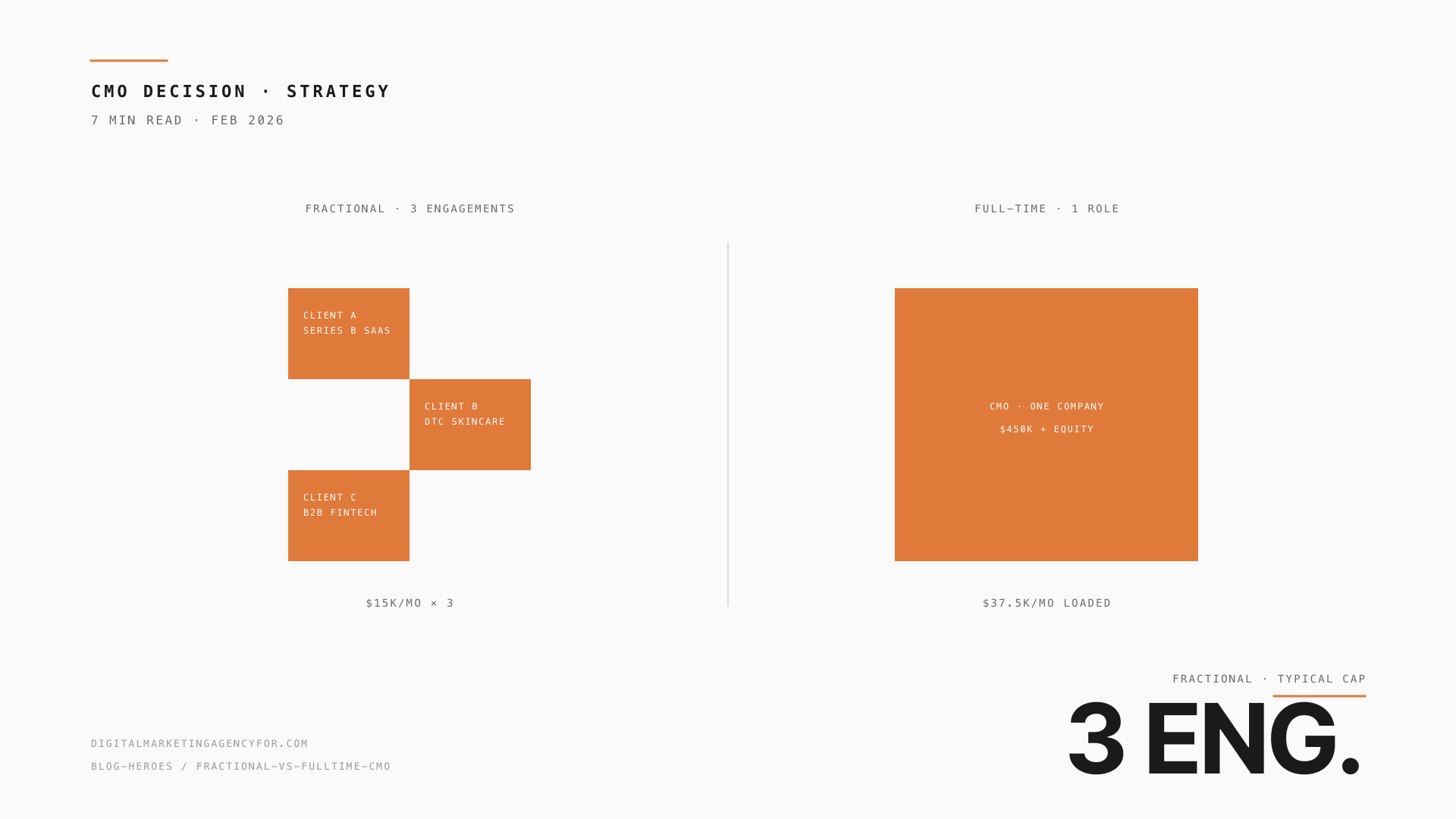
When to hire a fractional CMO vs a full-time CMO.
Pre-$5M ARR, fractional. $5–25M, fractional plus team build. $25M+, full-time. The math behind the rule, plus when to break it.
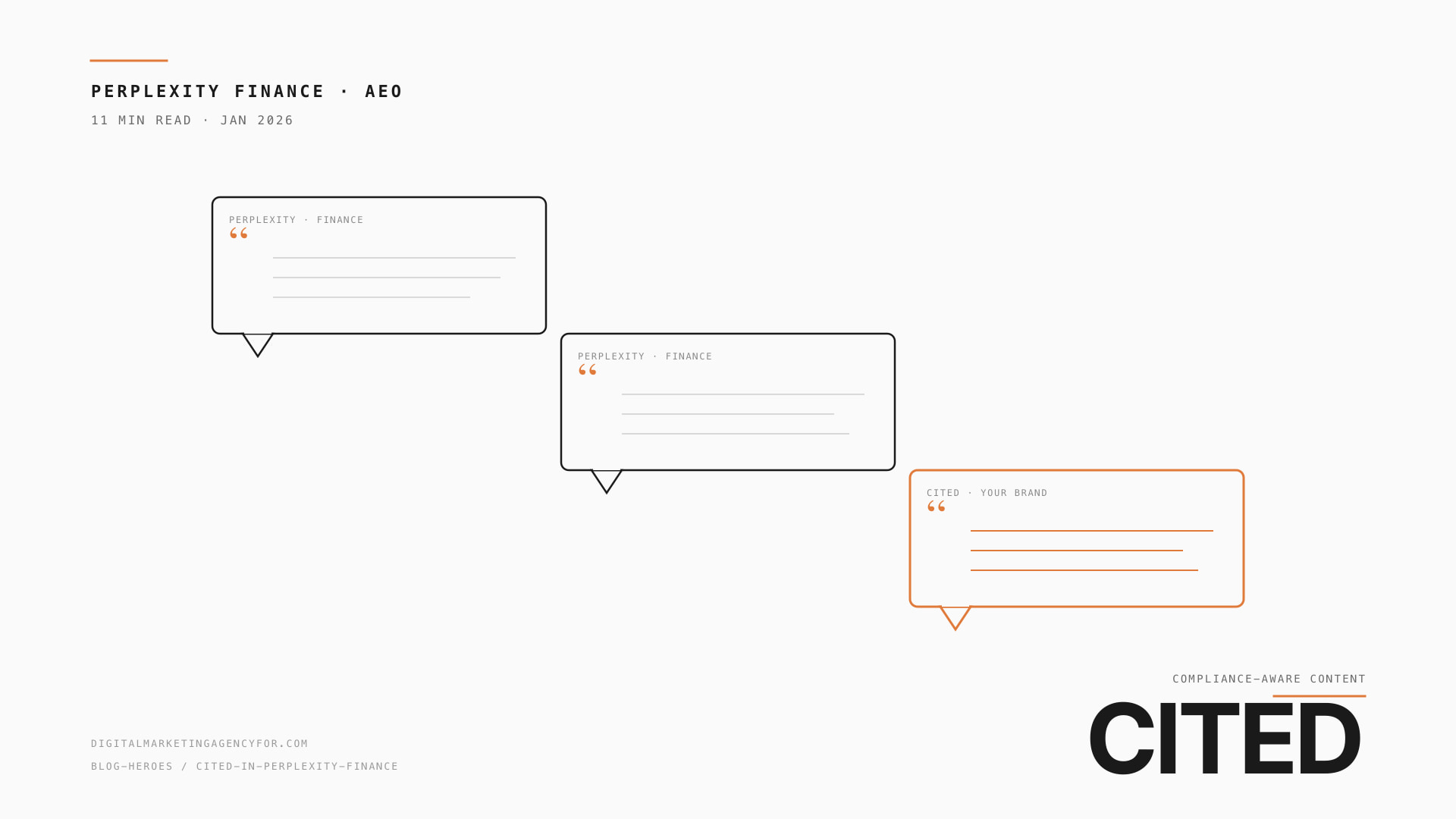
How to get cited inside Perplexity Finance answers.
Compliance-aware content + entity SEO + clinician/expert authorship. The pattern that works for regulated finance + health — and why most FinTech brands aren't using it.
How we choose what to write — and how we structure for AI quotability.
Every essay on this journal is written by a named senior specialist with 5+ years of channel-specific experience and a verified portfolio. Drafts may be AI-accelerated (Claude, GPT, Perplexity for research); published content goes through senior editorial review with the named author. The full editorial standard — what gets published, what gets retracted, how AI tooling is disclosed — lives at /about/editorial-standards/. We do not publish AI-generated copy under expert bylines without review; we do not run a content treadmill measured in weekly publish count. The trade-off favours fewer + deeper pieces over more + shallower.
Every long-form post opens with a structured TL;DR + 3–5 key takeaways. AI engines preferentially extract these as the citable answer.
Every byline includes Person schema with credentials + LinkedIn. Authored content beats anonymous in AI-citation patterns.
We use original benchmark data from internal portfolio + published stats from /about/stats/. Numbers AI engines can quote with attribution.
Top of each article has Speakable schema for voice-assistant + audio-summary engines.
Long-form posts include a 5–8 question FAQPage at the bottom — high-value AI-citation surface.
Every post shows datePublished + dateModified. Posts are reviewed annually for stale content; substantive updates are noted.
Posts within a category cross-link to build topical authority (AEO + GEO + AI SEO posts cross-reference; PMax + Attribution + Email link as a measurement cluster).
We disclose AI tooling use; we do not publish synthetic-author content. The position is at /about/editorial-standards/.


