The Distribution Channel Has Fundamentally Shifted
For two decades, the formula for online visibility was simple: build something people want, and ensure it ranks in search engines, social feeds, and paid ads. These were all human-mediated channels. You optimized for the human user, who then clicked a link to find you.
In the past six months, that equation has broken. Cloudflare, Shopify, Stripe, Supabase, Netlify, and Google have independently invested in becoming agent-ready. They are building for a new distribution channel: AI agents that visit websites, extract information, compare options, and complete transactions on behalf of the humans who sent them.
When six companies in different industries build for the same visitor class independently, the channel is real. Your website still needs to make something people want. But agents are now how many of those people find it. A website that works for humans but fails for agents is a product with a broken distribution channel.
Why the 2019 Content Framework Is Now Your Enemy
If you are still relying on the content framework that worked in 2019, you are actively sabotaging your visibility. That framework, popularized by figures like Guy Kawasaki, relied on four categories: inspire, educate, enlighten, and entertain. It felt clean, teachable, and complete.
The data, however, disagrees. By 2023, the reality was that audiences and algorithms demanded far more nuance. More importantly, AI agents do not "enjoy" a documentary or "laugh" at an entertaining post. They do not parse emotional stories in the way humans do. They extract structured data, logical arguments, and specific facts.
If you create content based on the old "four categories" model, you are likely producing vague, emotional, or unstructured assets that AI agents cannot parse. You are optimizing for the wrong visitor class. The framework that once built your brand is now the filter that hides it from the new gatekeepers.
The Deindexing Confusion: Ranking Losses, Not Technical Errors
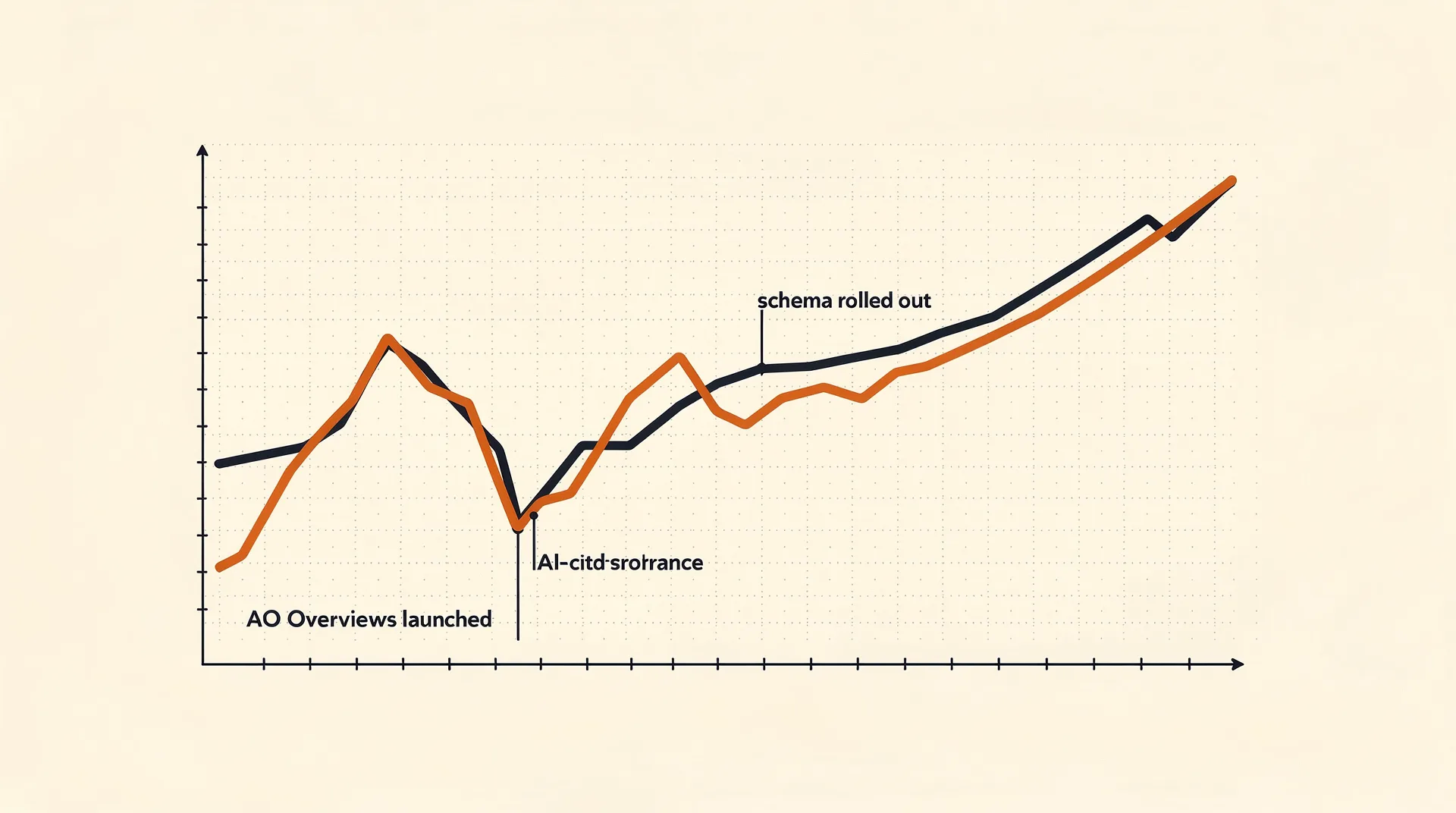
A wave of confusion has hit the SEO industry recently. For two months, business owners have reported pages vanishing from Google's index without manual actions or crawl errors. The status "crawled, currently not indexed" has become the new nightmare.
Google sees nothing unusual in the data. Detailed investigations, such as those by Glenn Gabe, suggest that many of these reports are not true deindexing events. They are ranking losses, canonical choices, or reporting noise that get filed under the same word.
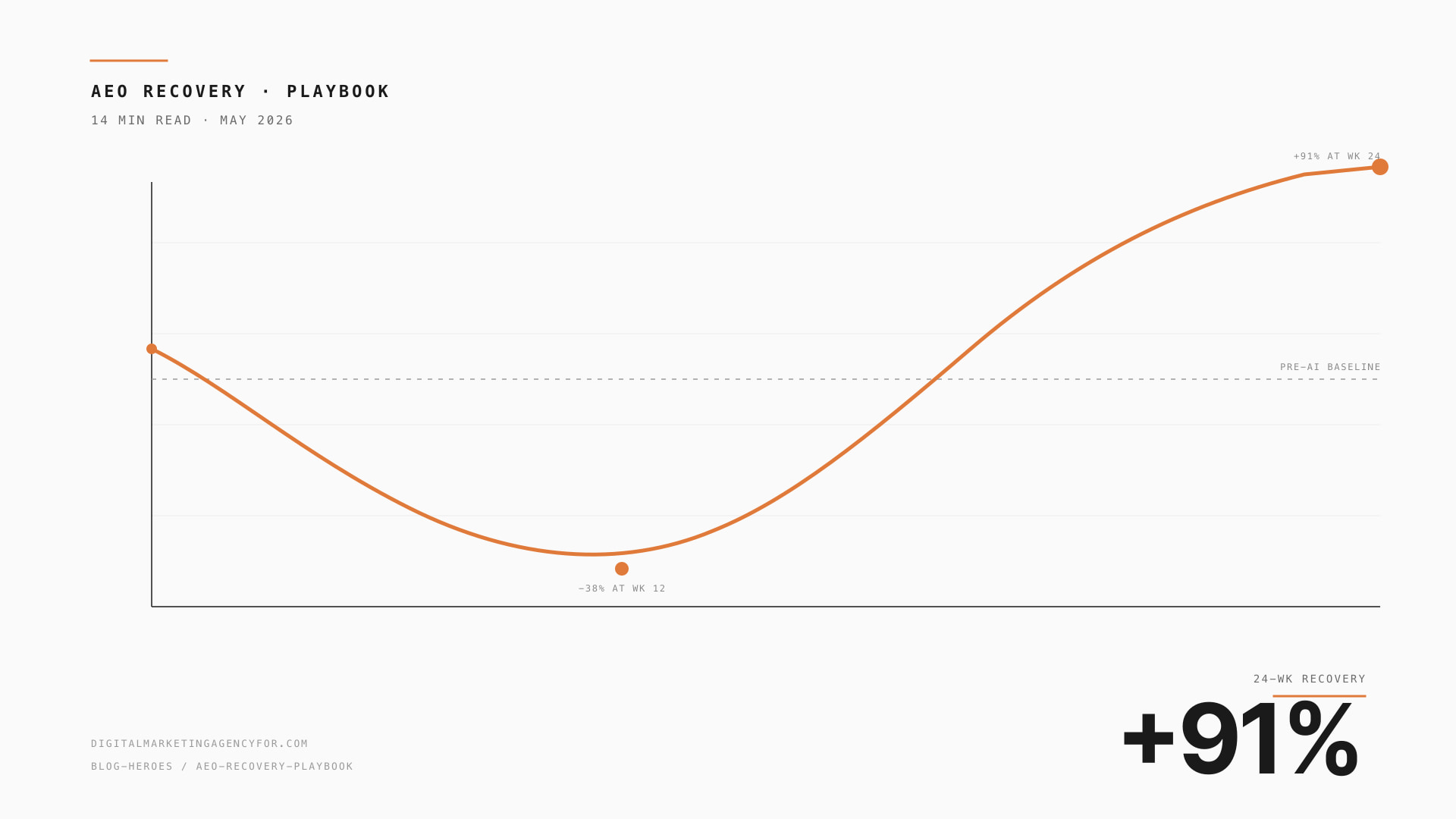
The critical takeaway is that if you misread these reports and act on them as technical failures, you can turn a recoverable drop into a permanent loss. But the deeper issue is that as Google refines its indexing for AI-driven summarization, it is increasingly excluding content it deems low-value for agents. If your content is unstructured, vague, or purely emotional, it is the first to be excluded.
The Practical Move: Make Something Agents Want This Week
The operational imperative for marketers has shifted from "optimizing for keywords" to "optimizing for agents." You must audit your content assets against the new reality.
1. Audit for Structure: Flatten your content. AI agents prefer clean, crawlable HTML with clear hierarchies. Use semantic markup (H1, H2, H3) to organize logical sections. If your content is buried in complex scripts or unstructured text blocks, agents cannot read it.
2. Inject Specific Data: Replace vague generalizations with specific, sourced statistics. AI systems reference content with specific, sourced data far more often than content with vague emotional claims. Add 2–3 relevant statistics to your top-performing articles with proper attribution.
3. Answer Questions Directly: Rewrite your key headings as questions and ensure the first paragraph directly answers them. Agents are designed to provide direct answers; your content must be structured to feed them.
4. Make It Quotable: Include expert quotes, case study results, and concrete examples. These make your content "citation-worthy" for agents that are summarizing your industry.
The New Golden Rule
The motto "Make something people want" was never about the product; it was about distribution. For 20 years, that distribution ran through search. Now, it runs through agents.
You must build the thing that finds product-market fit with agents. If you ignore this shift, you are not just losing traffic; you are losing the ability to be found by the humans who are increasingly relying on agents to make decisions.
Make something agents want. Start this week. Audit your top three pages. Are they readable by a bot? Do they offer specific data? Do they answer questions directly? If not, you are invisible to the new distribution channel. Fix it now, before the framework you rely on costs you your entire business.