What changed
AI search is shifting the unit of optimization from a single page to a system of signals that models can understand, retrieve, and trust. Google’s CEO said the company uses satisfaction metrics like engagement, return behavior, and bounce-backs to evaluate AI Search, which reinforces that visibility now depends on whether users find the answer useful, not just whether a page matches a keyword.
At the same time, AI systems are increasingly answering questions about brands from scattered page fragments, which can lead to hallucinated product names, invented executives, and weak attribution when the underlying information is not structured clearly. In other words, classic SEO still matters, but it is no longer sufficient on its own.
The practical consequence is that marketers are competing in two layers at once: the traditional search layer, where keyword relevance and content quality still matter, and the AI retrieval layer, where entity clarity, structure, and evidence are becoming decisive.
Why it matters for marketers
This shift matters because it changes what “good SEO” looks like in practice. Search engines still rely on content quality, descriptive titles, headings, internal links, and clean URLs, but modern optimization also requires semantic coverage, topical depth, and a strong information architecture that helps systems understand what a brand is and how its claims are supported.
That has three marketing implications:
- Traffic alone is a lagging signal. Google’s AI products are optimized around user satisfaction metrics, so being cited, surfaced, or summarized may matter even when the click does not happen immediately.
- Authority is now partly structural. If your expertise lives across disconnected pages, AI systems may stitch it together poorly or omit it altogether.
- Trust has become operational. Research on online reputation management found that active reputation management, not star ratings by themselves, was associated with better business performance. For marketers, that is a useful proxy for AI SEO: reputation signals work best when backed by ongoing operational discipline, not cosmetic output.
The result is a stricter bar for brands. It is no longer enough to publish content that ranks. Brands now need content that can be interpreted, validated, and reused by both humans and machine systems.
The editorial read on the new rules
The old model assumed that if you matched the query well enough, you could win the click. The newer model assumes that search systems may answer the query themselves, synthesize multiple sources, or present an AI Overview before the user ever visits your site.
That means the marketer’s job is expanding from keyword targeting to knowledge representation. The best-supported advice across the source set points in the same direction: use keywords, but do not over-index on density; build pages around intent; strengthen titles, headings, and metadata; and organize content so adjacent concepts reinforce one another rather than sit in isolation.
A related development is the push toward structured business descriptions for AI systems. EntityMap, for example, is being proposed as an open standard that lets organizations publish a structured file mapping entities, relationships, and evidence, specifically because AI systems are currently misreading brands from fragmented pages. Even if that standard is still in consultation, the editorial takeaway is clear: the web is moving toward machine-readable identity as a competitive advantage.
What to do this week
If you do one thing this week, run a signal audit on one high-value topic cluster and one high-value business entity.
Focus on these moves:
- Pick one priority topic and map the exact questions users ask around it, not just the head keyword.
- Review the pages that should own that topic and check whether they use clear titles, descriptive headings, internal links, and concise summaries.
- Add supporting entities and proof: named products, services, locations, leadership, credentials, and sources should appear consistently and be backed by evidence.
- Check your reputation surface: reviews, responses, and profile consistency should be treated as operational infrastructure, not marketing garnish.
- Look for confusion points where AI could misstate your offering or leadership, then consolidate or rewrite those pages.
If your site has multiple thin pages on the same theme, consolidate them into a stronger canonical resource and redirect the weaker versions where appropriate. If your content is already strong, the next gain is usually not “more content” but clearer structure, sharper intent alignment, and better evidence.
A simple operating model
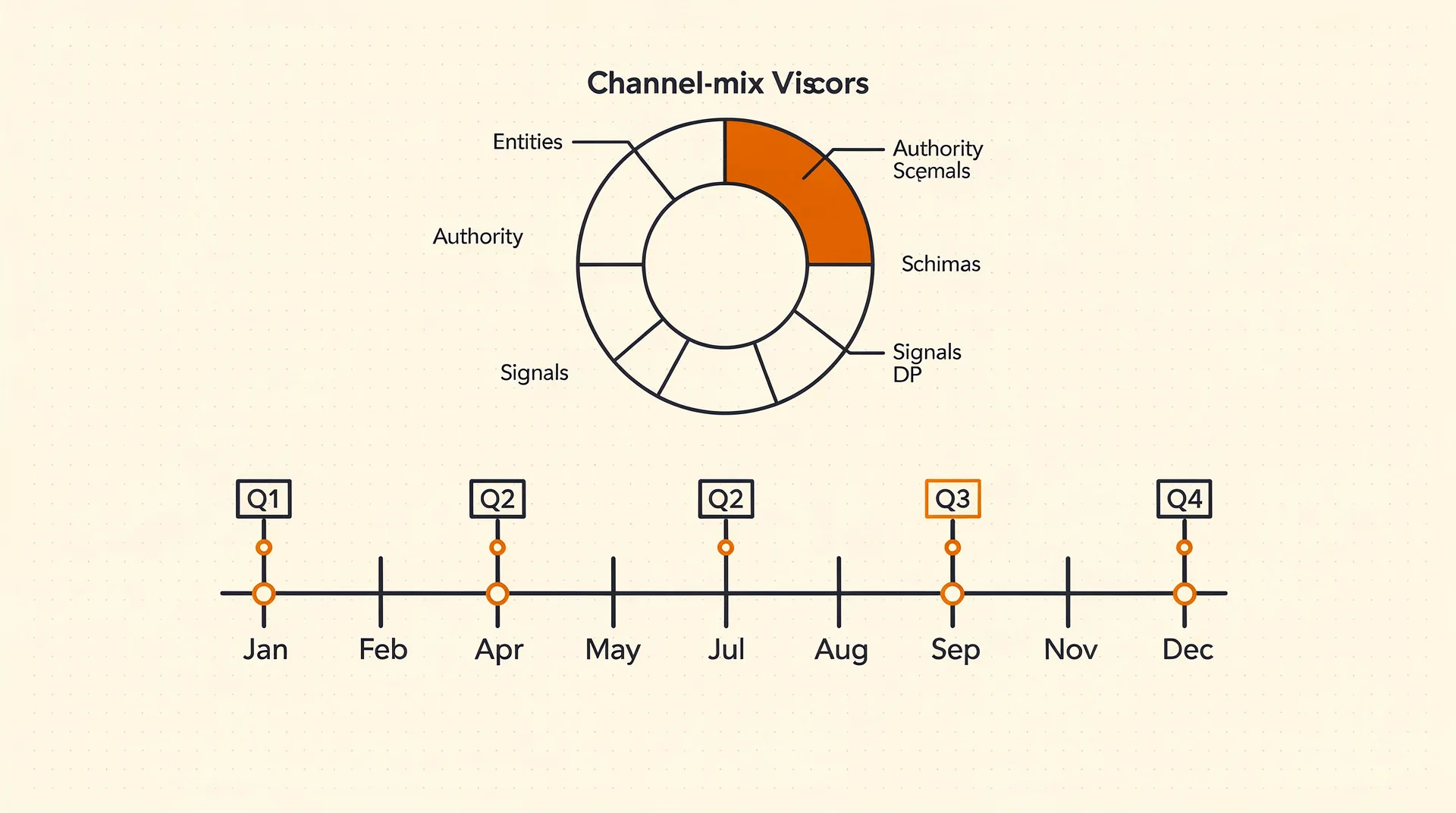
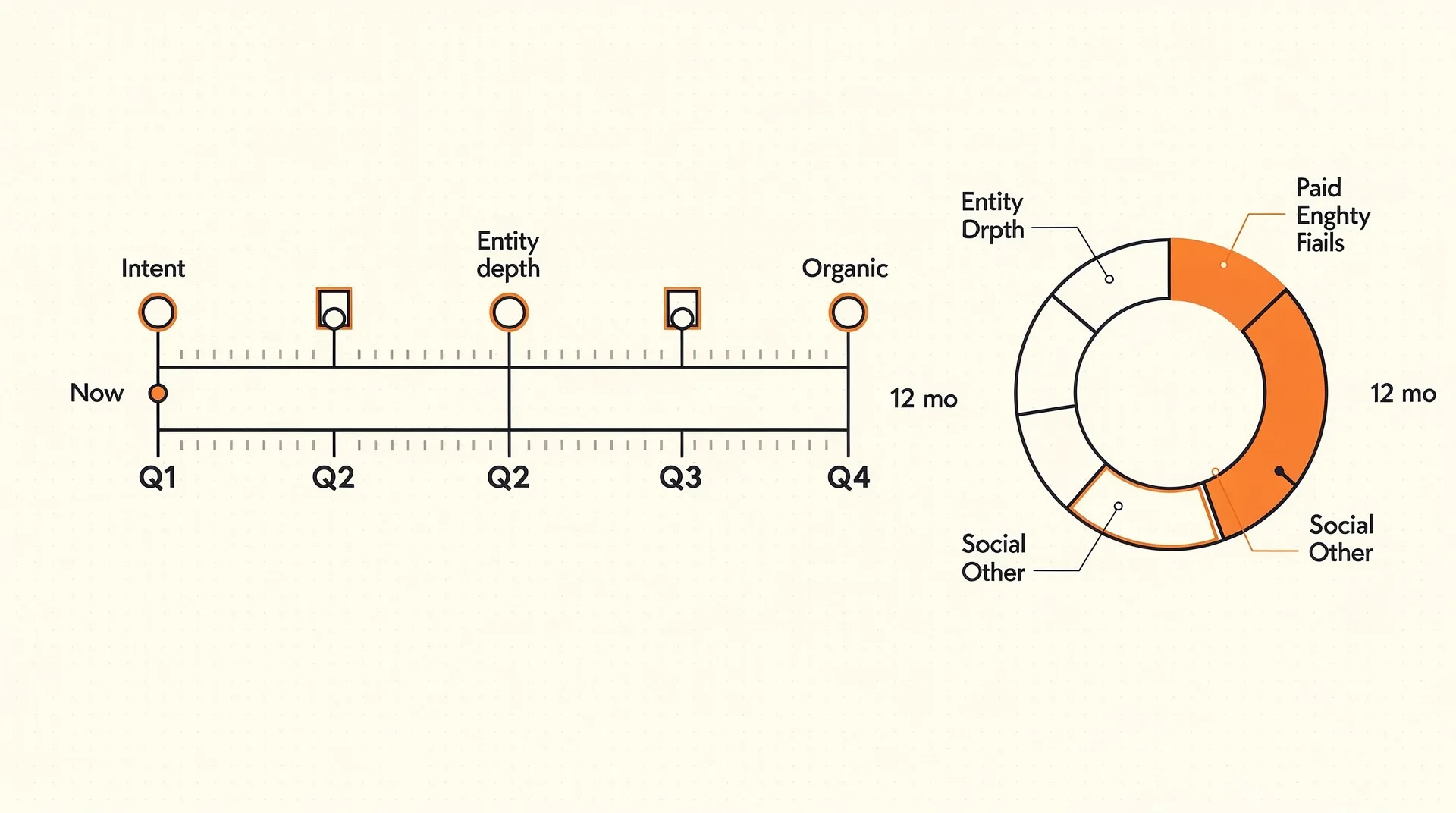
A practical AI SEO model in 2026 has four layers:
- Demand capture: target the phrases and questions people actually use.
- Content quality: answer the query more thoroughly and more clearly than competing pages.
- Entity clarity: make your brand, products, and expertise machine-readable and internally consistent.
- Trust signals: reinforce authority through reputation management, citations, and usable site structure.
That model reflects the direction of the sources: SEO is no longer just about matching intent. It is about making your business legible to search engines, AI systems, and users at the same time.
The practical move to make now
Build one page this week that does three things at once: answers a real user question, clearly defines the entities behind the answer, and cites or links to the evidence that supports it.
That single page becomes a better test case than a content calendar full of generic posts. If it earns visibility, citations, or engagement, you have a template for AI SEO that is durable because it is grounded in structure, not speculation.