Marketing automation.
HubSpot, Salesforce, Marketo, Pardot, Customer.io, Iterable, Braze. Lead-scoring models that work. Lifecycle automation that converts. CRM hygiene you can actually trust.
Marketing automation builds — HubSpot, Salesforce, Marketo, Pardot, Customer.io, Iterable — typically cut lead qualification time 40–60% and lift MQL-to-SQL conversion 18–34% in 90 days when scored correctly. Scope: lead scoring model, nurture sequence design, CRM hygiene, sales-handoff workflow, reverse ETL integrations. Most stalled automation builds are 70% configured and 30% strategic — we fix both layers, not just the platform.


Brand marks © their respective owners
Marketing automation, defined for the integrated GTM era.
The platforms.
Marketing automation is the practice of using software platforms to automate repetitive marketing tasks and orchestrate personalised customer journeys at scale — lead capture, nurture, scoring, qualification, MQL → SQL handoff, lifecycle automation, retention, win-back. The dominant platforms in 2026: HubSpot (best speed-to-value for $1–25M ARR), Salesforce + Marketing Cloud + Pardot (enterprise standard above $25M ARR or regulated industries), Marketo (B2B-heavy, deep flexibility), Customer.io (product-event-driven SaaS), Iterable + Braze (consumer + mobile-app heavy enterprise).
What changed.
Lead-scoring shifted from purely behavioural to combined behavioural + firmographic + intent (paired with 6sense, Clearbit, RB2B, Demandbase Lite for de-anonymisation). Reverse ETL (Hightouch, Census) made data-warehouse-defined audiences syncable into marketing tools — a single source of truth for segmentation across email, ads, and lifecycle. Product-event integration (Segment + Amplitude + Mixpanel feeding HubSpot or Customer.io) lets lifecycle automation reflect real product behaviour, not just marketing-funnel stage.
What we ship.
Platform implementation (HubSpot Sales + Marketing + Service + CMS Hubs, Salesforce Sales Cloud + Marketing Cloud + Pardot, Marketo, Customer.io), migration projects ($5,999 audit + roadmap to $14,999 full migration with lifecycle flows + sales training), lead-scoring models (behavioural + firmographic + decay + quarterly retraining), lifecycle automation (welcome, MQL → SQL, customer-onboarding, expansion, churn-risk, win-back), integrations (Stripe, Slack, Zoom, Salesforce, native + custom API), reverse ETL via Hightouch or Census, and sales-team training — CRM that sales does not adopt is debt, not asset.
Eight productised marketing automation sub-services. Each engagement mixes them by stack.
HubSpot implementation
Sales Hub + Marketing Hub + Service Hub + CMS Hub deployment, properties + pipelines + lifecycle stages + custom objects, lead-scoring model, lifecycle automation flows, integrations (Salesforce, Stripe, Slack, Zoom), sales-team training. See /hubspot-implementation/ for the dedicated $5,999–$14,999 sprint pattern.
Salesforce + Marketing Cloud
Sales Cloud + Marketing Cloud + Pardot + Service Cloud deployment for $25M+ ARR, regulated industries, or multi-product complexity. Multi-record-type architecture, complex routing rules, audit-trail compliance, enterprise integrations.
Lead-scoring models
Behavioural + firmographic combined scoring, decay modelling on inactivity, intent-data integration (6sense, Clearbit, RB2B, Demandbase Lite), MQL → SQL → opportunity threshold tuning, quarterly retraining against actual conversion data. Without quarterly retraining, scoring decays badly.
Lifecycle automation flows
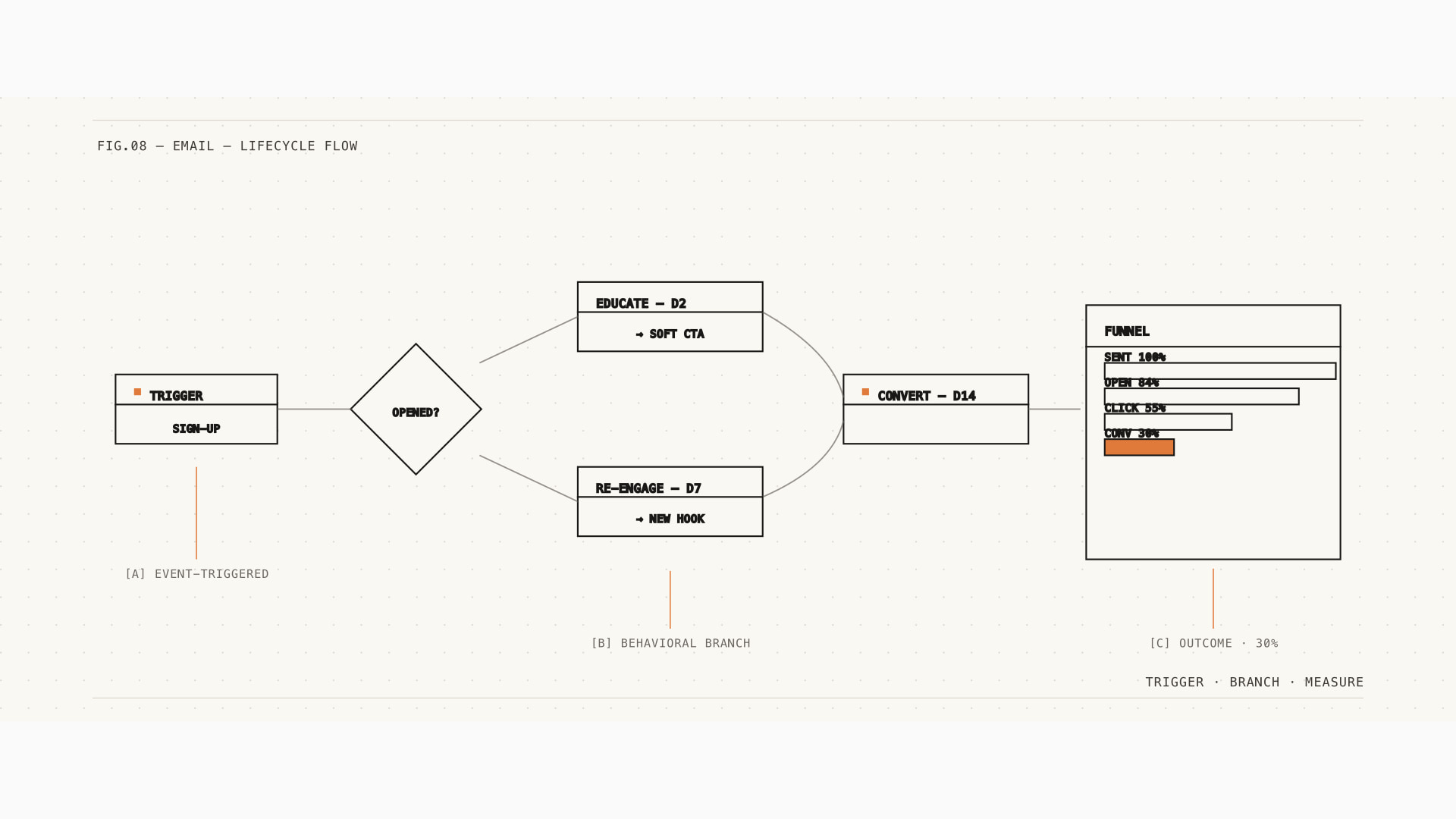
Welcome, MQL nurture, sales-handoff, customer-onboarding, expansion (cross-sell + upsell), churn-risk early-warning, win-back, reactivation, sunset. B2B + DTC + SaaS stages all supported. Most engagements ship 5–8 flows in the implementation sprint, expand to 15+ over 6 months.
Migration sprints
Salesforce → HubSpot (or vice versa), Marketo → HubSpot, Pardot → HubSpot, custom CRM → modern platform. Staged migration with data deduplication, custom-property mapping, integration rebuild, sales-team training. $9,999 standard, scaling with complexity.
CRM hygiene + governance
Deduplication (typical Salesforce instance carries 8–25% duplicates), data architecture review, custom-property strategy, naming conventions, version control on workflows. CRM hygiene is the unglamorous foundation that makes every downstream automation work or fail.
Reverse ETL + warehouse integration
Hightouch or Census for warehouse-to-ESP/CRM/ad-platform sync. Single source of truth for audience definition across email, ads, lifecycle, and product. Fits with mature data warehouses (Snowflake, BigQuery, Redshift) where SQL-defined audiences should be canonical.
Product-event integration
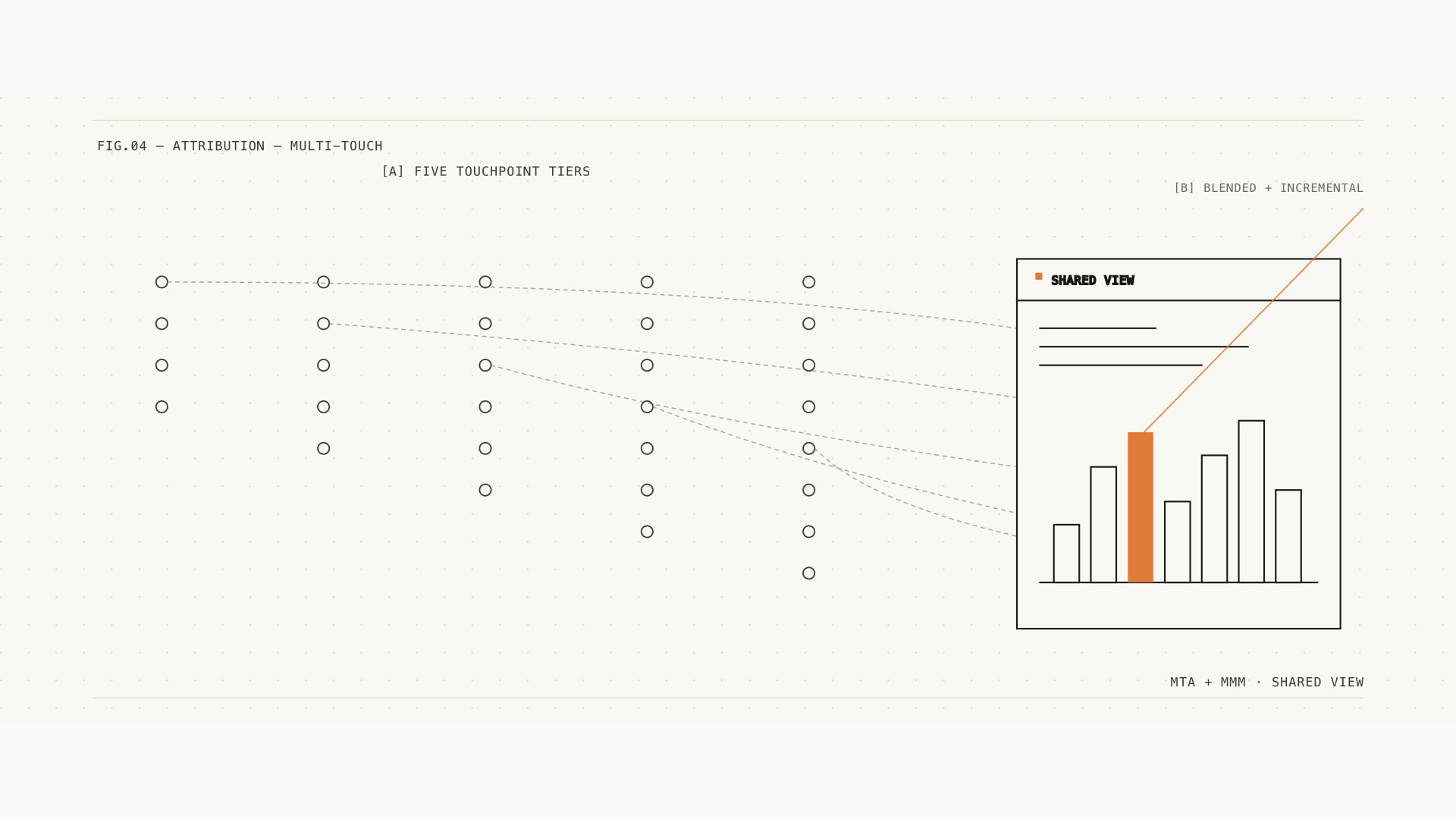
Segment + Amplitude + Mixpanel + custom event tracking feeding into HubSpot, Customer.io, or Iterable. Enables lifecycle automation that reflects real product behaviour (active/dormant, feature-adopted/churned, upgrade-ready) — not just marketing-funnel stage. Critical for product-led growth (PLG) SaaS.
Brands whose automation platform is dirty, broken, or unbuilt.
B2B SaaS
HubSpot or Salesforce. Lead scoring, MQL→SQL handoff, customer-onboarding sequences, expansion automation.
Mid-market enterprise
Marketo or Pardot. Lifecycle automation, ABM workflows, CRM hygiene, board-level reporting.
DTC + eCommerce
Customer.io / Iterable / Braze. Cross-channel orchestration. Reverse ETL from warehouse to ESP.
Agencies + consultants
White-label HubSpot / Marketo implementation for your enterprise clients.
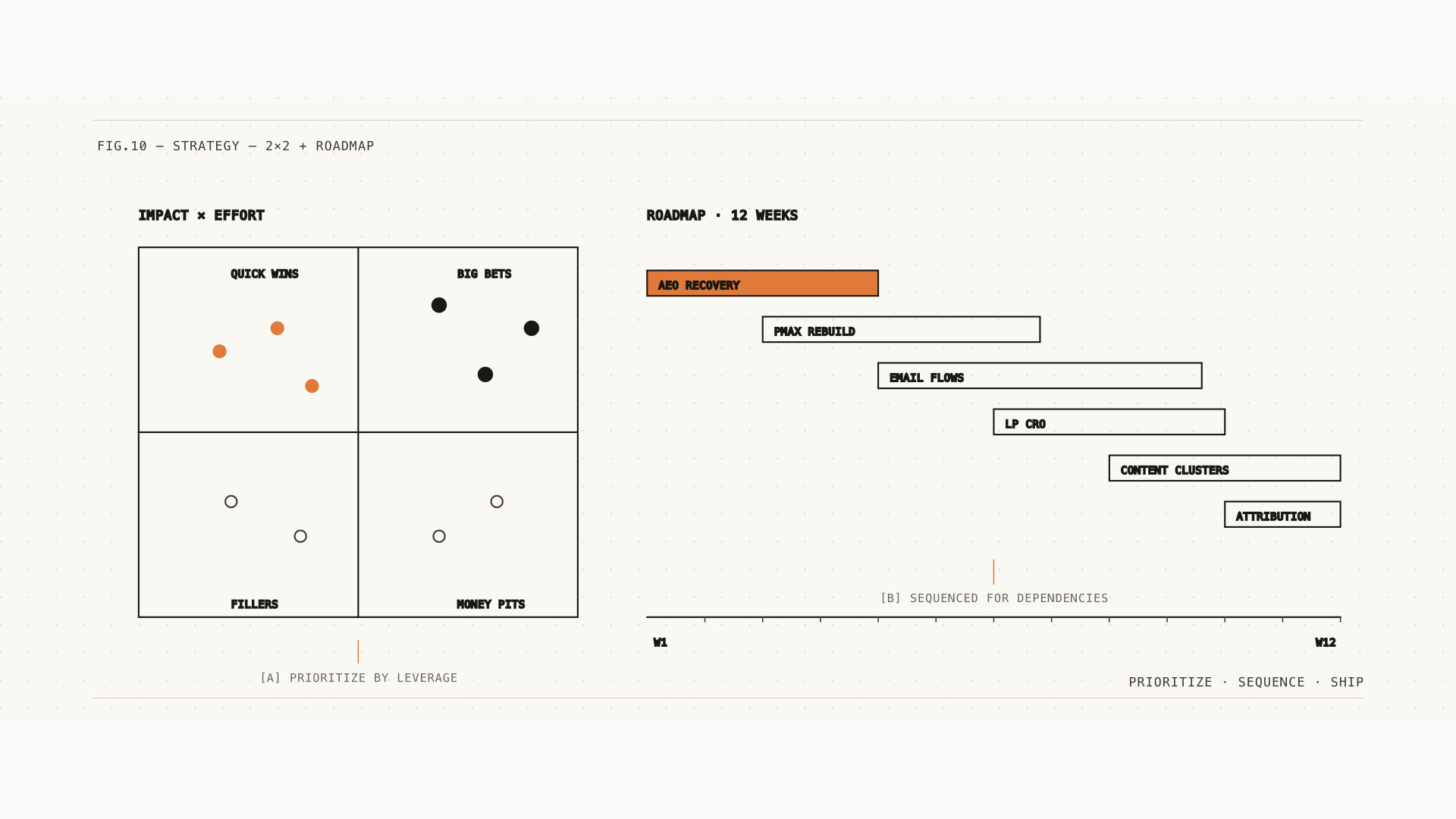
Audit → architect → automate. CRM hygiene first.
Audit
Platform health. Lead-scoring review. Integration health. CRM data hygiene. Workflow inventory.
Architecture
Lead-scoring model. Lifecycle map. Integration plan. Migration plan if applicable.
Build
Migration (if needed). Lead scoring live. Top 3 nurture flows live. Integrations deployed.
Test + train
End-to-end testing. Sales-team training. Reporting live. Documentation handed over.
Optimise
Ongoing flow building. CRM hygiene. Integration maintenance. Quarterly model retraining.
What ships when you choose us.
Platform implementation
HubSpot, Salesforce MC, Marketo, Pardot, Customer.io, Iterable, Braze, ActiveCampaign.
Lead-scoring models
Behavioural + firmographic. Decay modelling. Quarterly retraining.
Lifecycle automation
B2B: nurture, MQL→SQL, onboarding, expansion. DTC: lifecycle by purchase stage.
CRM hygiene
Deduplication, data architecture, custom-property strategy. Owned by client.
Integrations
Webhook + API integrations between marketing stack + product / data warehouse.
Reverse ETL
Hightouch, Census. Warehouse-to-ESP. Single source of truth for segmentation.
Audit. Implementation. Or run it monthly.
Platform health check, lead-scoring review, integration audit.
- Platform health
- Lead-scoring review
- Integration audit
- Prioritised plan
New platform setup or migration + lead scoring + 3 nurture flows.
- Platform setup or migration
- Lead-scoring model
- 3 nurture flows
- 30-day support
Ongoing flow building, CRM hygiene, integration maintenance.
- Flow building
- CRM hygiene
- Integration maintenance
- Quarterly review
Automation questions we get most.
Are you platform-neutral? +
Yes. We're certified across HubSpot, Salesforce, Marketo, Customer.io, Iterable, Braze. We'll honestly tell you which fits.
Can you handle a HubSpot migration? +
Yes — from Salesforce, Marketo, Pardot, or scratch. From $5,999 audit + roadmap to $14,999 full migration with 3 lifecycle flows.
How long do migrations take? +
Simple: 4 weeks. Complex (multi-record-type, integrations, custom): 8–12 weeks. We migrate in stages — never big-bang.
Do you train our sales team? +
Yes — sales-team training is part of every implementation. CRM that's not adopted is debt, not asset.
Reverse ETL — really worth it? +
For brands with mature warehouses (Snowflake, BigQuery, Redshift), yes. Hightouch / Census + reverse ETL = single source of truth across all marketing tools.
Can you integrate with our product data? +
Yes — webhook + API + reverse ETL pathways. Product event data drives lifecycle automation that actually reflects user behaviour.
How much does marketing automation cost? +
Three productised tiers in USD: Automation Audit $1,499 (10 days, platform health + lead-scoring + integration audit), Implementation Sprint $9,999 (6–10 weeks, new platform setup or migration + lead-scoring model + 3 nurture flows), Monthly Retainer $1,499–$4,499/mo (ongoing flow building + CRM hygiene + integration maintenance + quarterly review).
How long until marketing automation drives pipeline? +
New flow goes live in 7–14 days post-implementation. Lead-scoring tunes over 30–60 days as MQL→SQL conversion data accumulates. Migration projects (HubSpot ↔ Salesforce, Marketo → HubSpot) preserve continuity if executed in stages — never big-bang.
Get an automation audit.
Send us your platform access (read-only). We'll send back a 10-day audit — health score, integration gaps, lead-scoring effectiveness, and a 90-day plan.


