The Narrative Shift: Clicks Aren’t Just “Bounce”
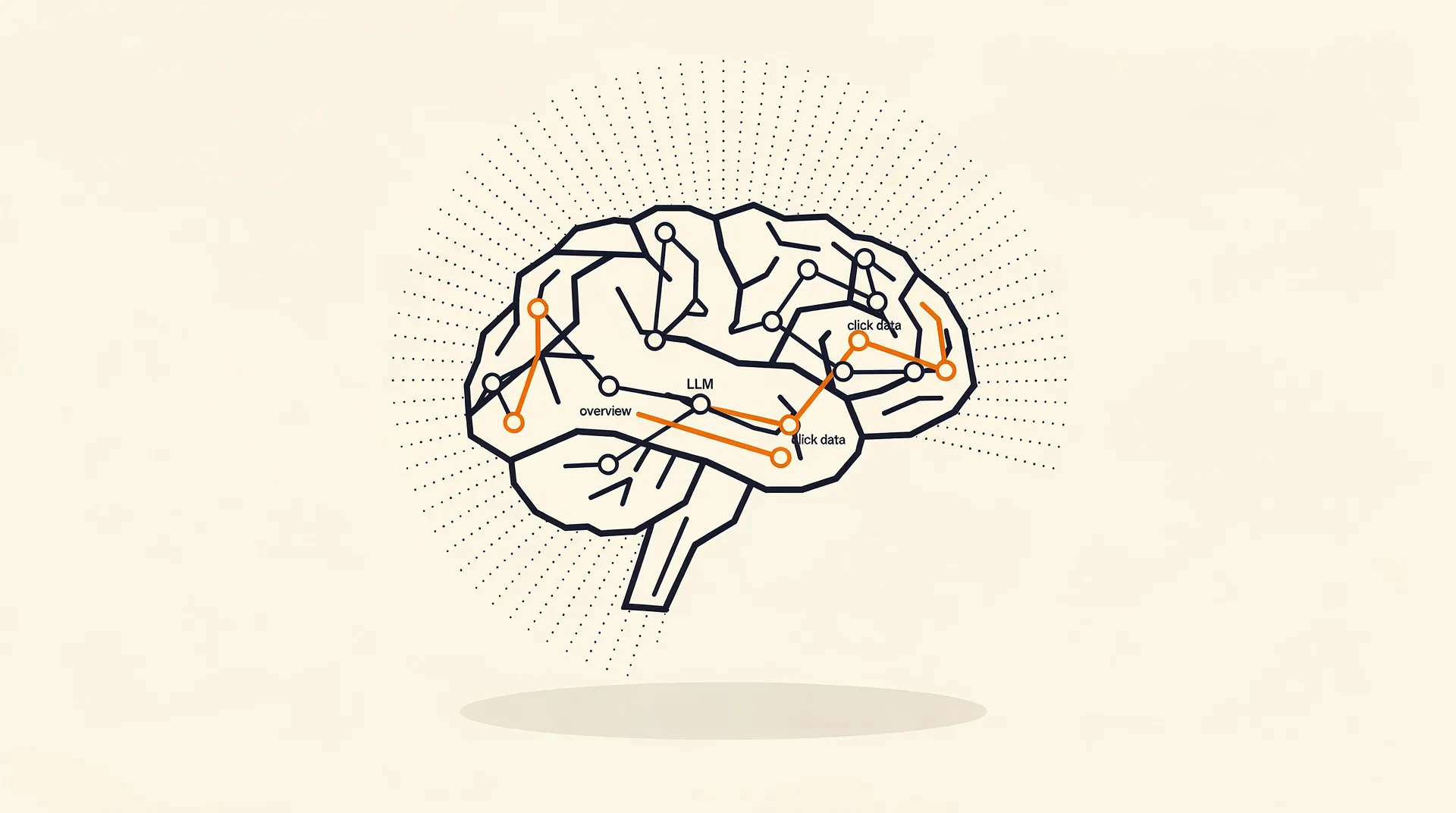
The most critical development in AI SEO this quarter is the collapse of Google’s official narrative regarding AI Overviews. For months, Google VP of Search Liz Reid has argued that AI Overviews primarily eliminate “bounce clicks”—low-value visits where users abandon a site quickly. This defense was used to justify the massive 39.8% drop in organic clicks observed when summaries appear.
However, a randomized field experiment has shattered this claim. Researchers found no measurable difference in bounce rates, dwell time, or return-to-search behavior between clicks that occurred with summaries and those that occurred without them. If AI Overviews were truly scrubbing away junk traffic, the clicks that agencies did get when summaries were absent should have looked worse. Instead, they looked identical.
The data proves that the lost traffic on AI Overview queries is not just visitors who wouldn’t have converted. Navigational and transactional queries remained stable, but the losses focused heavily on informational queries. This leaves Google’s click-quality defense unsupported by evidence. The drop in clicks is a real loss of valuable audience, not a filtering of noise.
Why Marketers Must Pivot Now
This revelation changes the strategic imperative for marketers. If you believe Google’s old story, you might optimize for “engagement” only to capture the scraps of low-intent traffic. But since the retained traffic carries the same quality as the lost traffic, the loss is a direct hit to your bottom line.
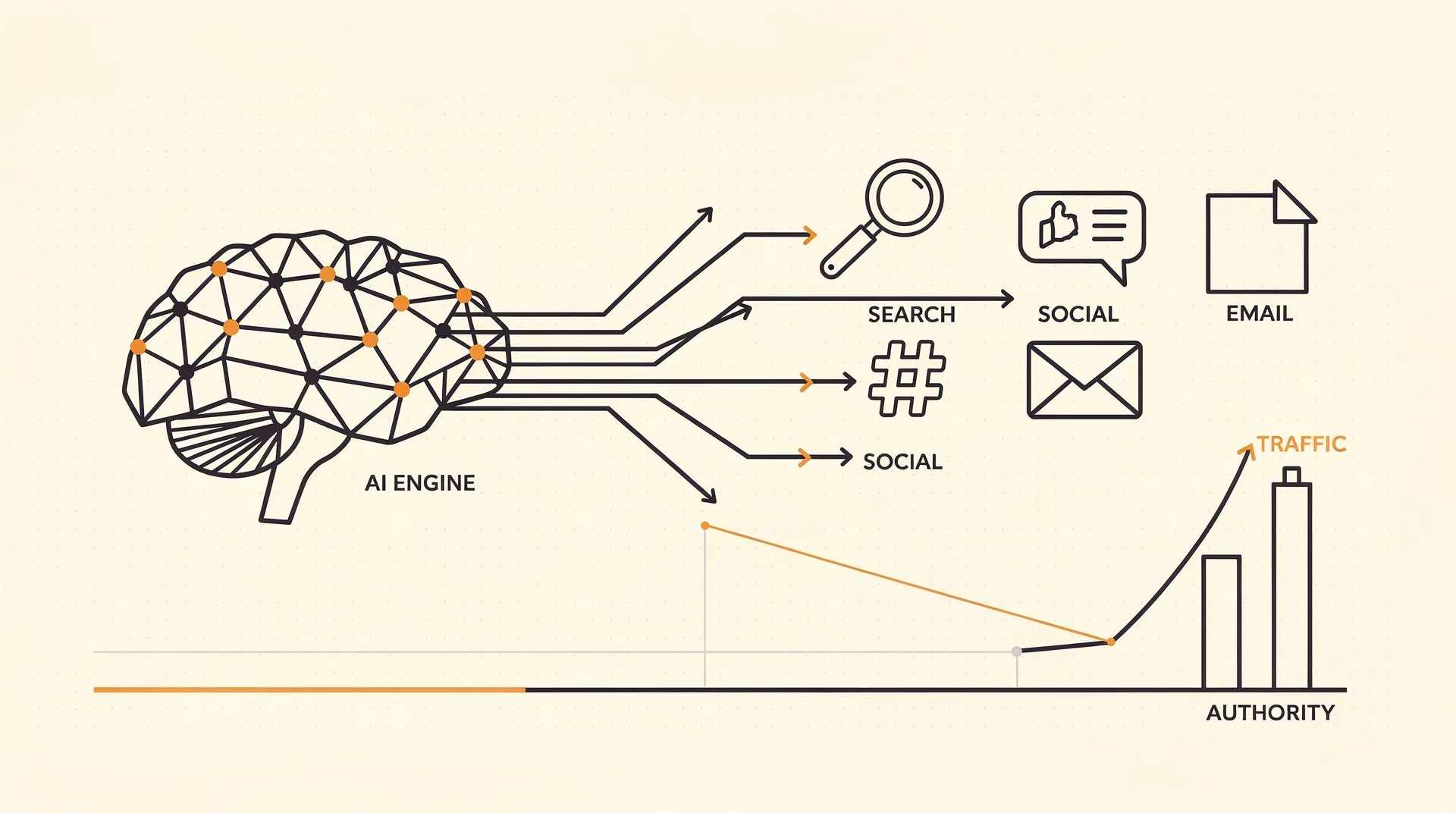
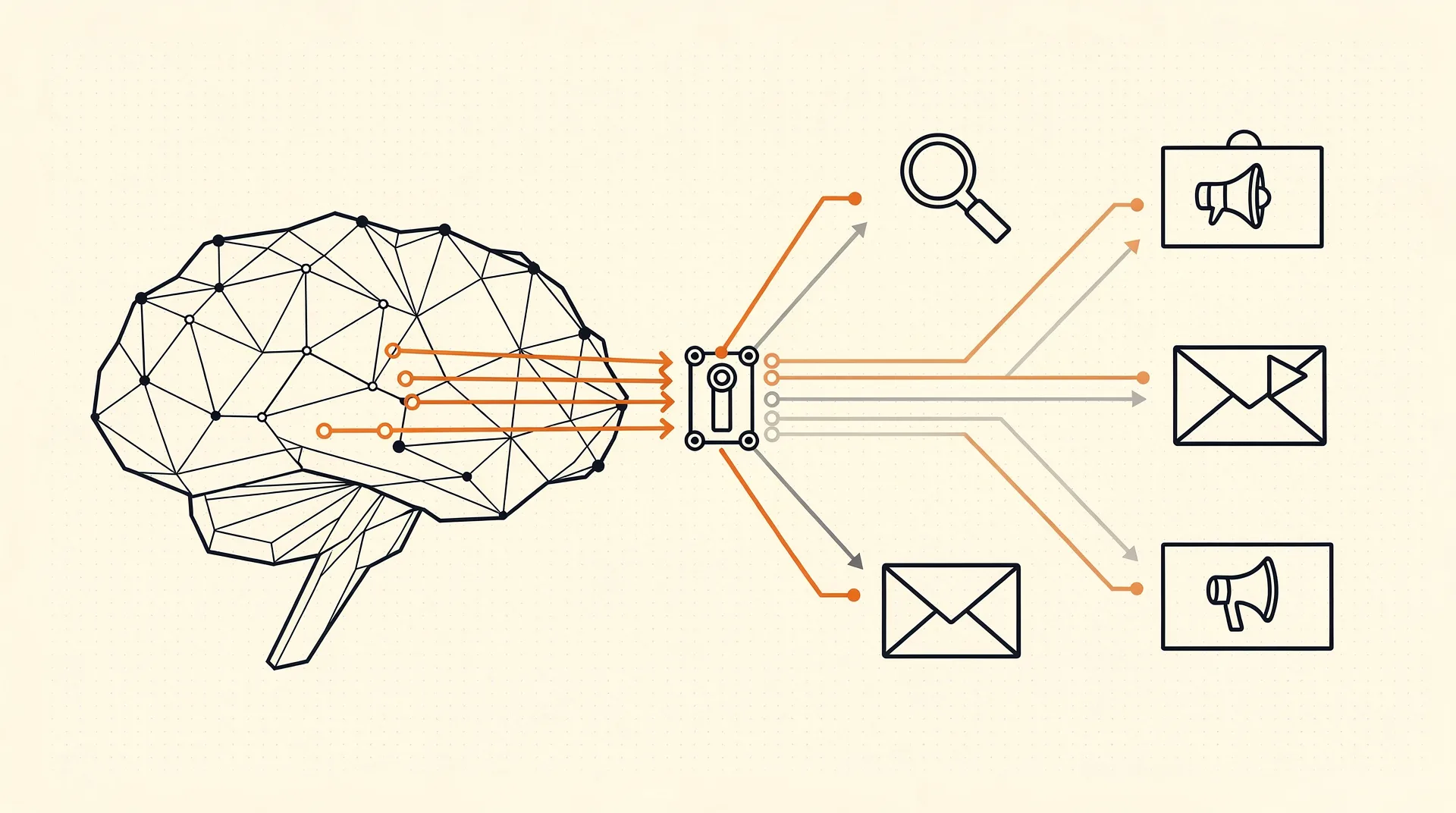
Your strategy must now account for the fact that visibility in AI summaries is imperative, not just a side effect. The goal is no longer just to rank; it is to be retrieved, trusted, and reused by generative systems. The click-through rate (CTR) for AI summaries is often lower, but the quality of those clicks is higher, converting better than traditional organic traffic. Therefore, you must tighten your brand positioning and ensure your content is “answerable” and citation-worthy.
The Hidden Agentic Traps: Tech, DMCA, and LLMS
Beyond the click narrative, two emerging technical threats are eroding real business pages and visibility.
First, the rise of agentic browsing audits in Chrome’s Lighthouse has introduced a new technical hurdle. The new audit checks your `llms.txt` file, but it treats the file as a markdown document. If your file does not use markdown link syntax (e.g., `text` instead of `text url`), you fail the audit, even if every link is accurate. This is a critical discrepancy: the file is served as plain text, but the audit demands markdown formatting. Marketers must update their `llms.txt` files immediately to include markdown links to avoid failing this new standard.
Second, fake DMCA complaints are actively erasing high-quality journalism and marketing content. Recent cases show that anonymous entities can remove live, original pages from Google’s search results based on spurious claims, even when the cited content is unrelated or deleted. This mechanism allows bad actors to silence legitimate reporting or competitive analysis instantly. Marketers must monitor their backlink profiles and search visibility for sudden takedowns and be prepared to file counter-notices to restore their pages.
The Practical Move: Your Action Plan for This Week
Given that the click drop is real quality loss and the agentic landscape is shifting, here is your single, high-impact move for this week:
Export your top 50 pages and run 10 representative AI prompts for each.
1. Identify Gaps: Note where AI cites your competitors or provides incomplete answers about your brand.
2. Build AI-First Clusters: Create one pillar topic and 3–6 supporting long-form pieces designed as “answerable units” (definitions, how-tos, case studies).
3. Structure for Ingestion: Rewrite the top of each key page to lead with a direct answer in the first 40–60 words under the H2. Add a one-sentence TL;DR and clear pull-quotes.
4. Amplify Signals: Publish high-quality comparisons on objective, third-party surfaces (like Wikipedia, Crunchbase, or industry directories) to ensure your brand facts are consistent across the training ecosystem.
The era of optimizing solely for keywords is dead. The new game is optimizing for retrieval and trust. By proving your content is authoritative and structurally sound, you ensure that when AI Overviews appear, your brand is the one cited, not just the one skipped.