The Playbook Has Been Rewritten
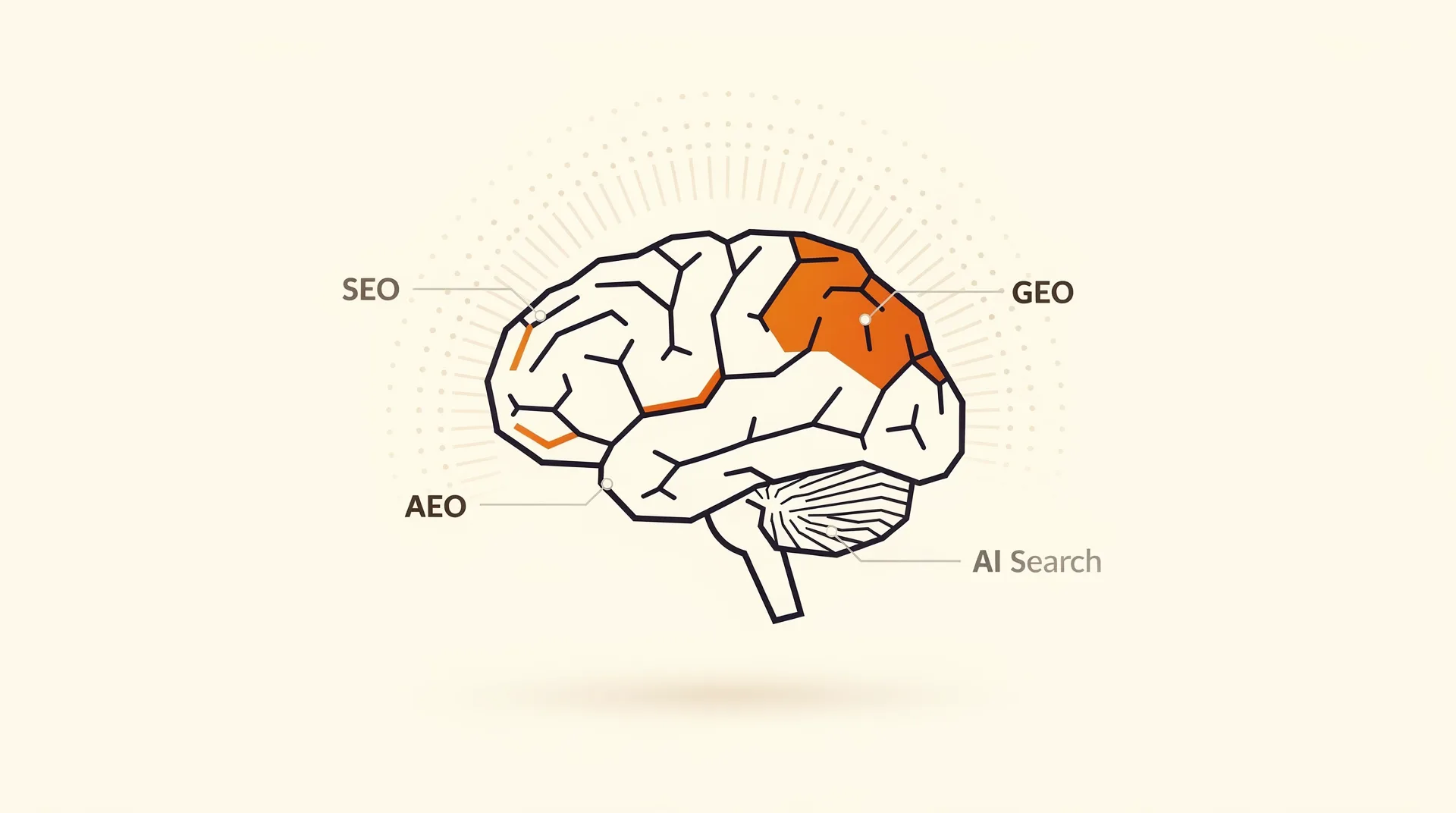
The fundamental shift in Search Engine Optimization is no longer theoretical; it is operational. We have moved from an era where algorithms ranked pages based on keywords to one where Artificial Intelligence engines synthesize answers based on authority, trust, and structured logic.
Three critical developments in the last month have cemented this reality. First, Cloudflare updated its AI crawler rules, introducing a default block on "Training" and "Agent" crawlers for sites displaying ads. This means websites can now actively prevent AI models from ingesting their content for training, forcing marketers to be intentional about where their data lives. Second, Google ended cache-served AMP pages, routing users directly to domain hosts rather than serving cached versions. This eliminates the "middleman" layer, demanding that your primary domain be the ultimate source of truth. Finally, Google's John Mueller flagged a failure in LCP optimization, revealing that browser mechanics often misidentify the "largest" element, proving that technical vitals alone cannot guarantee visibility if the content structure confuses the machine.
Why Marketers Must Pivot Now
This changing landscape matters because the "passive traffic" model is collapsing. AI Overviews and Answer Engines do not just link to pages; they lift sentences, tables, and data points to construct direct answers. If your content is buried in marketing fluff, lacks clear entity statements, or is blocked by crawler rules, you will not be cited.
The risk is not just a drop in clicks; it is a loss of brand inclusion. When an AI model generates an answer about "best ecommerce tools," it scans for neutral, factual data. If your site is blocked from training crawlers, your brand disappears from that dataset. If your content is disorganized, the AI cannot extract the "proof block" it needs to validate an answer.
Marketers must shift their focus from exact keyword matching to semantic intent. The goal is no longer to be the first link a human clicks, but to be the primary source an AI cites when answering a user's query. Success metrics must evolve from Click-Through Rate (CTR) to AI citations, brand mentions, and trust signals.
The Practical Move for This Week
You cannot overhaul your entire strategy overnight, but you can build one AI-ready asset this week. Follow this three-step checklist to create content that AI engines are designed to ingest:
1. Structure for Ingestion
Create a single long-form piece (pillar content) that addresses a specific user question. Do not write a wall of text. Break it down into
logical H2 and H3 chunks that act as "answerable units."
* Add a
TL;DR (TL;DR) summary at the very top.
* Include
pull-quotes and
summary boxes that AI can easily lift.
* Use
tables and bulleted lists for data, ranges, and comparisons. These are the "proof blocks" AI models prefer.
2. Define Your Entities
AI models need to tie facts to your brand explicitly. Avoid vague language.
* Write
: "Brand X, founded in 2015, offers [specific service]..."
* Ensure your
third-party validation (reviews, case studies, expert interviews) is prominent.
* Strip out marketing fluff. If a page is meant to be cited, lead with
facts, comparisons, and neutral data, not opinion.
3. Amplify Authority
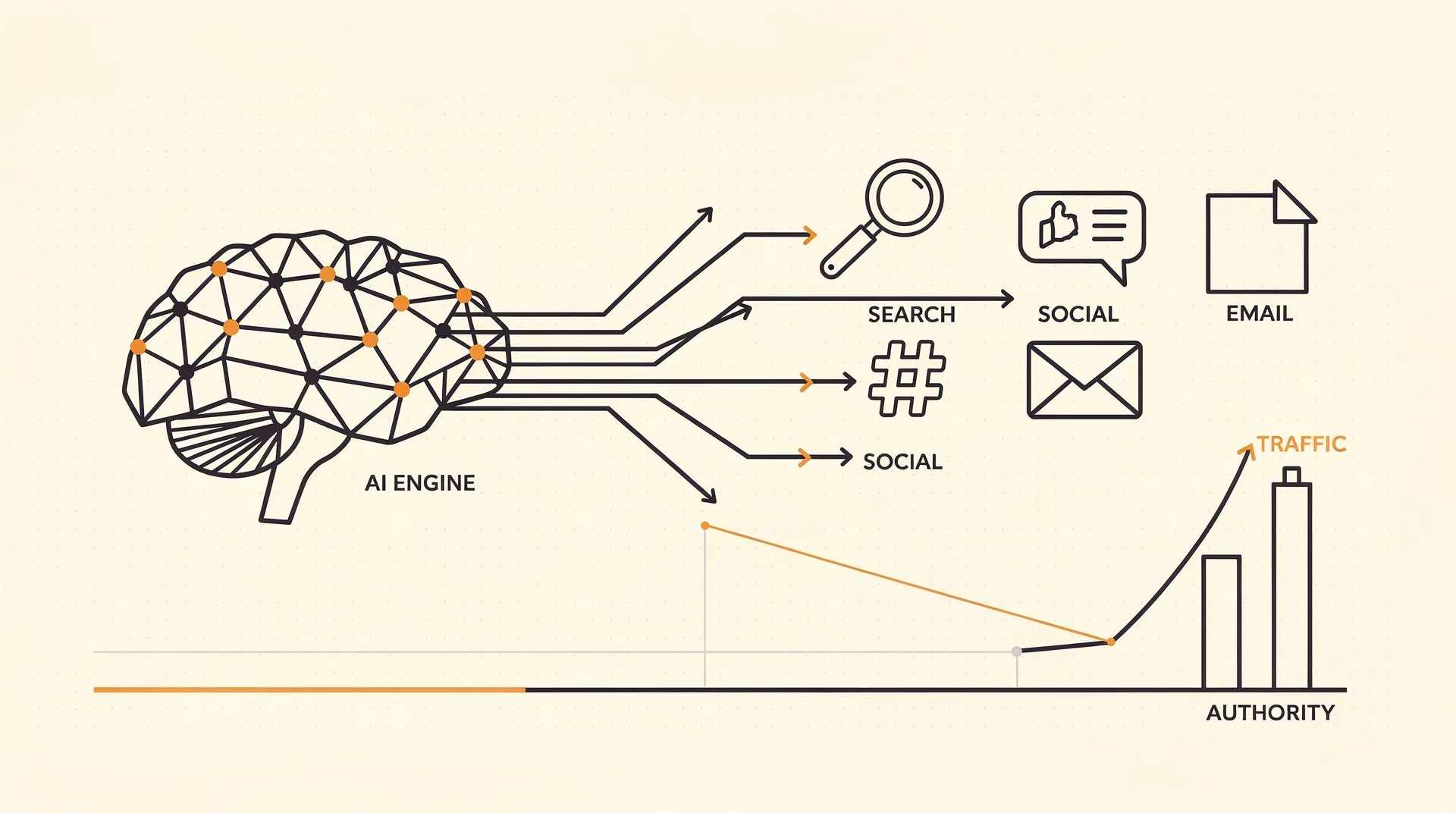
One page is not enough; you must ensure AI systems encounter your content across multiple domains.
*
Publish your pillar content and validate it with sample prompts (e.g., "What are the top ecommerce tools?").
*
Amplify via PR, guest posts, or forum Q&A to secure third-party citations.
* Seed your content in
training-adjacent surfaces like open datasets, GitHub repos, or public PDFs where your data is likely to be ingested.
The Bottom Line
The era of "SEO-only" is dead. The future belongs to AI-driven authority. By structuring your content for machine readability, defining your entities clearly, and amplifying your presence across neutral third-party platforms, you ensure your brand becomes the default source for AI answers. This week, build one asset that is not just optimized for humans, but engineered for ingestion. That is the only way to stay ahead in the new era of search.