Introduction to AI Search Optimization
Google's recent publication of a new documentation page, "Optimizing your website for generative AI features on Google Search,"
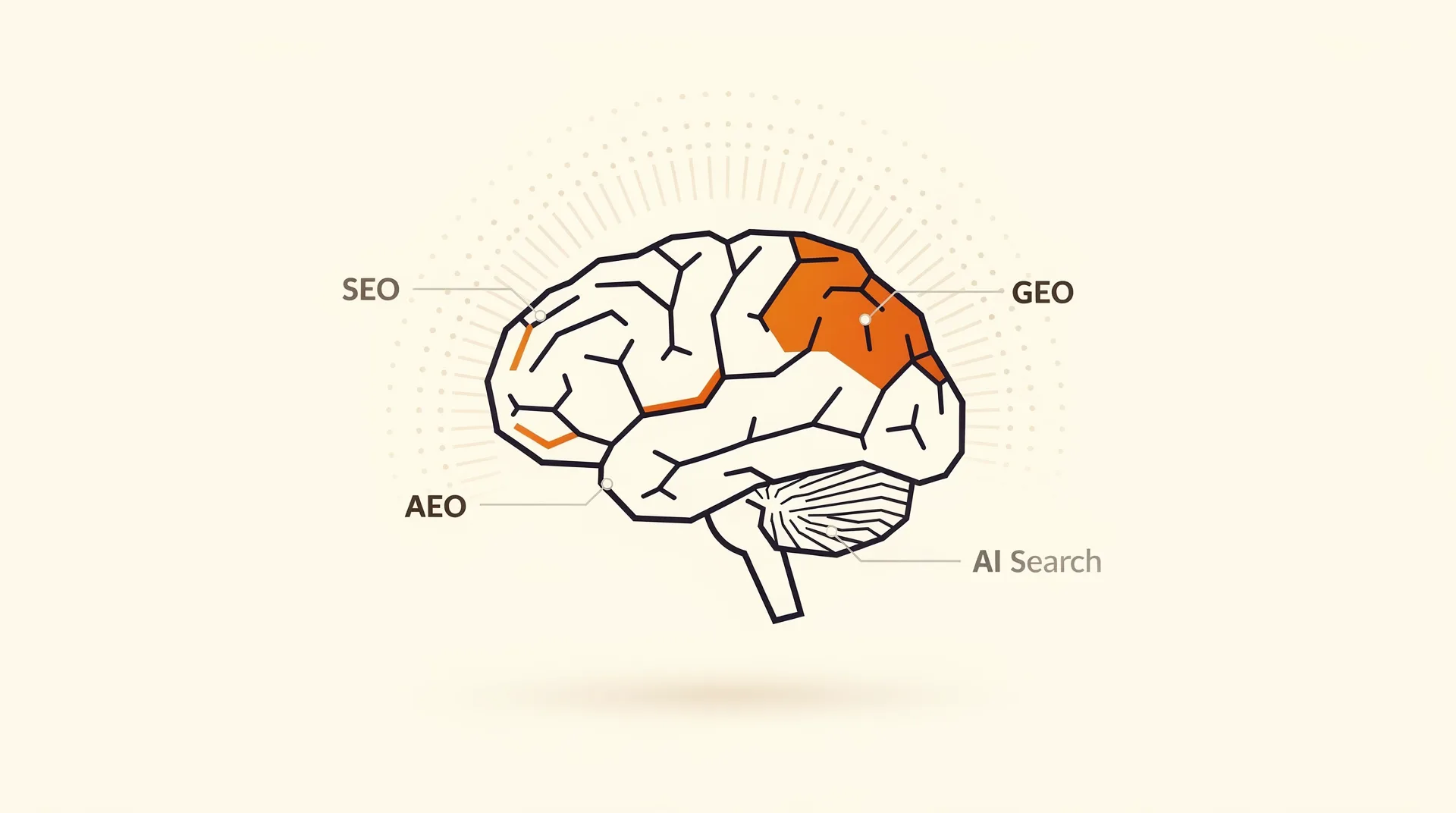
source has sparked a significant shift in the conversation around AI search optimization. The guide focuses on providing optimization advice and tactics for site owners, emphasizing that foundational SEO best practices remain relevant for generative AI search. This move has redefined the AEO (answer engine optimization) and GEO (generative engine optimization) conversation as part of standard SEO.
The Significance of Google's Stance on AEO and GEO
Google's direct statement that AEO and GEO are "still SEO"
source clarifies the terminology debate. This position echoes previous statements made by Google employees at conferences, such as Gary Illyes and Cherry Prommawin, who argued that GEO and AEO don't require separate frameworks. This clarification is crucial for marketers, as it simplifies the optimization process and eliminates the need for separate strategies.
The Impact of Schema Markup Removal on AI Search
The recent removal of FAQ rich results and the publication of a report by Ahrefs
source have weakened the common pitches for schema markup. The report found that adding JSON-LD didn't produce a clear citation lift across Google AI Overviews, AI Mode, or ChatGPT. This development indicates that schema markup may not be as crucial for AI search optimization as previously thought.
Meta's Business Identity Crisis
A recent guest essay by investigative journalist Julia Angwin
source highlights Meta's struggle to define its business. The company's trajectory, marked by six major pivots over 22 years, raises questions about its true business identity. Theodore Levitt's concept of "marketing myopia"
source suggests that companies fail because they define their business too narrowly. Meta's case serves as a cautionary tale for marketers, emphasizing the importance of understanding their target audience's needs and desires.
Practical Moves for Marketers
Given Google's new AI search guide and the removal of schema markup rewards, marketers should focus on the following practical moves:
* Review and optimize their website's content for generative AI features, focusing on foundational SEO best practices.
* Reassess their schema markup strategy, considering the diminished returns on investment.
* Prioritize understanding their target audience's needs and desires, avoiding the pitfalls of marketing myopia.
Conclusion
Google's recent moves have significantly impacted the AI search optimization landscape. By redefining AEO and GEO as part of standard SEO, Google has simplified the optimization process for marketers. The removal of schema markup rewards and Meta's business identity crisis serve as reminders of the importance of understanding target audiences and adapting to changing market conditions. As marketers navigate this new landscape, they must prioritize foundational SEO best practices, reassess their schema markup strategies, and focus on delivering value to their target audiences.