Introduction to AI SEO Visibility
The way marketers approach AI SEO visibility is changing. With the rise of AI-powered search engines, marketers are facing new challenges in getting their brand's content seen by users
source. The typical response to a brand's declining visibility in AI search is to create more content, but this approach is often misguided.
The Three Layers of AI Visibility
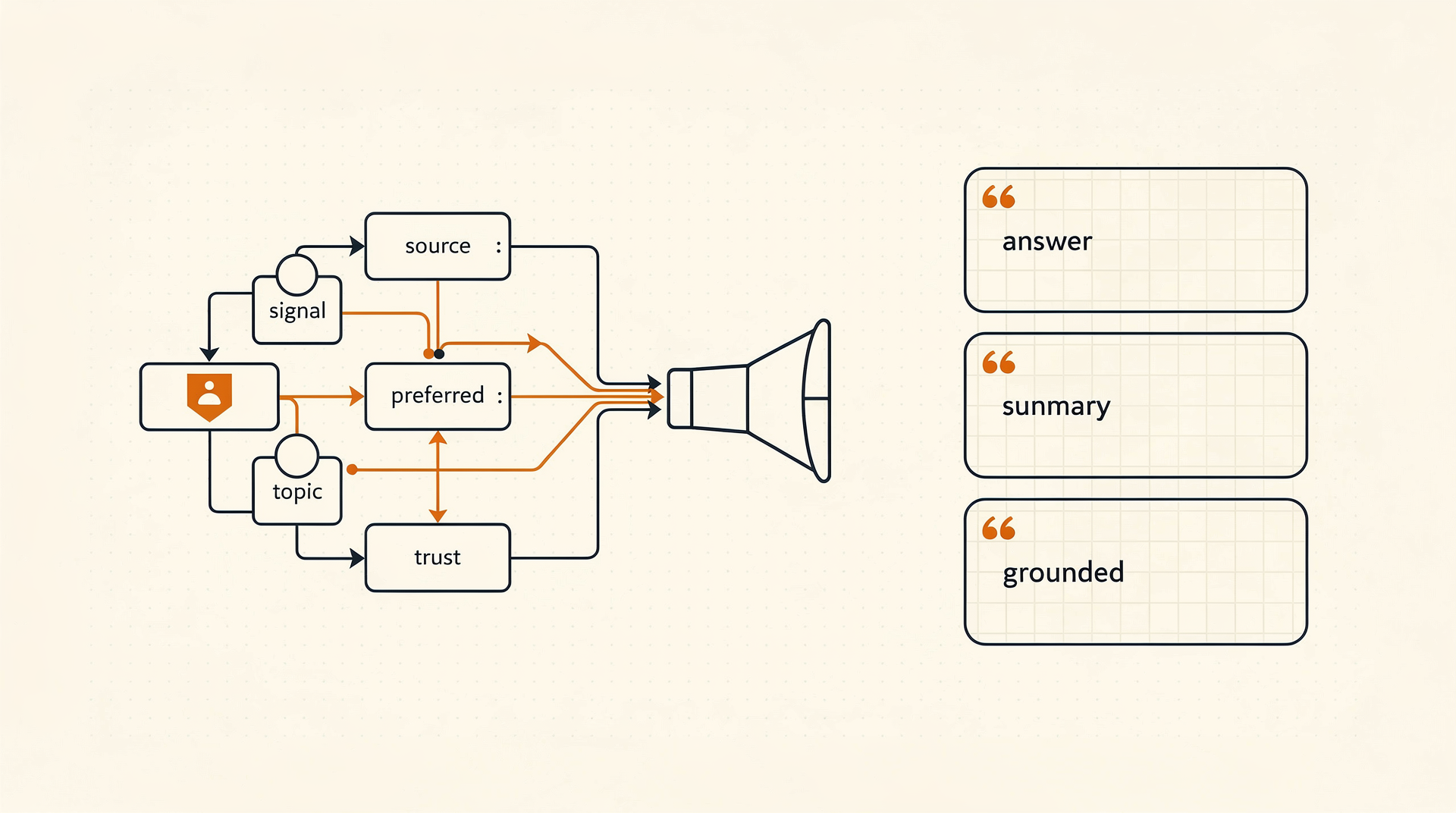
There are three structurally different layers between a brand's content and the answer a user receives: retrieval, ranking, and presentation. Each layer has its own failure modes, fixes, and organizational owner. Diagnosing the wrong layer can lead to ineffective solutions and wasted budget
source.
Retrieval Layer
The retrieval layer is where the AI search optimization conversation has spent most of the last two years. This layer is responsible for pulling relevant material from external sources and using that material to construct the response. The technical name is retrieval-augmented generation, or RAG. Crawlability, parseability, and content quality are all important factors in this layer.
Ranking Layer
The ranking layer is where the AI model ranks the retrieved content to determine the most relevant answer. This layer is complex and multifaceted, with many factors influencing the ranking, including direct traffic, popularity, and content quality. However, it's essential to distinguish between correlation and causation, as direct traffic is often considered a symptom of good performance, not a primary driver of search rankings
source.
Presentation Layer
The presentation layer is where the AI model presents the answer to the user. This layer is critical in determining the user experience and the brand's visibility. With the rise of AI-powered chatbots, such as ChatGPT, Gemini, and Claude, the presentation layer is becoming increasingly important.
Google Analytics Update
Google Analytics has added an "AI Assistant" default channel group for traffic from recognized AI chatbot referrers, making it easier for marketers to track and analyze AI-generated traffic
source. This update allows marketers to monitor how generative AI impacts their business, track user clicks, and compare AI-generated traffic to traditional channels like organic search.
Practical Move for Marketers
To improve their brand's AI SEO visibility, marketers should focus on creating high-quality, relevant content that is optimized for the retrieval layer. They should also monitor their brand's performance in AI-powered search engines and adjust their strategy accordingly. Additionally, marketers should take advantage of Google Analytics' new AI Assistant default channel group to track and analyze AI-generated traffic.
Conclusion
Treating AI visibility as one problem when it's actually three structurally different layers can lead to wasted budget and missed quarters. Marketers need to understand the complexities of AI SEO visibility and adjust their strategy to optimize for each layer. By creating high-quality content, monitoring performance, and leveraging Google Analytics' new features, marketers can improve their brand's visibility in AI search and stay ahead of the competition.