What Changed in AI SEO
AI search engines like Google AI Overviews and LLMs shifted SEO from keyword optimization to content that machines parse and trust. Traditional keyword stuffing cedes ground to structured, semantically rich formats. source notes AI systems prefer clear product pages, Q&As, reviews, and comparisons over isolated keywords. Webflow reports SEO specialists now prioritize architecture—hierarchies, formatting, schema—optimizing simultaneously for search, AI, and voice. source
This pivot matters because AI pulls direct answers from retrievable, credible sources, bypassing top-of-page rankings. Search Engine Land warns "it's just SEO" misses this: generative systems demand content engineered for retrieval, trust, and reuse. source Marketers ignoring structure risk invisibility as LLMs cite competitors with cleaner signals.
Why Marketers Must Adapt Now
Enterprise CMOs rank scaling AI content as the #1 priority for AI visibility, per Conductor’s 2026 State of AEO/GEO report surveying 250+ leaders. source Yet experts caution: mass AI output without human oversight fails. Aleyda Solis stresses personalized workflows blending brand insights and first-party data. Eli Schwartz predicts 2026 LLM updates mirroring Google's Helpful Content crackdown on low-quality scale.
For B2B marketers, stakes heighten. AI favors authoritative, entity-linked facts—your brand's "One Company Model" made machine-readable. source Inconsistent profiles across Wikipedia, Crunchbase, and directories create noise; unified facts build pattern recognition. Failure means competitors dominate AI narratives.
Core Tactic 1: Master Content Structure
Build AI-friendly skeletons. Start with short intros (2-3 lines), direct answers under headers, bulleted steps, and TL;DRs that excerpt standalone. source Use question-based H2/H3: "What is...", "How does...", "Why...". Kn Digital advocates "answerable units"—definitions, how-tos, case studies—in topic clusters: one pillar, 3-6 supports. source
Enhance scannability: tables, pull-quotes, summary boxes. Pair claims with sourced stats; strip fluff from evidence paragraphs. Typeface emphasizes plain language, visuals, charts for AEO. source Aim for topical authority: 20-30 articles emerging, 200+ dominant. source
Core Tactic 2: Deploy Structured Data Everywhere
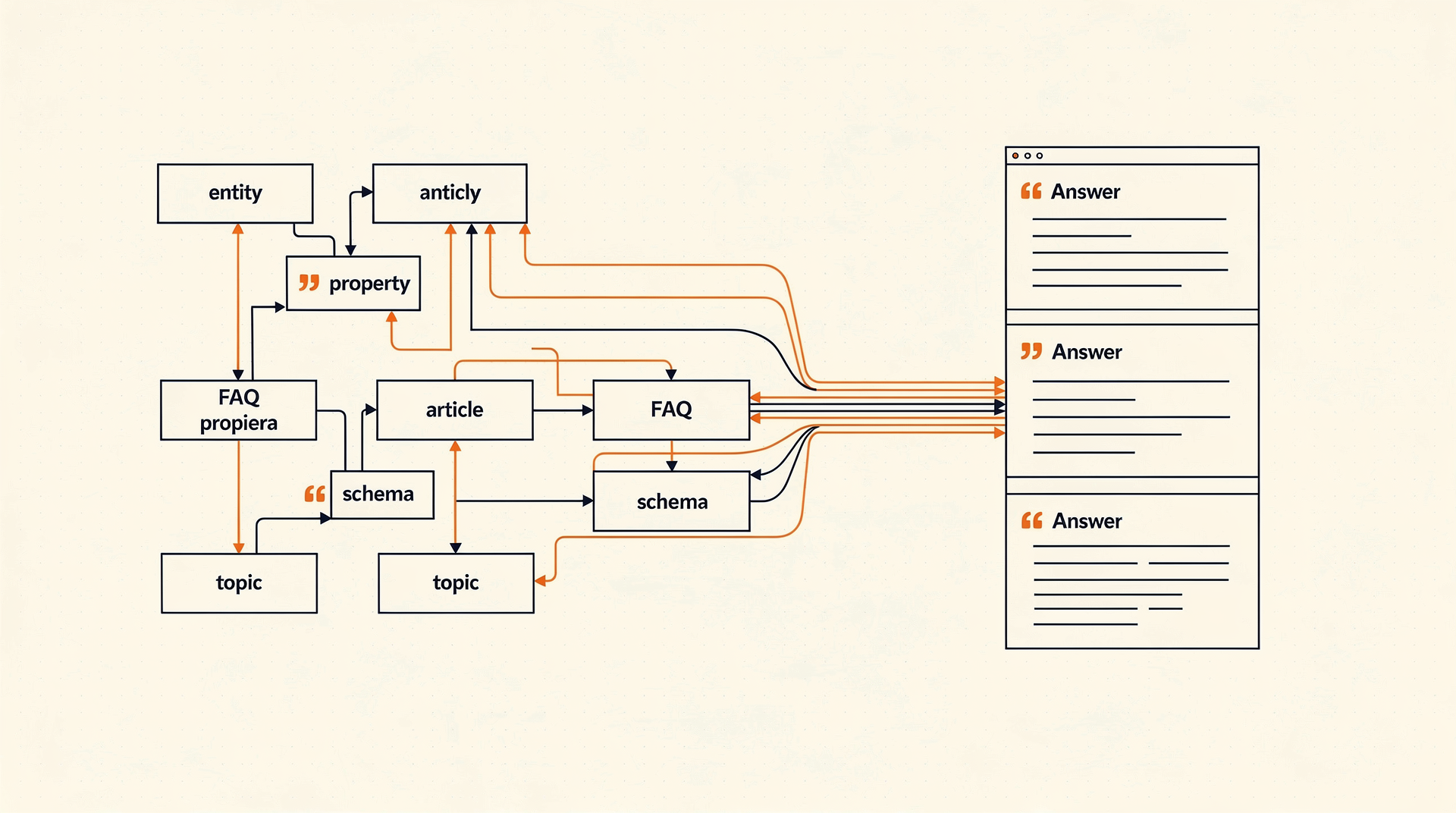
Schema is non-negotiable. Implement Article, Organization, Person, FAQ/QAPage via schema.org; validate with tools. source source Webflow pushes auto XML sitemaps, semantic HTML, global hosting. source
Package facts machine-readably: tables for numbers, glossaries, checklists. Explicit entities: "Brand X, founded 2015, serves Y." Seed high-authority surfaces—forums, repos, PDFs—for training data. source
Core Tactic 3: Amplify Authority Signals
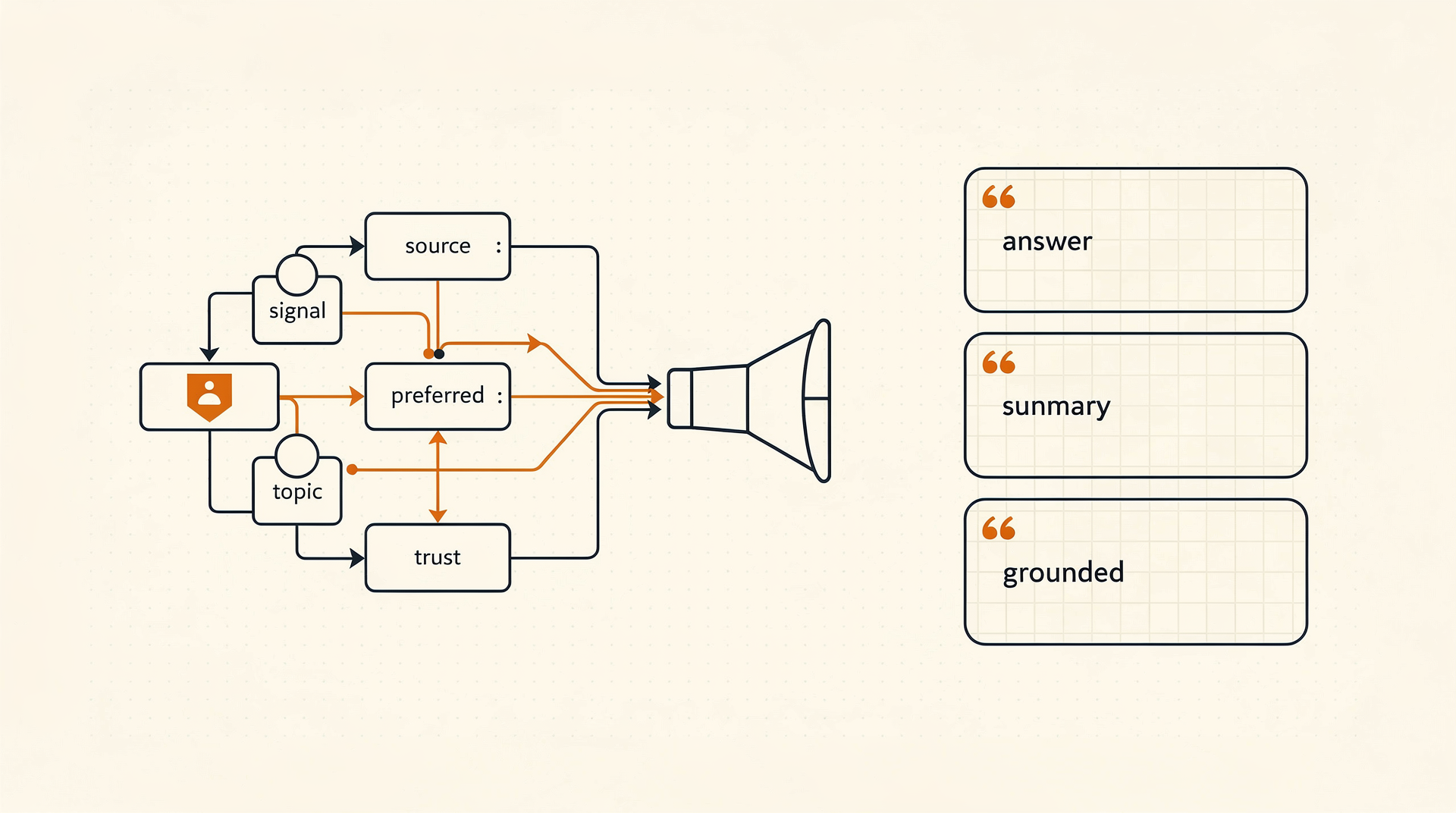
Originality trumps volume. Create citation assets: surveys, expert interviews, case studies. source source Amplify via PR, guests for multi-domain mentions. Track LLM citations alongside KPIs; deploy workflows: ideation, research, drafting, QA. source
Local plays: authoritative pages with schema, reviews for AI local answers. source
Your Week 1 Action: Publish One AI-Ready Page
Pick a core topic. Map 5-10 questions, comparisons, intents. source
1. Draft: TL;DR, 2-3 pull-quotes, H2 answers, schema.
2. Add: Original data/quote, 3-8 contextual links.
3. Validate: Test 10 prompts; refine.
4. Amplify: Share one guest/PR channel.
Conductor data shows scaling succeeds with this hybrid: AI drafts, human expertise. Hubspot concurs—AI saves time, humans build trust. source Measure citations; iterate. This positions you for 2026's AI-dominant SERPs—structured, authoritative, cited.