What changed
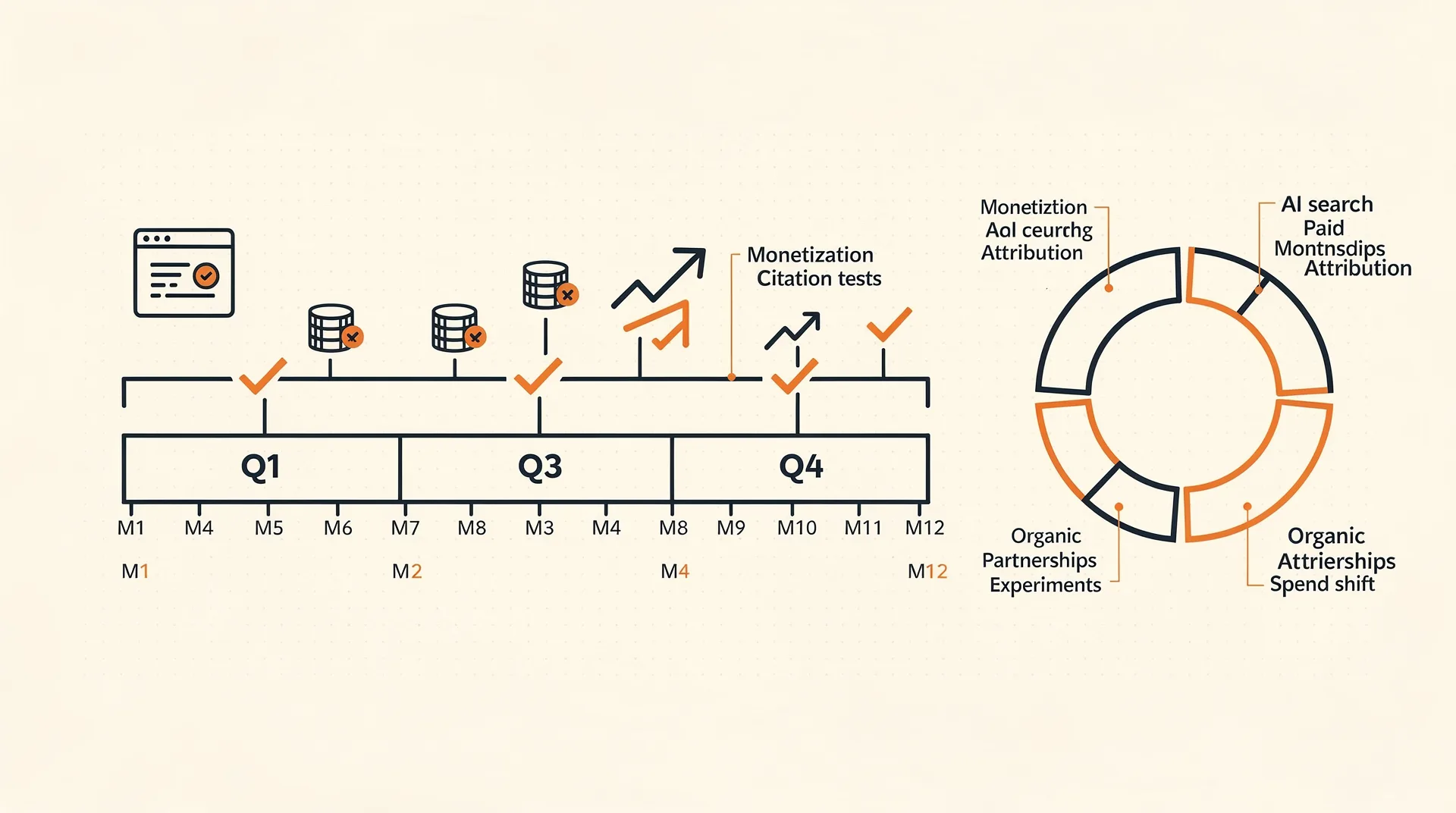
Two related shifts matter right now: platforms are drawing harder lines around what qualifies for monetization, and AI search is becoming measurable in ways that let marketers test cause and effect instead of guessing. YouTube has clarified that repetitive content, off-putting/shock content, and AI personas in sensitive topics can make channels ineligible to earn money, while stressing that these rules govern revenue eligibility rather than whether videos stay online.[YouTube Explains What Can Stop A Channel Getting Paid] AI search measurement is also moving from vanity visibility toward testable performance, with split testing and page-level analysis used to determine whether a content change actually increased citations.[AI Search is Working. How to Prove It With Real Tests.]
That combination signals a broader market correction: AI systems are rewarding clearer structure, stronger provenance, and less templated content, while platforms are getting less tolerant of low-effort production at scale.[SEO Trends 2026: Developing Strategies for the AI Era] [2026 SEO Trends: Visibility & Growth in the Age of AI]
Why it matters for marketers
For marketers, the practical implication is not “AI replaces SEO” or “video is dead.” It is that distribution now depends on two separate gates: eligibility and discoverability. You can publish content that stays live, yet still lose monetization if it looks generic or manipulative; you can also win AI visibility only if the underlying page is structured enough for systems to cite it.[YouTube Explains What Can Stop A Channel Getting Paid] [AI Browsers Are Backward Because Agents Never Needed The Visual Layer]
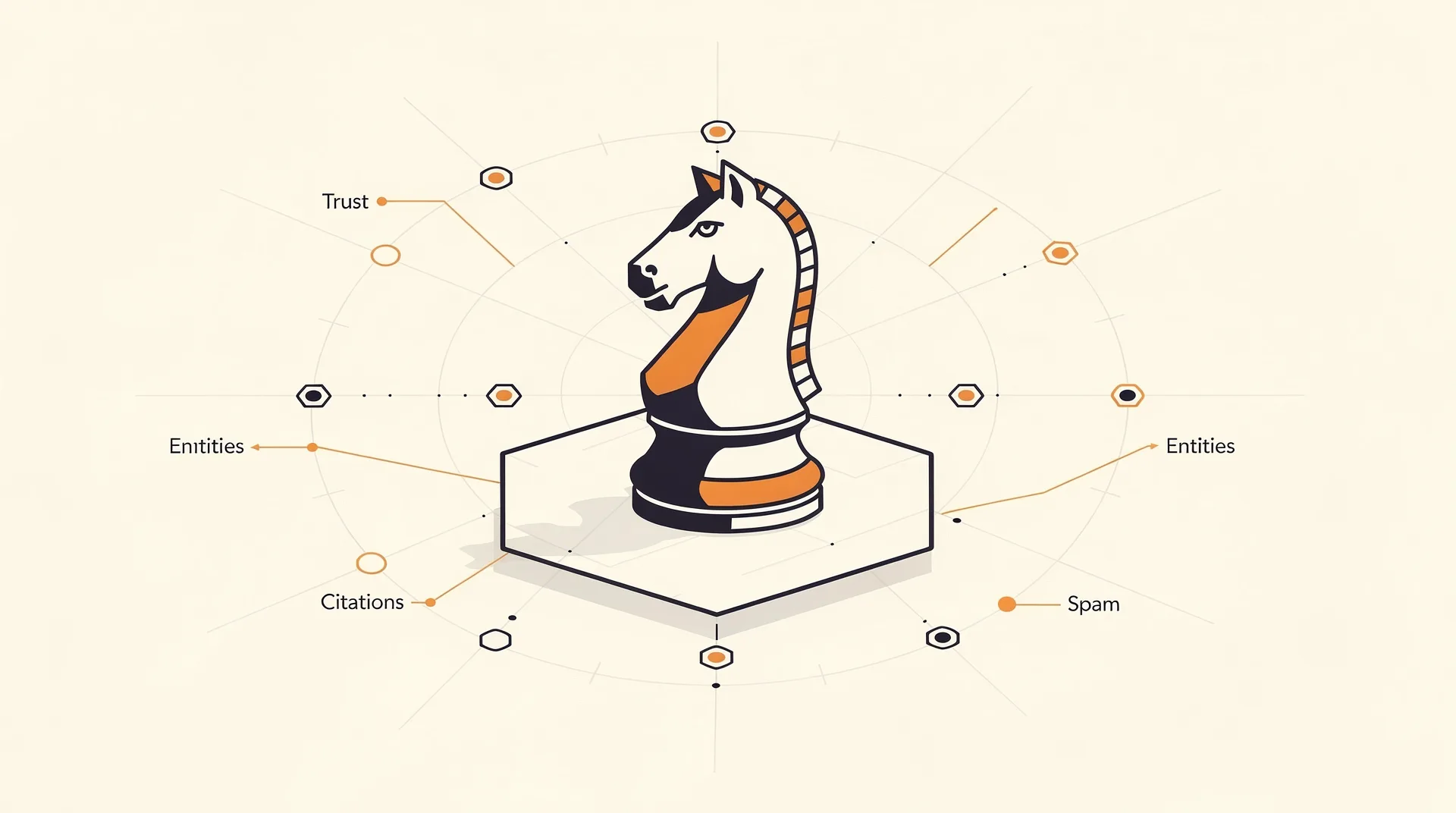
That is why AI SEO has shifted away from chasing isolated keywords and toward building content that is entity-rich, information-dense, and easy for machines to parse. Multiple 2026 trend roundups converge on the same point: topical authority, structured data, trust signals, and original information are becoming the dominant inputs for AI visibility.[SEO Trends 2026: Developing Strategies for the AI Era] [2026 SEO Trends: GEO, LLMO & AEO for AI Visibility] [8 AI Search Trends That Will Define Your 2026 Strategy]
There is also a strategic warning in the YouTube policy update: mass-produced sameness is increasingly a liability. That matters beyond video because the same pattern shows up in AI search, where shallow templated pages are less likely to earn citations than pages with unique data, clearer answers, and explicit subject-matter depth.[YouTube Explains What Can Stop A Channel Getting Paid] [2026 SEO Trends: Visibility & Growth in the Age of AI]
The new operating model
The clearest editorial takeaway is that AI search optimization is becoming a measurement discipline, not a vibe. The strongest evidence described in the webinar recap came from split testing: add a FAQ section, see citations rise; remove it, see citations fall. That is the kind of causal proof most teams lack today.[AI Search is Working. How to Prove It With Real Tests.]
In parallel, Google’s new Search Console reporting for AI Overviews and AI Mode gives teams a first-party way to see when URLs appear in AI surfaces, which should make AI visibility easier to track at the page level.[AI Search is Working. How to Prove It With Real Tests.] That does not eliminate the need for third-party monitoring, but it does shift the baseline from impression proxies toward actual appearance data.
This is where marketers need to update their mental model. Traditional SEO asked whether a page could rank. AI SEO asks whether a page can be retrieved, trusted, and cited. The winning content format is increasingly the one that answers a discrete question cleanly, uses descriptive structure, and contains facts that are hard to hallucinate or paraphrase away.[SEO Trends 2026: Developing Strategies for the AI Era] [AI Browsers Are Backward Because Agents Never Needed The Visual Layer]
What to do this week
Start with one high-value page and run a visibility experiment instead of a broad refresh. Pick a page that already matters commercially, add or tighten one structured element such as a FAQ block, summary table, or clearer answer lead, then compare citation behavior before and after across AI surfaces.[AI Search is Working. How to Prove It With Real Tests.] The goal is not just more traffic; it is evidence of which on-page changes improve inclusion in AI answers.
At the same time, audit your content for genericness. If a page could belong to any competitor with minimal editing, it is probably vulnerable. Replace boilerplate with original examples, distinctive data, named expertise, and tighter topical scope.[2026 SEO Trends: Visibility & Growth in the Age of AI] [SEO Trends 2026: Developing Strategies for the AI Era]
For teams publishing video or creator-led content, review monetization risk separately from editorial risk. Make sure repetition is not the default format, avoid sensational packaging that veers into off-putting content, and be especially careful with AI personas in sensitive-topic categories.[YouTube Explains What Can Stop A Channel Getting Paid] If your production model depends on repetition or synthetic presenters, the policy update is a reminder to build more human editorial value into the asset itself.
The editorial bottom line
The market is rewarding content that is both machine-readable and human-defensible. That means clearer structure, more original substance, and more rigorous proof that changes drive outcomes.[SEO Trends 2026: Developing Strategies for the AI Era] [AI Search is Working. How to Prove It With Real Tests.]
If you make one move this week, make it this: choose one important page, add one genuinely informative structural element, and test whether AI citations move. In 2026, that is a more credible optimization play than publishing another generic article and hoping the model notices.