What Changed: The End of the Traffic-Only Game
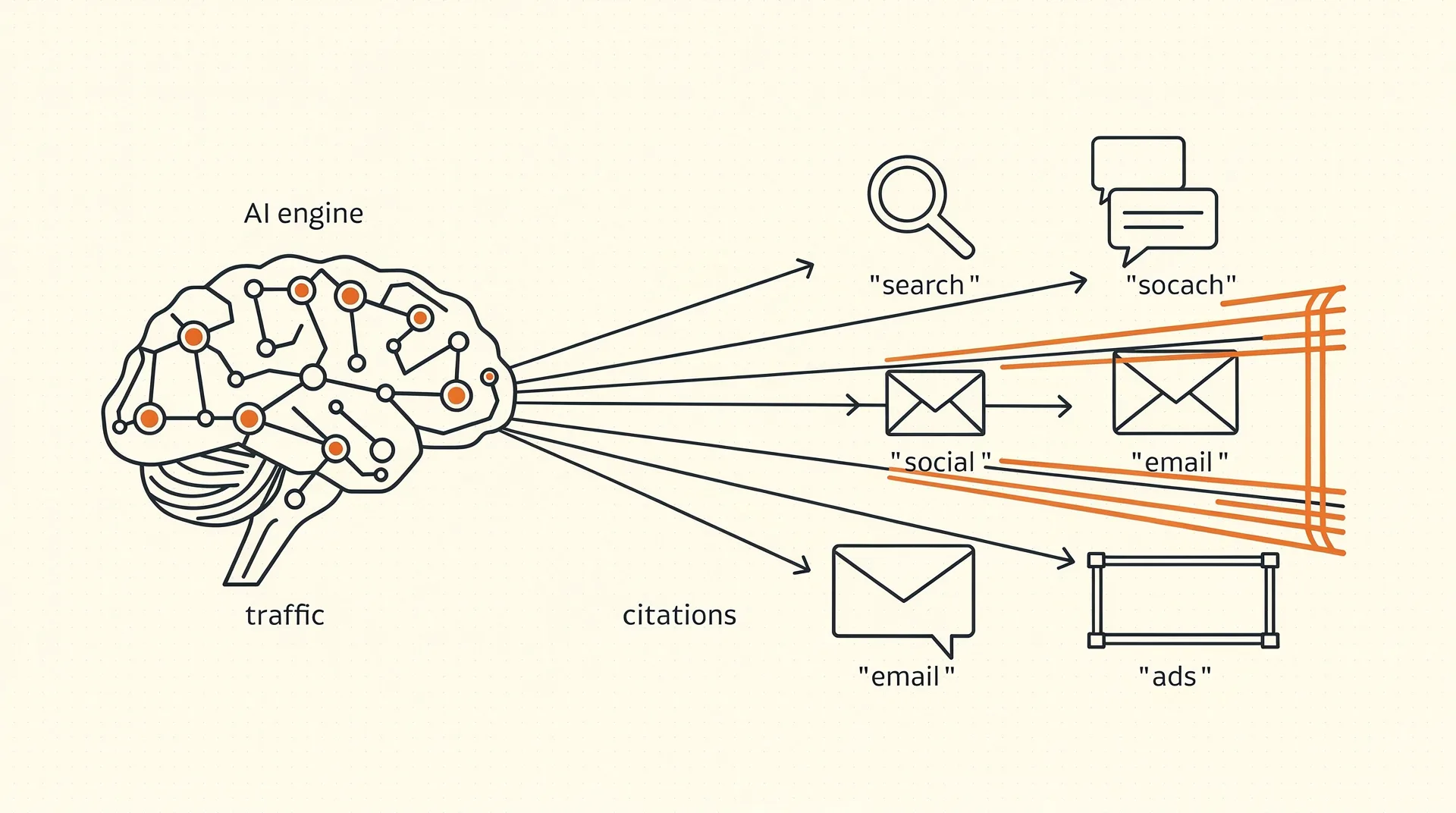
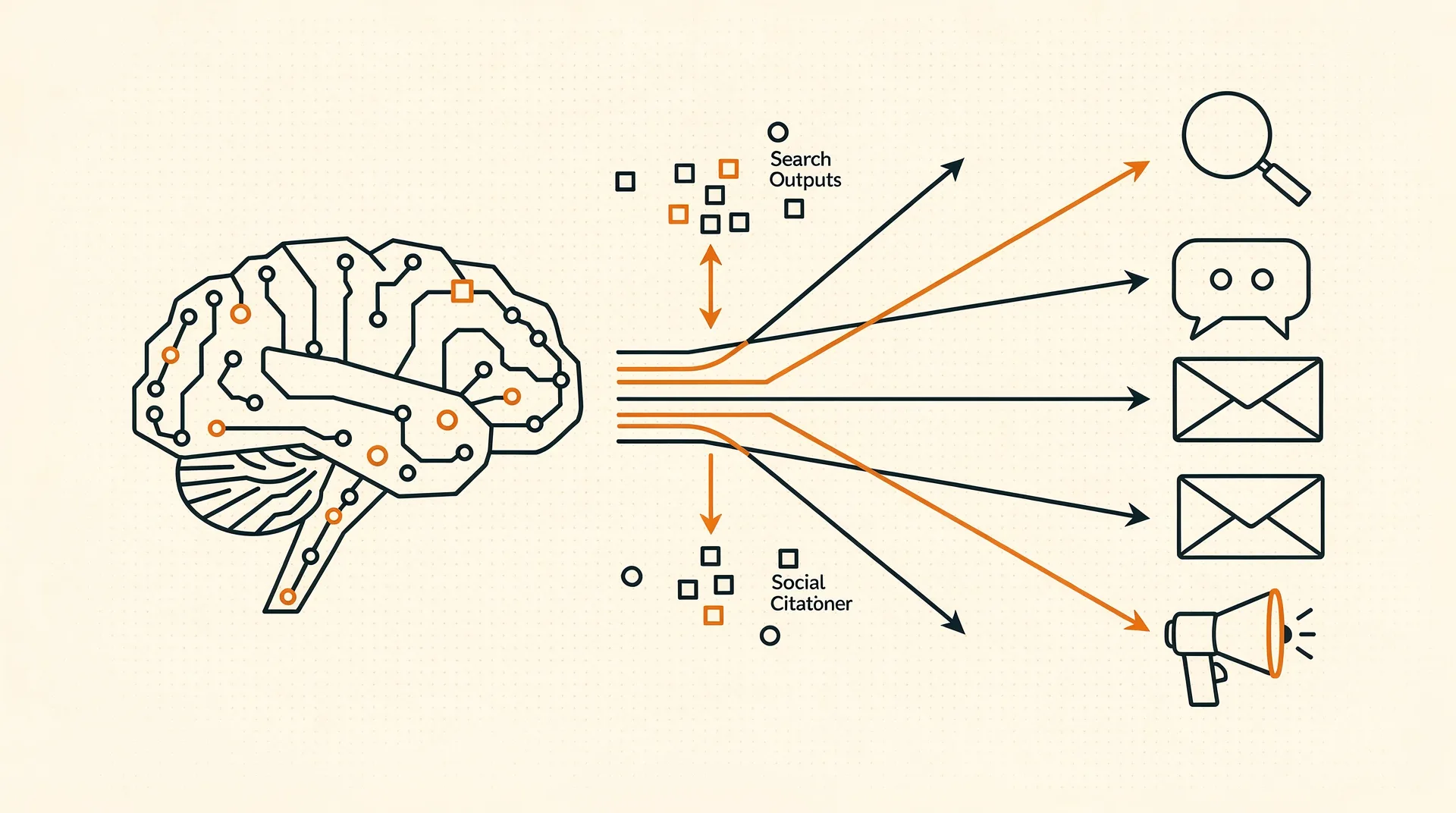
The era of optimizing solely for keyword rankings and click-through rates has effectively ended. With the launch of AI Overviews and the proliferation of answer engines, the primary objective for marketers has shifted from capturing traffic to earning citations. AI models do not just link to pages; they synthesize information, and if your content isn't cited as a source of truth, it becomes invisible to the machine.
This structural shift is compounded by Google's recent governance stance. In a policy paper released on June 25, Google defended AI training as fair use, characterizing the training of models on publicly available web data as a "transformative, non-expressive use." While Google highlights opt-out controls like `Google-Extended` and existing copyright laws as solutions, the implication for publishers is stark: the default is to ingest content unless explicitly barred. The battleground is no longer just about who ranks first; it's about who is deemed authoritative enough to be the "proof block" inside an AI answer.
Why It Matters: The Rise of the "Citation Trap"
The urgency for marketers stems from a dangerous new industry trend: the manufacturing of citation signals. Because AI models cite Reddit more heavily than almost any other source right now, a shadow industry has emerged to fake these citations. Companies are buying aged accounts, paid upvotes, and ghostwritten threads to spam subreddits like r/Biohackers, creating the illusion of community consensus for their products.
As Buying Reddit To Win AI Citations Is The New Link Farm details, this is a citation surface you can buy, and therefore, a surface that will be filtered. When the platforms update their algorithms to detect manufactured engagement, the brands that leaned on these shortcuts will vanish from AI answers entirely. This "citation trap" proves that the shortcut to AI visibility is a fleeting illusion. The only sustainable path is the "unglamorous real work" of generating genuine, high-quality content that models naturally want to cite.
The Power of Personalization and Niche Authority
Contrary to the fear that personalization makes small publishers invisible, Google's Head of Search, Liz Reid, argues the opposite. In a recent interview, Reid stated that personalization can help small publishers by acting as a discovery path for niche audiences. Generic, unpersonalized search results tend to make everyone see the same big brands. However, when search engines utilize detailed signals about user preferences, they "push more into the tail," surfacing specialist reviewers and small merchants that match specific needs.
This means that for AI SEO, being a "generalist" is a liability. The models are increasingly designed to surface creators and journalists who focus on specific, hard-to-match subjects. If your content is generic, it will be drowned out. If it is deeply specialized and resonates with a specific user intent, personalization engines will prioritize it in AI answers.
The Practical Move to Make This Week
marketers must immediately pivot from broad keyword strategies to citation-quality architecture. Here is your actionable plan for this week:
1. Export and Audit Your Top 50 Pages
Identify your most critical content. Run representative AI prompts for each page to see how the models currently treat your information. Note where AI cites competitors instead of you, or where it provides incomplete answers. This audit reveals your "citation gaps."
2. Build "Answerable Units"
AI models love content that is easy to synthesize. Transform your long-form articles into
answerable units.
*
Structure: Use clear H2/H3 headers for specific questions (e.g., "How does X work?" or "What is the cost of Y?").
*
TL;DR: Add a one-sentence summary at the very top of every section.
*
Data: Include tables, bulleted comparisons, and checklists. AI models can easily lift these as "proof blocks."
*
Neutrality: Strip marketing fluff. If you want your content to be cited, it must read like an objective definition or case study, not a sales pitch.
3. Create and Amplify Citation-Worthy Assets
Stop relying solely on your own domain. Create original data, expert interviews, or unique case material that serves as a primary source.
*
Seed the Data: Publish these assets in neutral, public locations (Wikipedia, GitHub, open datasets) where models learn their base facts.
*
Earned Media: Use PR and guest posts to get third-party sites to cite your original data. When an AI narrative cites a third-party site that references your data, you gain authority across the network.
4. Optimize for "Semantic HTML"
Ensure your content is chunked correctly. Use semantic HTML tags and internal linking strategies that map directly to topic clusters, not just keywords. AI models "chunk" content to access it; if your headers are messy, you become invisible.
The rule of the new era is simple: optimize for bots, but write for humans. If the information itself warrants structured data and serves a clear user intent, the AI will find it. The shortcut is dead; the only way forward is depth, specificity, and undeniable authority.