Google Ads has officially mandated disclosure for any ad created or edited with generative AI, a shift that turns creative transparency from a best practice into a compliance requirement starting July 9, 2026. This isn't just about labeling; it's about survival. Unlabeled AI content is now treated as misrepresentation, carrying the same penalty severity as fake testimonials or fabricated credentials, which can lead to immediate ad disapproval and potential account suspension. For marketers, the window to update review processes and audit creative stacks is effectively closed; the practical move this week is to manually flag every third-party AI asset in Google Ads before the next campaign launch.
What Changed: The Two-Tier Disclosure System
The core of this update is a two-tier system that distinguishes between Google’s native tools and the broader ecosystem of third-party AI. If your team uses Google’s generative AI advertising tools, the disclosure is automatic; the platform tags the ad with an "AI Generated" indicator or adds it to the "How this ad was made" section without human intervention.
However, if you rely on external tools like Midjourney, Adobe Firefly, Runway, ElevenLabs, or any other third-party creative platform, the burden shifts entirely to you. You must manually self-disclose using a new control inside Google Ads. This control, located in the "Manage AI label" settings, allows you to select assets and declare them as "created or edited with AI". Crucially, Google performs no independent verification for these third-party claims; the system relies on advertiser honesty, making documentation of your tool stack a legal necessity.
Why It Matters: Traffic Shifts and Trust Deficits
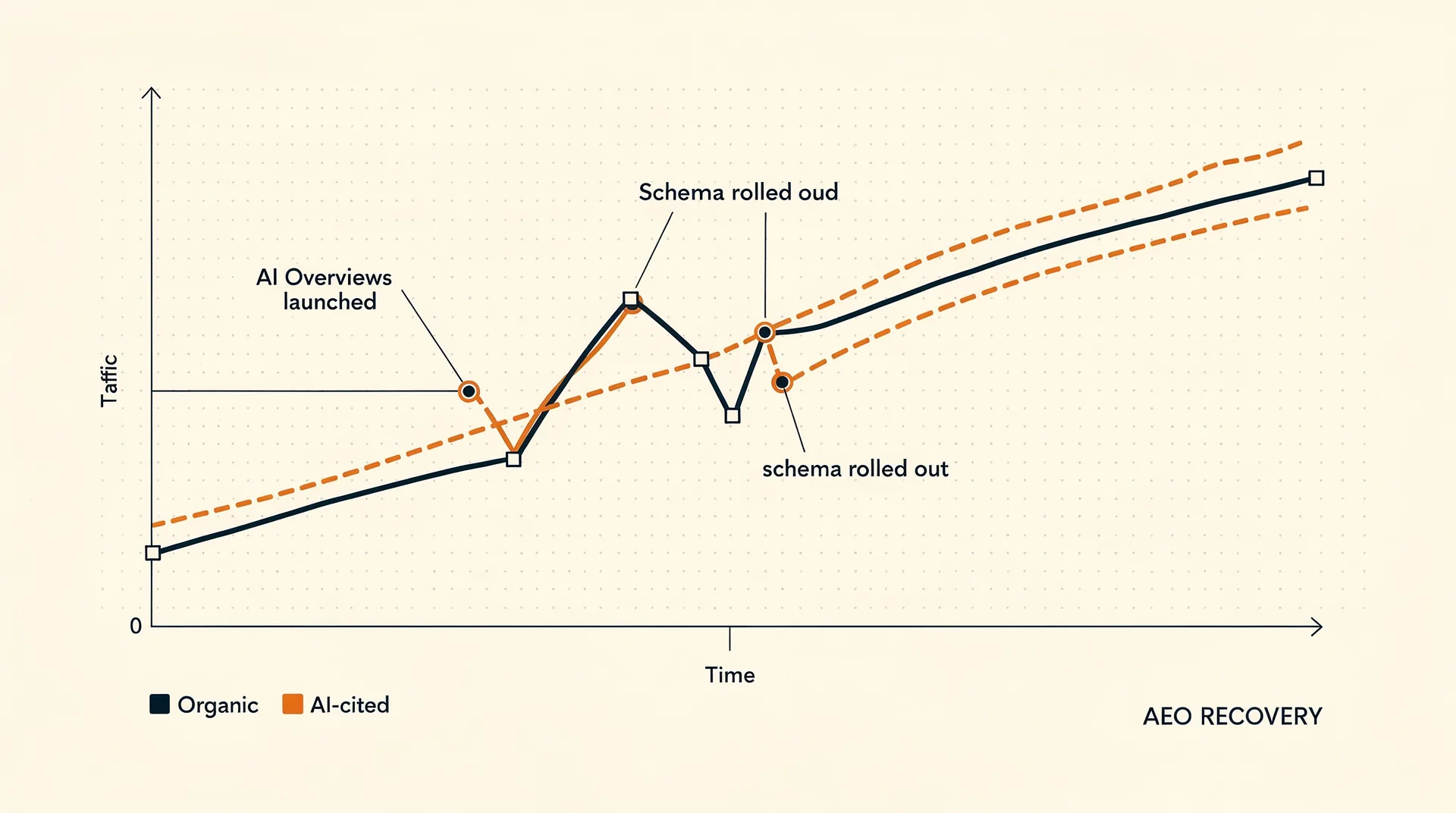
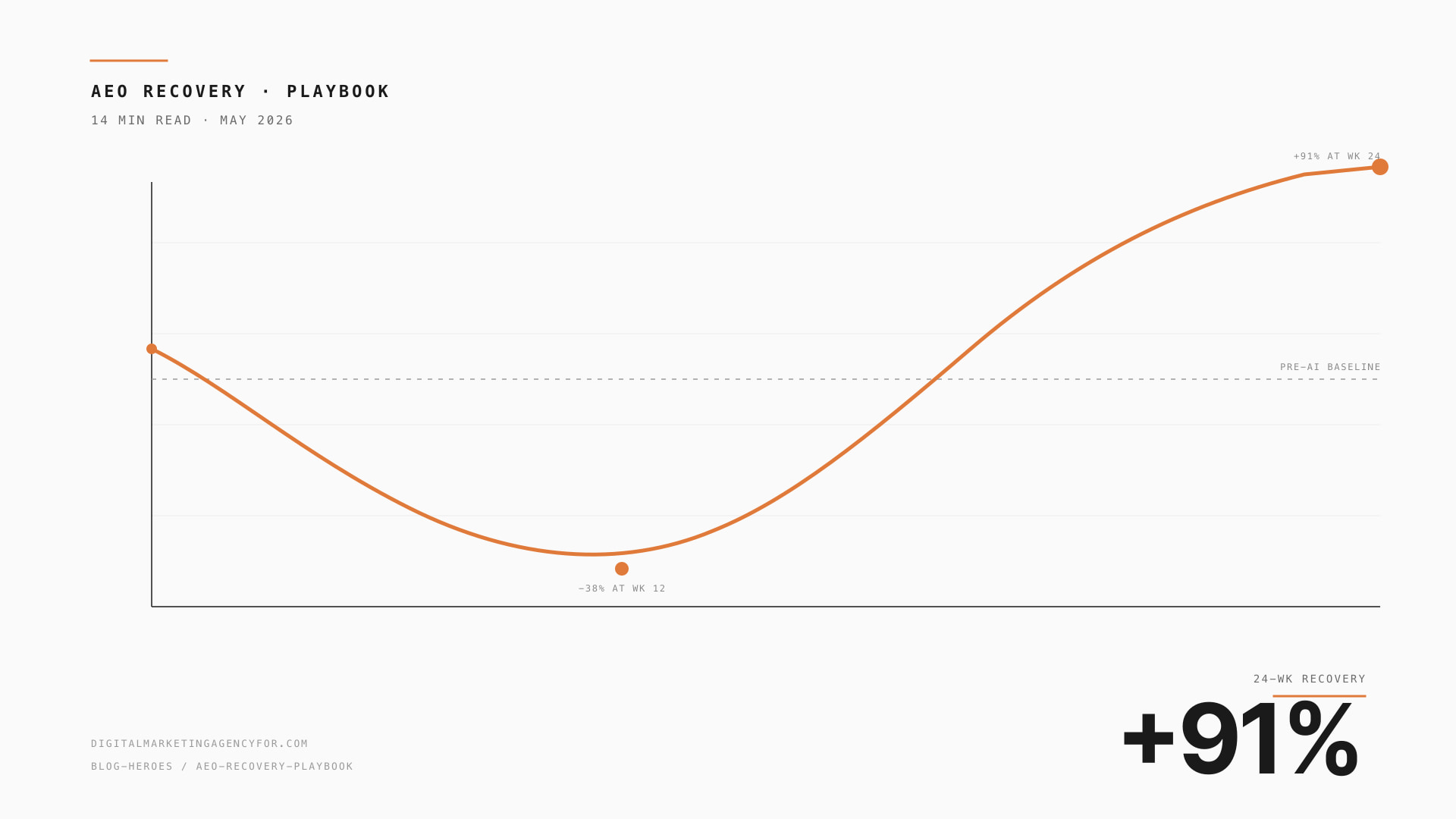
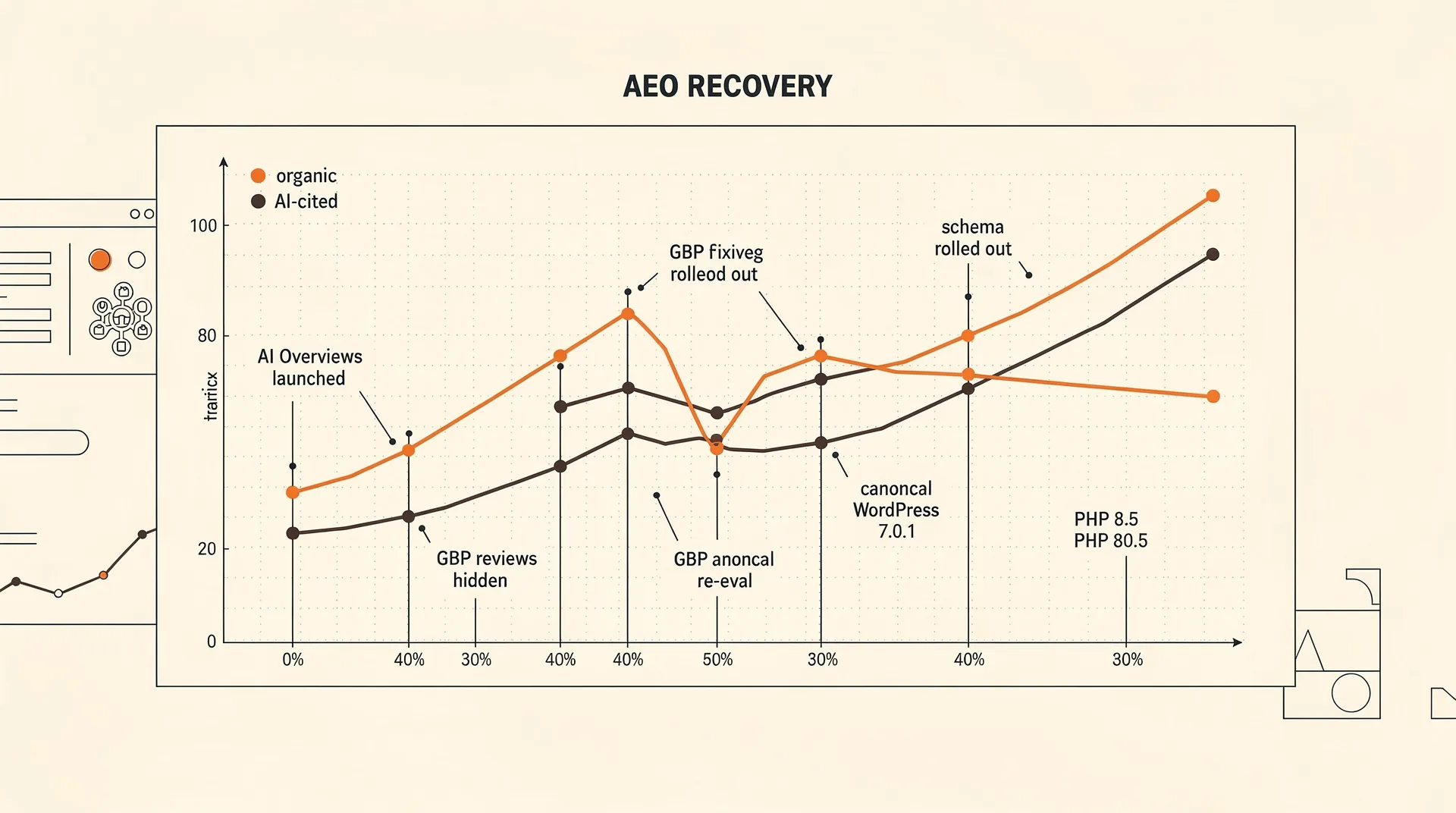
The regulatory pressure isn't arriving in a vacuum. It coincides with a fundamental shift in how users find information. Recent data indicates that ChatGPT access is tied to a 9% drop in traditional search traffic, with AI chatbots directing users to smaller, specialized, and often subscription-based sites rather than ad-supported destinations. As AI Overviews and AI Mode become the default entry point for user intent, the "relevance bar" for ads in these environments has risen significantly.
In this new landscape, trust is the primary currency. Users accessing ads via AI Mode can now click the info icon to see the "How this ad was made" panel, which explicitly reveals whether generative AI was used. If an ad relies on synthetic imagery or voiceovers to manufacture a narrative but fails to disclose it, the resulting trust gap can be fatal to conversion rates. Unlabeled AI content essentially signals to the user that the brand is hiding something, triggering the same skepticism one might have toward a deepfake.
The Compliance Gap: Deepfakes and Misrepresentation
The policy goes beyond simple disclosure; it introduces a hard ban on deepfakes. Any AI-generated content depicting real, identifiable people without explicit consent is prohibited, and violations result in immediate disapproval. This is particularly dangerous for marketers using AI for background replacement, lighting enhancement, or full synthetic renders of product shots.
If your creative team alters product imagery with AI—such as changing a background or enhancing lighting—that alteration requires disclosure if it constitutes "creating or editing" the ad. The classification is binary: unlabeled AI content is treated as misrepresentation. This means that a simple "AI-assisted" edit that significantly changes the visual output must be labeled, or the ad risks being flagged as deceptive.
Practical Move This Week: The 48-Hour Audit
You cannot wait for the next campaign launch to fix this. The immediate imperative is to execute a creative production audit across your entire active inventory.
First, audit your creative production stack. Document every AI tool used to generate or alter ad assets, including image generators, video tools, and voice synthesis platforms. If your creative team and campaign managers are separate, you must establish a communication protocol to ensure AI usage is documented before campaigns go live.
Second, identify campaigns with third-party AI assets. Pull your active campaigns and flag any ads where the underlying creative was generated or significantly altered outside of Google's tools. This includes everything from synthetic product renders to AI-written copy that was edited by a human but originated from a generative model.
Third, apply the new disclosure control. Inside Google Ads, go to your Asset Studio or the campaign level, select the flagged assets, and choose "Label this asset as created or edited with AI". Do not skip this step for "minor" edits; if the tool used generative AI, the label is required.
Finally, update your creative brief templates. Add a mandatory field for documenting AI tool use in every brief sent to internal designers, external agencies, or freelancers. This creates the audit trail your compliance team will eventually need to prove you weren't hiding the use of AI.
The Future of AI Search Eligibility
This disclosure requirement is a precursor to a broader shift in how ads are matched to intent. Google Ads Liaison Ginny Marvin clarified that to appear in AI Overviews and AI Mode, advertisers must use Google’s AI-powered targeting solutions, such as Broad Match, AI Max, or Performance Max. The relevance bar is higher in AI Search because ads are matched to Google’s understanding of user intent based on both the query and the content in the AI response.
While the disclosure rule is the immediate fire to fight, the underlying engine is changing. The "relevance bar" in AI Search demands that ads align with the AI's interpretation of the user's needs, not just a keyword match. If you fail to disclose your AI usage, you risk not just ad disapproval but a potential loss of eligibility in the very channels where future traffic will concentrate. The transition to AI Max is not optional; it is the only path to visibility in the new search paradigm.
The era of "invisible AI" in advertising has ended. Transparency is now a mandatory component of your creative strategy, and the cost of non-compliance is a suspended account. Start your audit today.