What changed
AI SEO is no longer only about ranking a page in blue links. Search systems now summarize, cite, compare, and sometimes complete the task for the user, which shifts the job from driving clicks to making your content legible to models and useful in the moment of decision.](https://business.adobe.com/blog/seo-in-2026-fundamentals)[
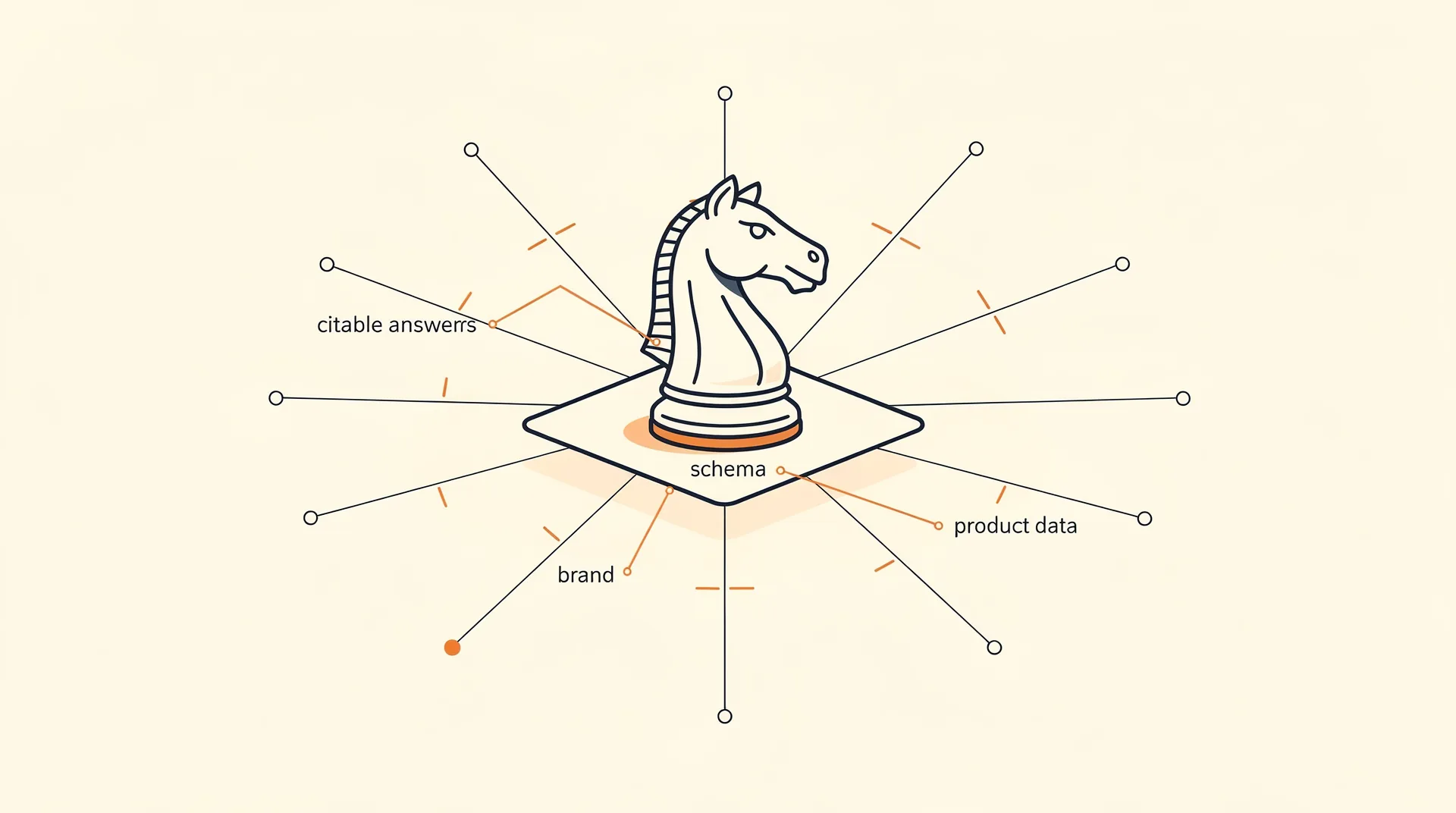
That is why the current conversation has split into two overlapping tracks: one about AI search visibility, and another about agentic commerce, where AI agents can browse, reason, and take actions on behalf of a buyer.](https://moz.com/blog/seo-guide-to-agentic-commerce-whiteboard-friday) Even the naming debate around SEO, GEO, and AEO is starting to look secondary to the underlying question: can machines understand your site well enough to use it?[
The practical consequence is simple. Content that is vague, bloated, or only written for human skimming is less likely to be cited, summarized, or reused. Content that is clear, structured, and entity-rich is better positioned to show up across AI-driven interfaces.](https://business.adobe.com/blog/seo-in-2026-fundamentals)[
Why it matters for marketers
For marketers, this changes the meaning of visibility. Success is no longer just “did we rank?” It is “did we appear in the places where intent is expressed, interpreted, and acted on?” Several 2026 SEO guides now recommend measuring AI citation frequency, generative referral traffic, assisted conversions, and share of model rather than relying only on traditional rankings.](https://business.adobe.com/blog/seo-in-2026-fundamentals)[
That matters because the buyer journey is being compressed. A prospect may ask an AI system for product recommendations, get a comparison, and move toward purchase without visiting five different pages. If your brand is not represented in the source material, the product feed, or the structured data behind the response, you may never enter the shortlist.](https://moz.com/blog/seo-guide-to-agentic-commerce-whiteboard-friday)[
There is also a branding shift underway. Search Engine Journal reported that Gen Z is increasingly treating Claude and OpenAI like consumer brands, even as trust remains a concern.](https://www.searchenginejournal.com/gen-z-now-treats-claude-and-openai-like-consumer-brands-but-trust-is-still-an-issue/584449/) That is a warning for marketers: the interfaces themselves are becoming brand environments, which means the rules of influence now include model visibility, not just web visibility.[
The editorial rule set for AI SEO
The strongest advice across the current guidance is not exotic. It is disciplined. Adobe’s 2026 SEO guidance emphasizes clear semantic structure, concise self-contained definitions, and content built around high-intent buyer questions and product comparisons.](https://business.adobe.com/blog/seo-in-2026-fundamentals) Evergreen Media similarly stresses precise, context-rich answers, unique information, and continuing E-E-A-T signals, while Advanced Web Ranking argues for content that can be retrieved, summarized, cited, and reused across AI-driven interfaces.[[](https://www.advancedwebranking.com/seo/seo-best-practices)
That leaves marketers with a cleaner editorial brief:
- Write the answer early.
- Use headings that mirror real questions.
- Keep definitions short and self-contained.
- Add proof, not just claims.
- Build for scanning, citation, and reuse.](https://business.adobe.com/blog/seo-in-2026-fundamentals)[
This is also where the old “more content” instinct starts to fail. AI systems reward clarity and specificity more than page count. If a page does not answer a concrete question better than the alternatives, it is unlikely to become the passage a model lifts into an answer.](https://www.evergreen.media/en/guide/seo-this-year/)[
Agentic commerce makes structure non-negotiable
Miracle Inameti-Archibong’s Whiteboard Friday on agentic commerce pushes the point further: if AI agents are going to shop on behalf of users, websites need to be optimized for machine interaction, not just human browsing.](https://moz.com/blog/seo-guide-to-agentic-commerce-whiteboard-friday) The practical ingredients she highlights are Markdown, product feeds, structured data, and MCP, all of which help systems interpret products and actions more reliably.[
That is a major shift in how marketers should think about product pages. A product page is no longer just a sales asset; it is a data object. If pricing, availability, attributes, and comparisons are easy for machines to extract, the page is more likely to participate in agent-led discovery and recommendation flows.](https://moz.com/blog/seo-guide-to-agentic-commerce-whiteboard-friday)[
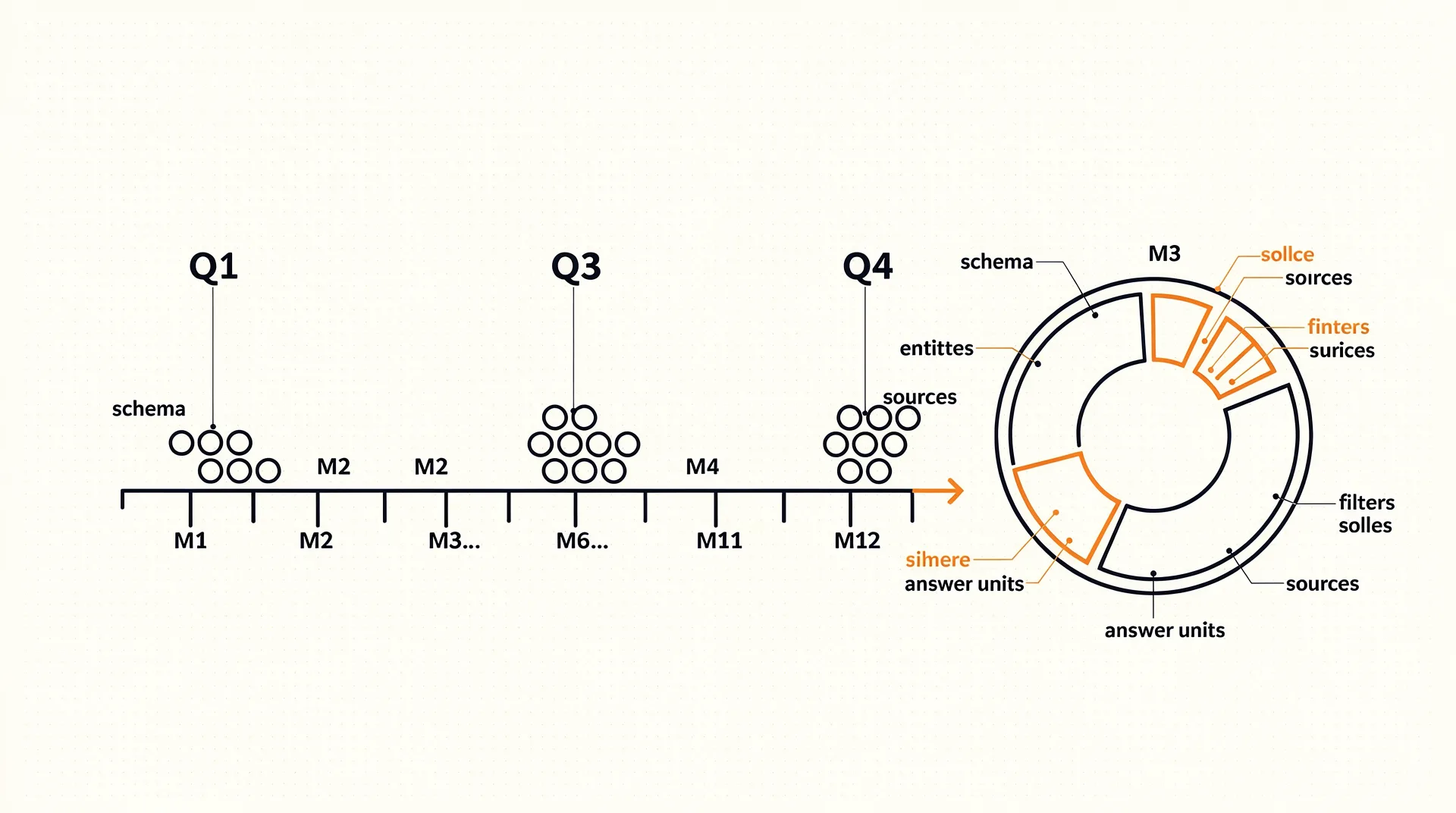
In other words, technical SEO and content SEO are converging. Crawlability, structure, schema, and content clarity are not separate hygiene tasks anymore; they are the prerequisite for being understood in AI-mediated search and commerce.](https://www.advancedwebranking.com/seo/seo-best-practices)[
What to do this week
The fastest useful move is to pick one commercial page and make it machine-readable from top to bottom.
Start by rewriting the opening so it gives the direct answer in the first screenful, then add question-led subheads, concise definitions, and a comparison section that reflects the actual buying criteria your customers use.](https://business.adobe.com/blog/seo-in-2026-fundamentals)[
Then audit the page for the signals AI systems can consume:
- Add or clean up structured data.](https://moz.com/blog/seo-guide-to-agentic-commerce-whiteboard-friday)[
- Make sure product feeds are accurate and current.[](https://moz.com/blog/seo-guide-to-agentic-commerce-whiteboard-friday)
- Remove duplicate or thin sections that dilute clarity.[](https://svitla.com/blog/seo-best-practices/)
- Tighten internal links so related pages reinforce the same entity and topic cluster.[](https://www.iovista.com/blog/ai-seo-strategy-2026/)
- Test how a model summarizes the page, then rewrite the parts it misses.](https://www.iovista.com/blog/ai-seo-strategy-2026/)[
If you want a more operational rule, use this: every important page should be able to answer one buyer question cleanly, prove the answer with evidence, and expose enough structure for a machine to reuse it.](https://www.evergreen.media/en/guide/seo-this-year/)[
How to measure progress
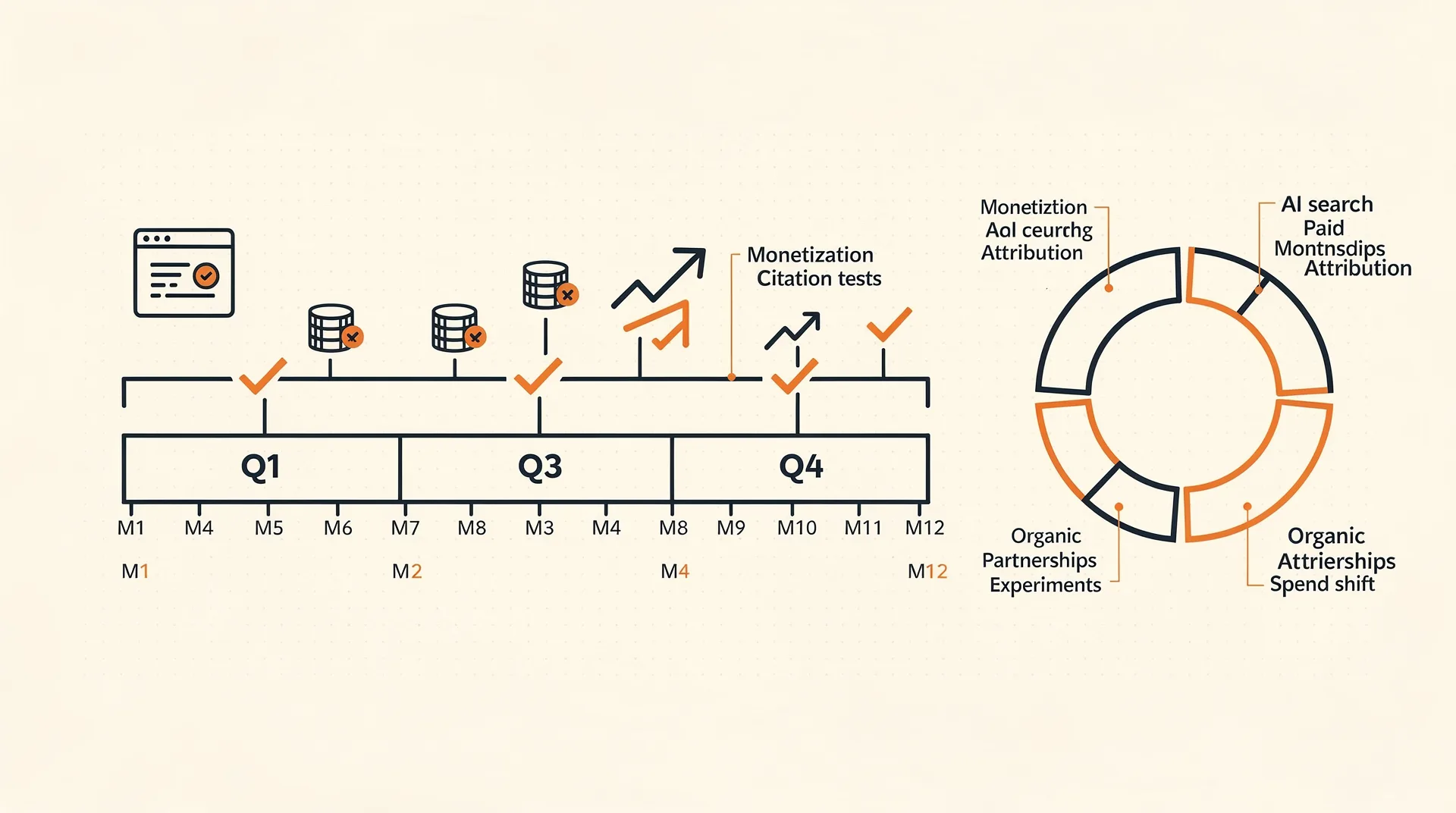
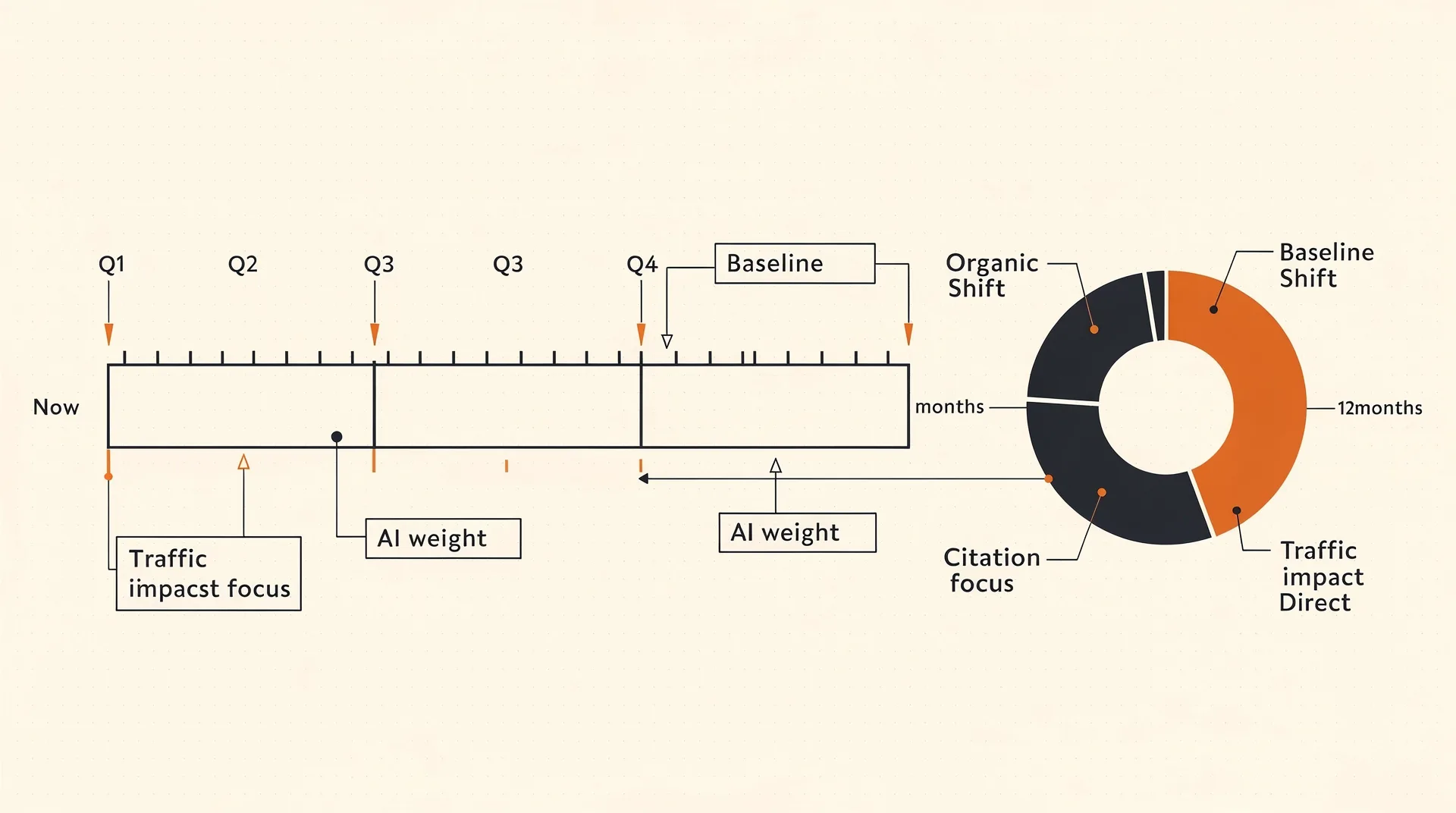
Traditional rank tracking still matters, but it is no longer sufficient. The newer measurement stack centers on whether your content is cited, whether it drives generative referral traffic, and whether it contributes to assisted conversion paths.](https://business.adobe.com/blog/seo-in-2026-fundamentals)[
That means SEO reporting should start including AI visibility, not just SERP position. Track where your brand appears in AI answers, which pages are being used as source material, and which commercial themes are gaining or losing representation over time.](https://www.evergreen.media/en/guide/seo-this-year/)[
The strategic takeaway is not that SEO has disappeared. It is that the definition of “optimized” has expanded. The best pages now serve humans, search engines, and AI systems at the same time.](https://www.searchenginejournal.com/ai-search-only-feels-new-if-your-seo-was-shallow/584115/)[