The Data Lie: When Traffic Stopped Measuring Value
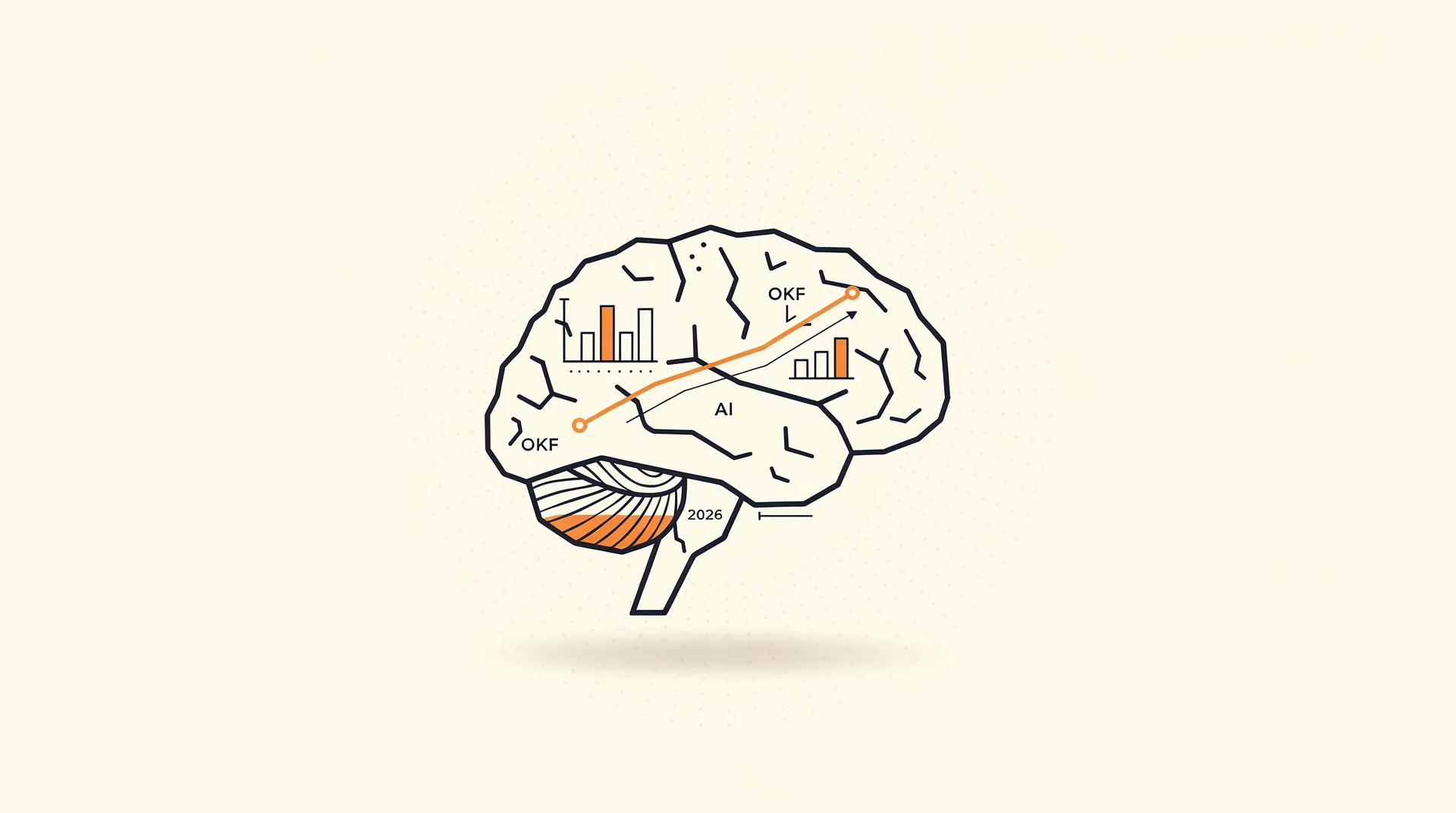
For two decades, marketers operated on a simple faith: if content was valuable, Google sent traffic, and analytics recorded the visit. Value and traffic were synonymous. That equation collapsed in the first four months of 2026.
According to an analysis by SparkToro, 68% of U.S. Google searches concluded without a single click in early 2026—a sharp rise from 60% in 2024. This surge in zero-click searches is driven primarily by AI Overviews and users conducting more queries entirely within Google’s ecosystem.
When Ahrefs initially re-evaluated this shift, they estimated AI Overviews reduced clicks to the top result by 34.5%. However, their updated forecast for the top position skyrocketed to 58%. The verdict is clear: the data is accurate, but the numbers no longer reflect what your content is actually good at.
Marketers shipping solid assets are seeing flat traffic and interpreting it as AI failure. That verdict is wrong. You are measuring the wrong thing. By changing what you track, you may find your content is performing better than your analytics suggest.
Why the Old Metrics Are Dead
The disconnect is structural. Search Console still reports clicks, impressions, and average position, but it cannot differentiate between a click from a traditional search result and a click generated by an AI Overview.
Traffic is no longer a reliable indicator of success because the mechanism of distribution has changed. When a page is valuable, Google may now answer the query directly or summarize it in an Overview, satisfying the user without them ever leaving the search page. The content delivered the value, but the metric (the click) never registered.
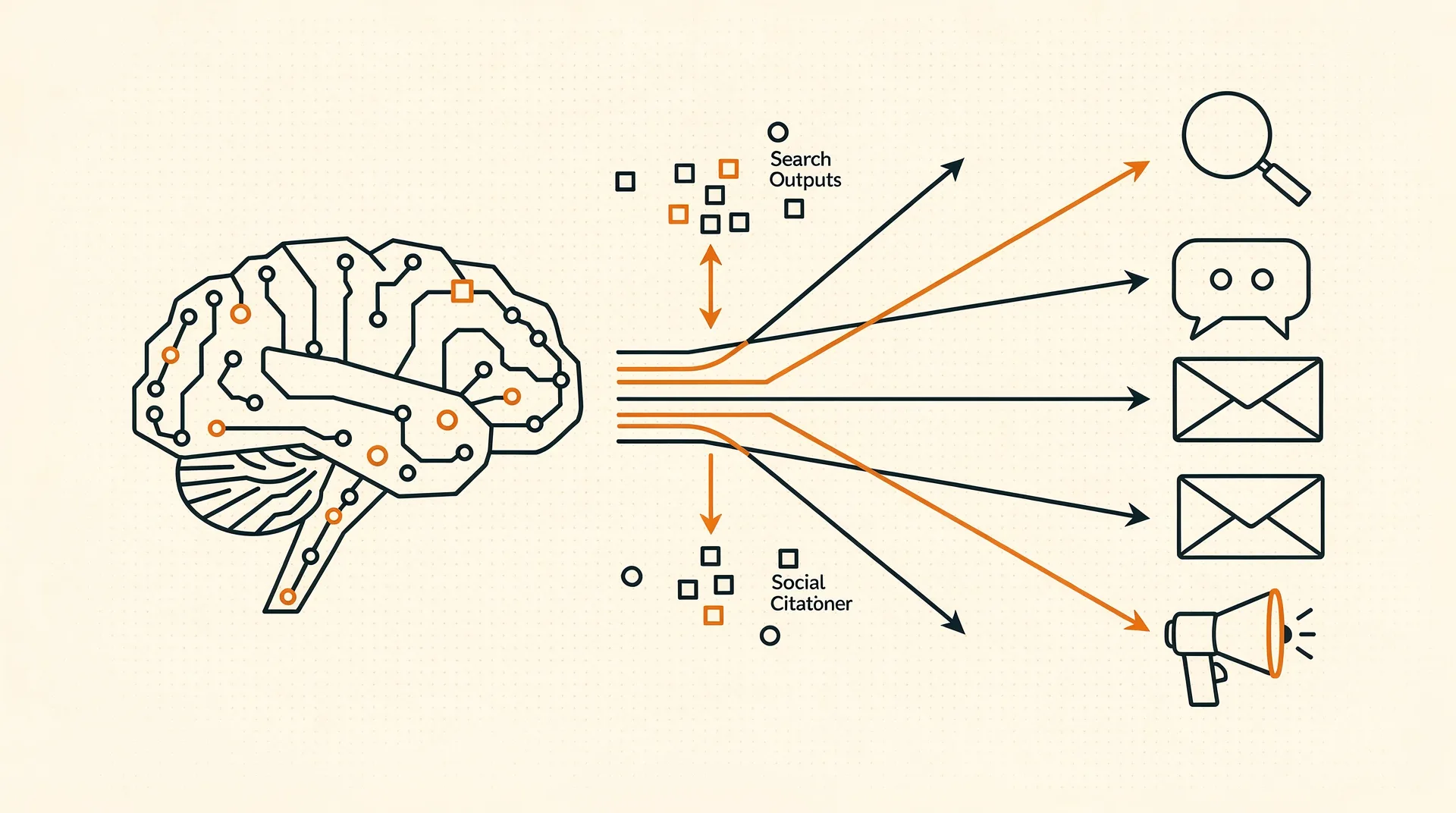
If you continue to optimize for clicks, you are optimizing for a shrinking slice of the pie. The new metric must be agentic trust—how well your content serves an AI agent looking to synthesize an answer.
The Shift to the Agentic Web: OKF and the Universal Language
The next frontier isn’t just about appearing in an Overview; it’s about becoming the source the agent chooses to read. This requires a fundamental shift in how we structure data.
Marie Haynes has pioneered a new standard called Open Knowledge Format (OKF), a universal language for AI agents. OKF follows a simple, standardized structure using YAML frontmatter and Markdown files that allows agents to read content without custom software.
In Haynes’ "personal brain," every file starts with YAML frontmatter—a metadata block that tells an agent exactly what it is viewing. She uses specific types for everything: concepts, entities, playbooks, references, and systems. This structure is not about SEO keywords; it is about semantic clarity.
When an agent views your OKF, it first accesses an `index.md` file that acts as a map of your content areas. This allows agents to navigate your content with the same precision a human reader would. If you give an agent your OKF files, it knows exactly how to read them. This is the "universal language" required for the agentic web.
Content that is structured in OKF is far more likely to be cited by AI Overviews because it is machine-readable, logically consistent, and semantically rich.
What Changed and Why It Matters for Marketers
1. Zero-Click Dominance: With 68% of searches ending without a click, "traffic" is a vanity metric. The value is in the answer generation, not the click-through.
2. Source Attribution: AI Overviews are now the primary interface. If your content isn't cited in an Overview, it is invisible to the majority of users.
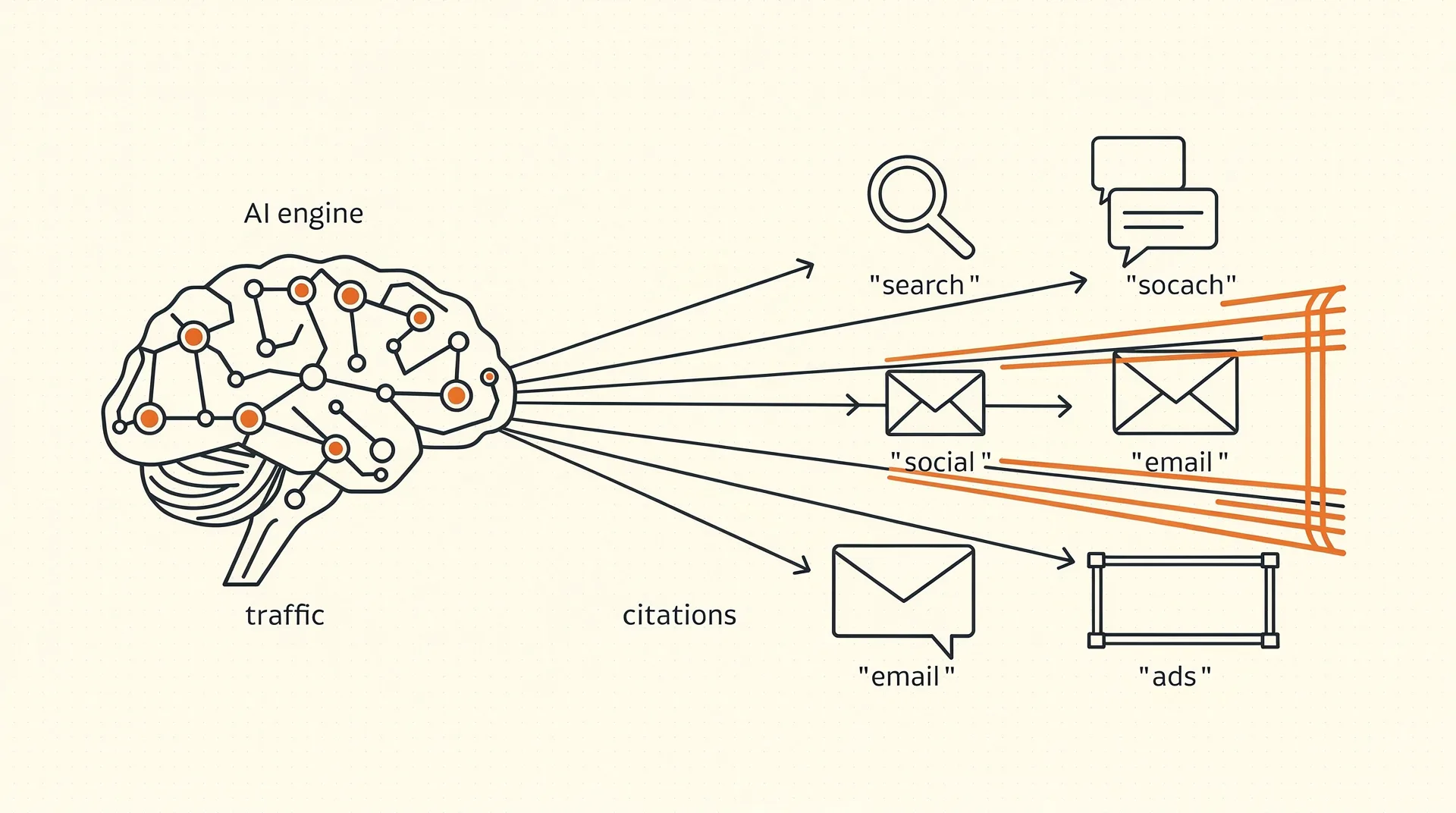
3. Agentic Discovery: Agents don't "browse" like humans; they parse structured data. Unstructured content is ignored in favor of OKF-formatted, semantically chained data.
Marketers who cling to traditional traffic metrics will conclude their content strategy is failing. Those who pivot to source value and agentic readability will dominate the new landscape.
The Practical Move: Your OKF Playbook for This Week
You cannot wait for a new platform update. You must adapt your content infrastructure immediately. Here is your action plan for this week:
1. Audit for Semantic Clarity: Review your top 10 content pieces. Do they answer specific questions with clear, structured logic? If not, rewrite them to be more machine-readable.
2. Implement OKF Structure: Start converting your playbooks and how-to guides into OKF format. Use YAML frontmatter to define the `type` (concept, entity, playbook) and `category` of your content.
3. Build an Index: Create an `index.md` file for your content library. This acts as the navigation map for AI agents, allowing them to discover your full corpus.
4. Target "Zero-Click" Keywords: Identify queries where AI Overviews are already common. Optimize your content to be the source of that Overview, not just the link users click after reading it.
The Search Central Deep Dive Europe 2026 event in Barcelona (September 30–October 2) is designed precisely for this. It moves beyond high-level overviews to a "study track" examining the underlying mechanics of Google Search. Attend if you want to master the technical flow of how search operates under the hood.
Conclusion: Measure Value, Not Clicks
The industry is going through the same thing right now: traffic is flat, but content is solid. The conclusion that "AI content has stopped working" is a misdiagnosis. The data is accurate, but the metric is obsolete.
Traffic and value are now disconnected. To succeed in 2026, you must stop measuring clicks and start measuring agentic trust. Structure your content in OKF, define your semantic types, and ensure your `index.md` is the first thing an agent sees.
Your content is still working. You just need a new way to measure it.