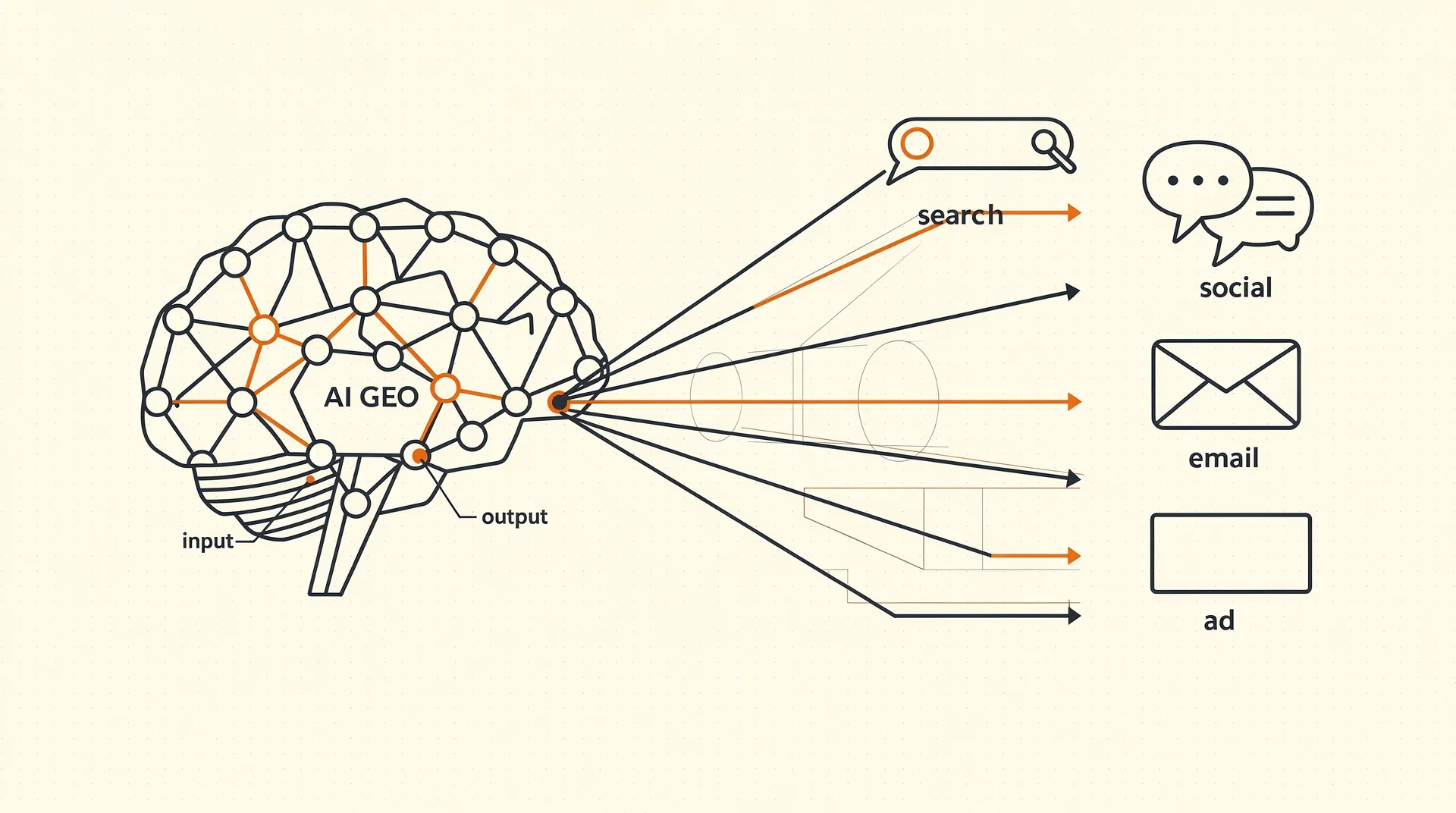
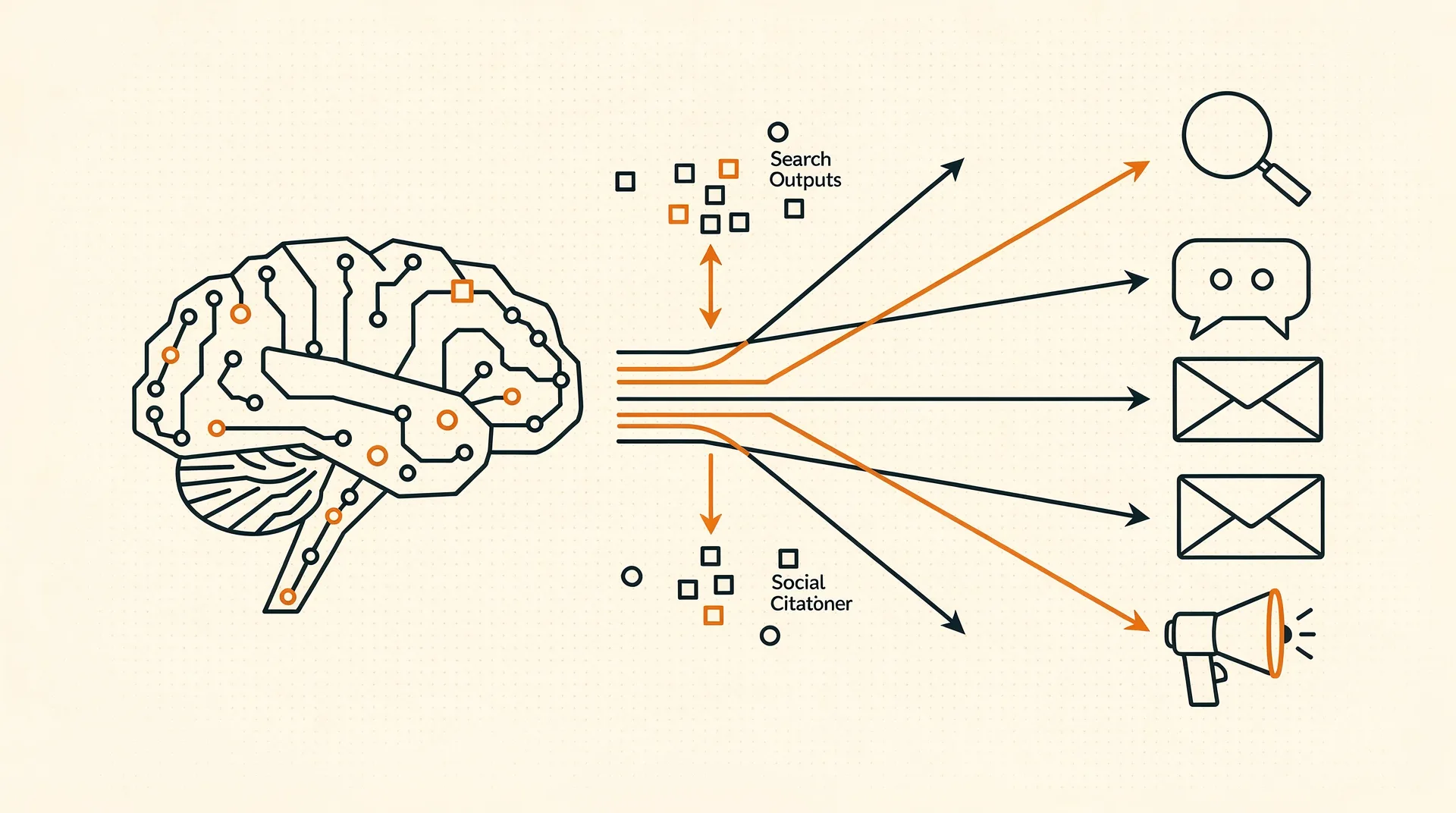
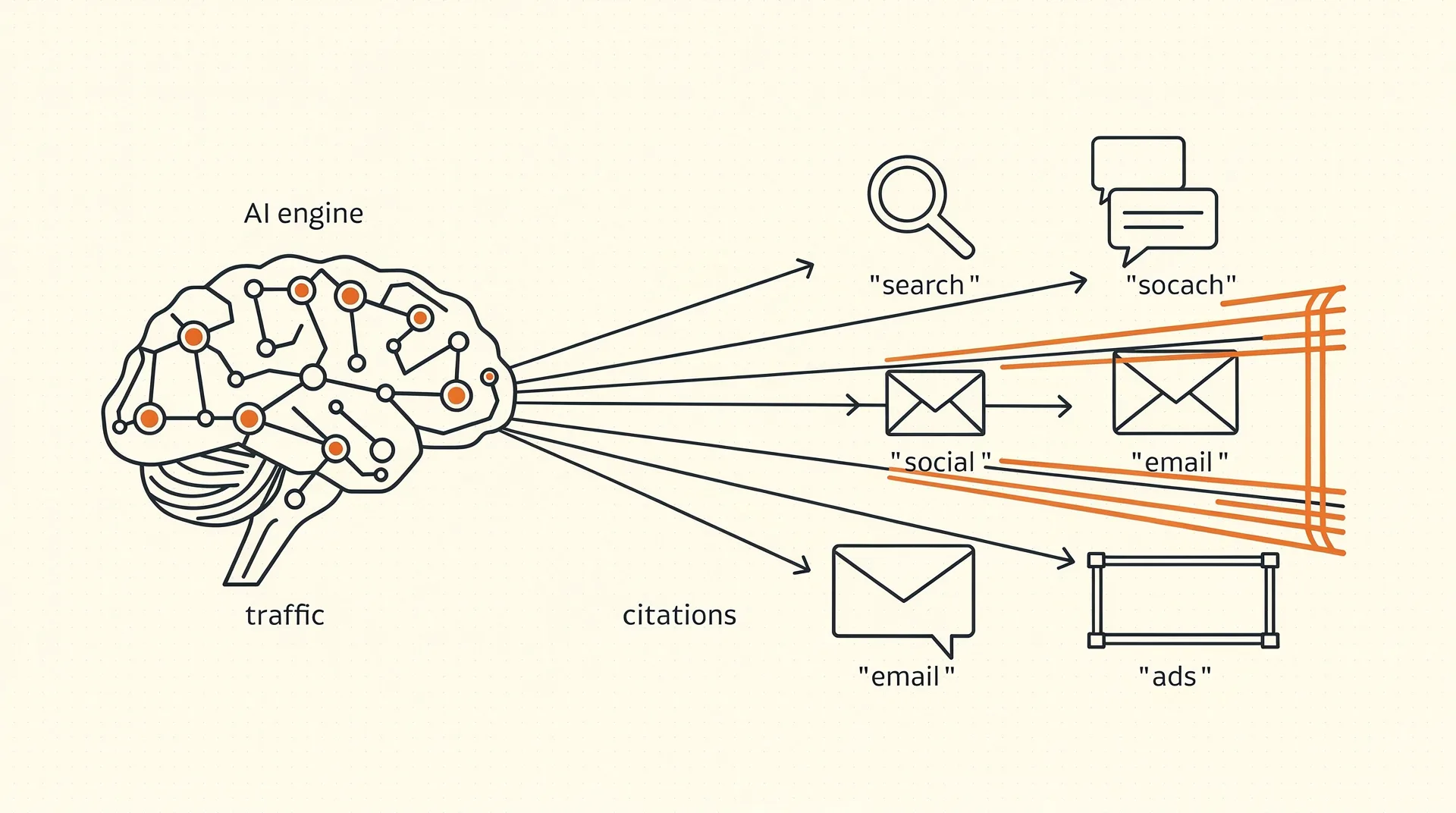
The landscape of digital discovery has shifted irrevocably. For decades, marketers optimized for search engines—commands to retrieve keywords and rank pages. Today, the primary engine of discovery is no longer a search bar but an AI agent generating answers. This transition marks the emergence of Generative Engine Optimization (GEO), a discipline focused on structuring content so AI systems can accurately retrieve, interpret, and cite it in generated responses.
If you want one practical move to secure your brand's future, make it this: audit one high-value topic through the lens of an AI agent, not a search engine.
What Changed in GEO?
The core mandate has evolved from ranking to citation. While GEO builds on SEO fundamentals, it optimizes for how AI models evaluate relevance, authority, and trust, rather than how search engines rank pages based on backlinks and keyword density.
According to recent industry analysis, GEO is the practice of optimizing content so AI systems can retrieve it, understand it, and cite it as a trusted source in generated responses. This shift demands a focus on intent, context, authority, and machine-readable structure.
The data confirms the urgency. Reports from emarketer indicate that marketers are investing significantly more in GEO as AI visibility becomes their top priority. Similarly, brands are implementing GEO best practices as AI reshapes shopping behaviors, turning natural language queries into the primary driver of commerce.
Why Marketers Must Care
The adoption of AI chatbots like ChatGPT has expanded globally, with users increasing usage and exploring more capabilities across regions and languages. As noted in OpenAI's data on ChatGPT adoption, this growth is driving a fundamental shift in how information is consumed. Users no longer click a list of links; they ask a question and receive a synthesized answer.
If your brand is not optimized for this process, you face "digital invisibility." A study on GEO content optimization in 2025 highlights that the first 40–60 words of your content must contain a direct answer to the question your page addresses. Without this, AI models may skip your content entirely, citing competitors who better adhere to these patterns.
Furthermore, the source of citations is shifting. As explained by Jason Mudd on AI citations, the majority of AI citations come from earned media coverage, reputable outlets, analyst reports, and executive thought leadership. This means your SEO playbook is incomplete without a robust PR and content strategy that feeds AI systems credible, quotable material.
The Practical Move: Auditing for AI Agents
The most critical step for marketers this week is to stop thinking about keywords and start thinking about natural language queries.
1. Engage LLMs Directly: If your business sells moisturizers, pose questions like "What is the best moisturizer?" to various large language models (LLMs). Analyze the responses to see which brands are mentioned and which features are highlighted. This is the first step in understanding which products models endorse.
2. Front-Load Answers: Rewrite your intros to lead with the answer, not the context. Instead of saying "In the modern world of skincare, moisturizers are essential," say "The best moisturizer for dry skin is X because it contains Y."
3. Structure for Retrieval: Use headings, short paragraphs, and retrieval-friendly formatting. Convert paragraphs to lists where you have "First do X, then do Y." One concept per subsection is key.
4. Check Technical Health: Ensure your JSON-LD rendering is correct. View your page source and search for `application/ld+json`. If it's missing, fix your server-side rendering (SSR). Technical health is the foundation of GEO success.
The Shift from SEO to GEO
The transition from SEO to GEO represents a shift from funnel metrics to conversion metrics. Marketers need to focus on deeper funnel metrics such as conversions, as well as measuring their visibility and share of voice in generative search results.
This is not just a technical update; it is a strategic realignment. As Kantar notes in their guide on brand building in AI search, the practical strategy involves crafting an ambitious campaign grounded in human creativity, then leveraging AI to create customized versions for various segments.
Ultimately, GEO is the discipline of optimizing content so AI systems can retrieve it, understand it, and cite it. It requires a blend of expert commentary in a conversational style, concise paragraphs, and formats that LLMs easily utilize, such as HTML tables and bullet-point lists.
Conclusion
The era of keyword-centric SEO is giving way to the era of AI-cited GEO. The brands that will dominate the future are those that treat AI agents as their primary search engine. By auditing your content for clarity, authority, and structure, and by front-loading answers, you can ensure your brand is not just visible, but cited.
Make the audit of your high-value topic this week. The future of your digital visibility depends on it.
---
References cited inline include data from OpenAI, emarketer, Kantar, Wired, Datagum, and Jason Mudd's insights on AI citations.