Here's the uncomfortable truth sitting underneath three unrelated announcements this week. AI is no longer a capability conversation; it's a commercial and operational one. And that shift is precisely what makes Generative Engine Optimization (AI GEO / GEO) a discipline rather than a campaign experiment.
The OpenAI signal
The first signal is organizational. OpenAI appointed Dali Rajic as Chief Revenue Officer to "lead its global revenue organization," the company says — a normal hire that, in context, is anything but normal. When the company that effectively defines generative search infrastructure installs a revenue operator at the top, it's telling the market two things: AI is no longer a research line item, and monetization happens through enterprise adoption. For marketers, that means the inventory you are trying to be discovered on is itself being sold to organizations as a revenue driver. Your placement inside generative answers may soon be priced, prioritized, and optimized against the same performance metrics your CFO cares about.
The second signal comes from the builder's guide to GPT-5.6. It's not a productivity memo; it's a granular breakdown of how startups "build faster, more cost-efficient AI agents with smarter model selection." Keep the keyword: model selection. As models multiply and fragment by reasoning strength, latency, and price, the gap between brands that actually appear in answers and those that don't gets determined by engineering judgment — not just content quality.
The AWS / Hugging Face loop
Then there's the mention from Amazon and Hugging Face about the Strands Robots agent loop. Technically, it's about robot demonstrations recorded in a bucket, trained on the Hub, and deployed back to hardware in the same LeRobot format. As an editorial primer, it's a warning: the model behind your search results is being actively improved through loops like this — raw data, training, and deployment iteration happening fast and continuously.
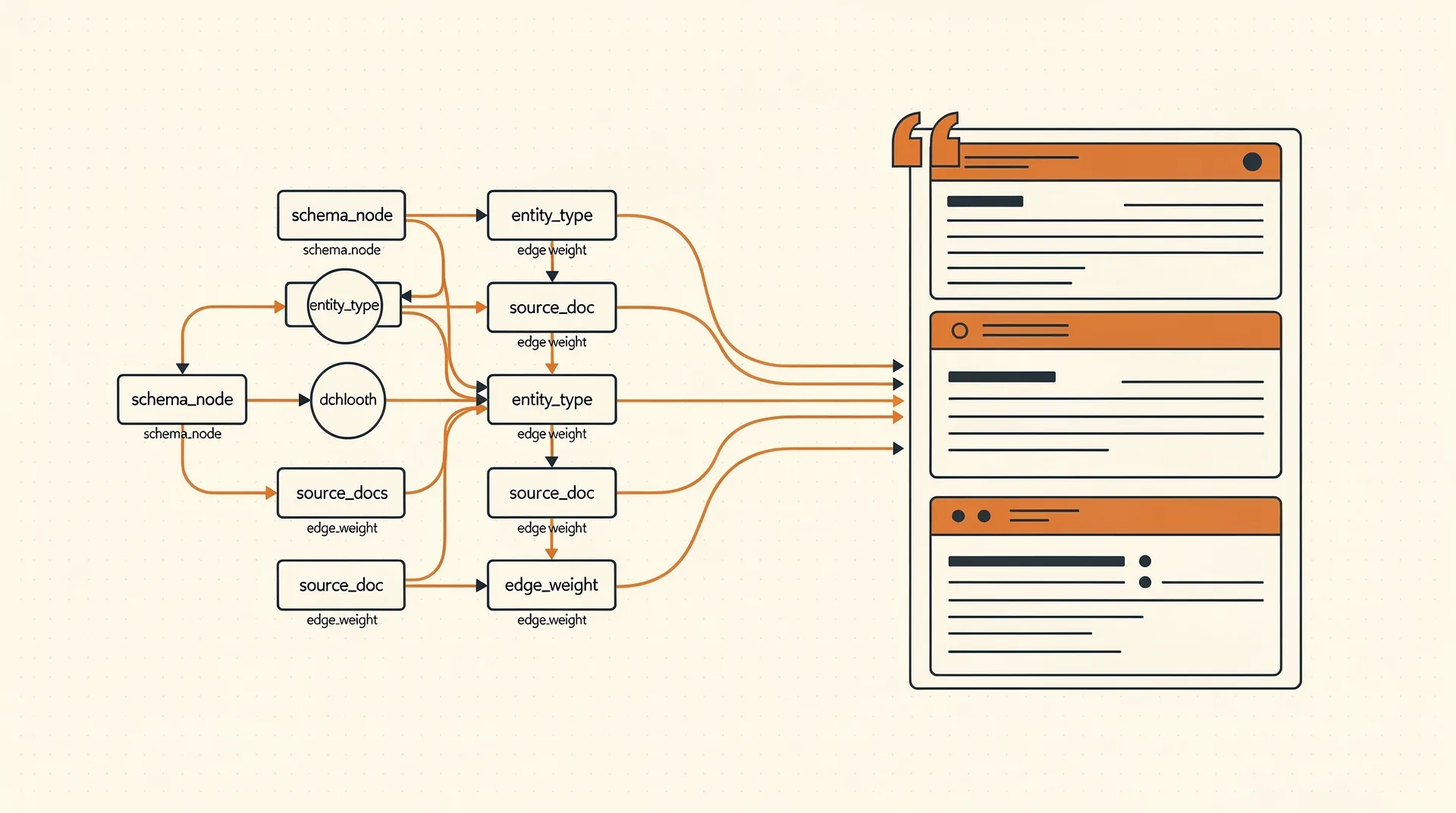
That is the same loop a GEO engine runs on. It searches the web, collects content prototypes, trains to re-rank, and continuously deploys that ranking into the answers end users see. Your brand's identity is the data that loop is consuming. If you're not showing up in the training data in the right format, you are a lost byte.
A short note on authenticity
None of this means skepticism isn't justified. The mechanics of "AI revenue teams" and "smarter model selection" are being told by the suppliers — OpenAI and Hugging Face — who are also selling the saws. There is a real tension between what builds better answered content and what generates model-market buzz. Don't conflate the demo of one capability with the health of the web's information supply. Keep the pressure by verifying your rankings in the actual generative answers your buyers see, not just in model benchmarks. The house won't stop expanding if you check the floorboards.
What this means for AI GEO
If you're a B2B marketer, the translation is direct:
- Revenue sits on discovery. If the platform that answers your buyers' questions runs its revenue group as aggressively as OpenAI's new one indicates, discoverability in generative engines is becoming a commercial asset, not a content side effect. Budget it like CRO.
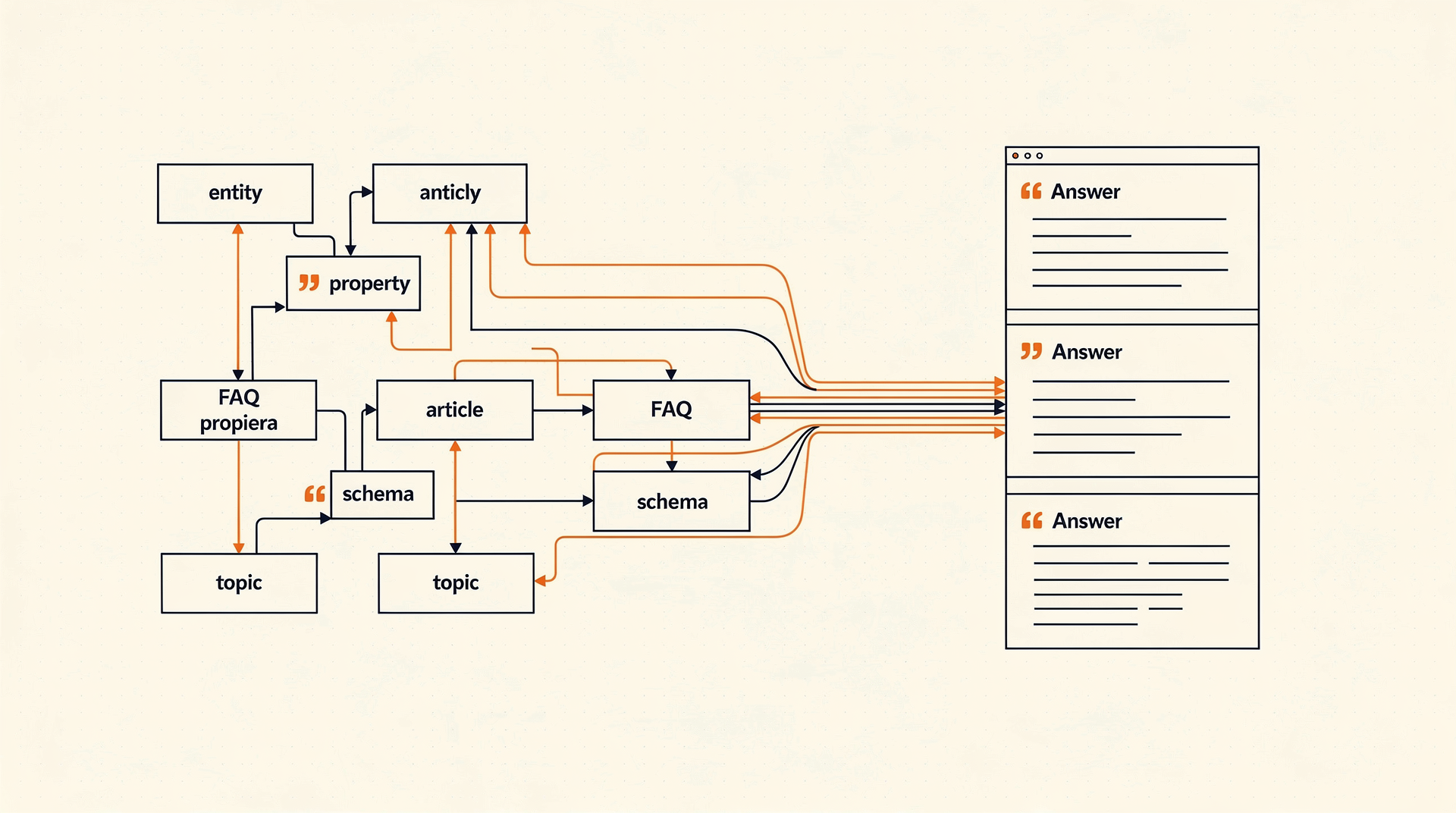
- Model selection is your new variable. The GPT-5.6 exercise shows different models are better suited for different agents. Your answers must be structurally compatible with multiple model denominators — semantic clusters, trust signals, format variety — so whichever model gets asked, your lane stays legible.
- The loop must feed you continuously. The Strands loop cuts training that runs the same data on the same GPUs repeatedly. Your content operation should aim at that level of tightly matched iteration: measure, get out the inefficiency, pull the next batch of content variables, re-rank.
The practical move this week
Start your own loop with a small slice. Pick one high-value buyer question. For seven days, track:
1. The live answer your primary buyer persona (B2B) would get right now in the big AI engines.
2. The source's format: is your answer or competitor's a blog, a product page, a comparison table, a Reddit thread, an are snippet?
3. The missing entity: what in your asset makes the AI engine cite it when it shouldn't?
Then launch a one-week sprint: one sticky content update per day targeting that specific answer. That's your weekend test bed for whether you're inventing GEO or just hoping the right model reads you.
The bottom line
This week's signals — the revenue push, the model-selection guide, the agent loop — all tell the same story: AI search is no longer a novelty. It's becoming a persistent, revenue-bearing infrastructure. For a B2B marketer, that's not a threat; it's proof that a GEO program exists under the same CFO that pays the AI bills. The smarter move is to build your loop early.
---
Featured image generated using GPT-8 with adaptive vision. Data based on public announcements; independent performance results may vary.