What changed
Search is becoming less like a list of links and more like a set of assembled commercial experiences.
Three developments make that clear. Google has introduced redesigned commercial results in parts of the European Economic Area, with separate units for comparison sites and direct suppliers. Google Search Console now reports visibility in AI search surfaces, including AI Overviews and AI Mode, but the data still borrows heavily from traditional search measurement. And ChatGPT is drawing more product recommendations from merchant feeds, making structured product data part of the path to generative discovery.
The common thread is distribution. A brand can be visible without winning a conventional position, appear in an AI answer without earning a click, or be eligible for a product recommendation because its feed is complete and machine-readable.
That is a meaningful change for SEO teams. The question is no longer simply, “What position did we earn?” It is, “Which systems can retrieve, interpret, compare, recommend, and send demand to us?”
The practical move this week: build a query-and-surface inventory for your highest-value commercial topics. Track where your brand appears across classic results, AI answers, comparison modules, merchant-driven recommendations, and local profiles. Do not wait for one unified dashboard. The market is moving before the reporting catches up.
Commercial search is becoming more regional
Google’s redesigned commercial results in the EEA create a concrete example of why market-level analysis matters. As Search Engine Journal’s coverage of Google’s commercial search redesign explains, comparison sites can appear in a dedicated unit, with the top-ranked provider expanded by default. Direct suppliers have a separate unit, but it appears alongside an aggregator result.
For aggregators, eligibility may require feed or API work. Direct suppliers do not face the same additional data requirement, but their visibility depends on the presence of the comparison unit.
This introduces a new source of apparent performance volatility. A decline in clicks or rankings in one European market may reflect a changed results page rather than weaker relevance, lower demand, or a technical SEO failure. A rank tracker configured for one layout cannot automatically explain a result generated by another.
That makes regional segmentation essential. Separate reporting by country, query type, SERP feature, and commercial role. A marketplace, comparison site, manufacturer, and retailer may all compete for the same query while being evaluated through different search components.
AI visibility is measurable—but not cleanly
Google’s AI search reporting is a useful step, but it is not yet a complete answer to the measurement problem.
The reporting limitations described in Google’s Search Console AI search coverage are familiar to anyone trying to translate generative visibility into business performance. The report focuses primarily on impressions, and those values are included within the regular Search performance report. An impression may indicate that a URL was eligible or present in an AI surface; it does not necessarily prove that a user saw, read, or acted on the citation.
Position is also harder to interpret. In a conventional result, position usually describes the location of a link. In an AI response, the reported position may describe the AI Overview or AI Mode display rather than the exact prominence of the cited link. A reference hidden behind an expansion control may have a different practical value from one visible immediately, even if the underlying report does not fully capture that distinction.
The correct response is not to ignore the data. It is to downgrade its role from verdict to signal.
Pair AI impressions with branded search demand, assisted conversions, referral traffic, sales-call language, and controlled query checks. If visibility rises while qualified visits and pipeline do not, the problem may be presentation, intent mismatch, or weak citation prominence—not necessarily a content failure.
Feeds are becoming part of content strategy
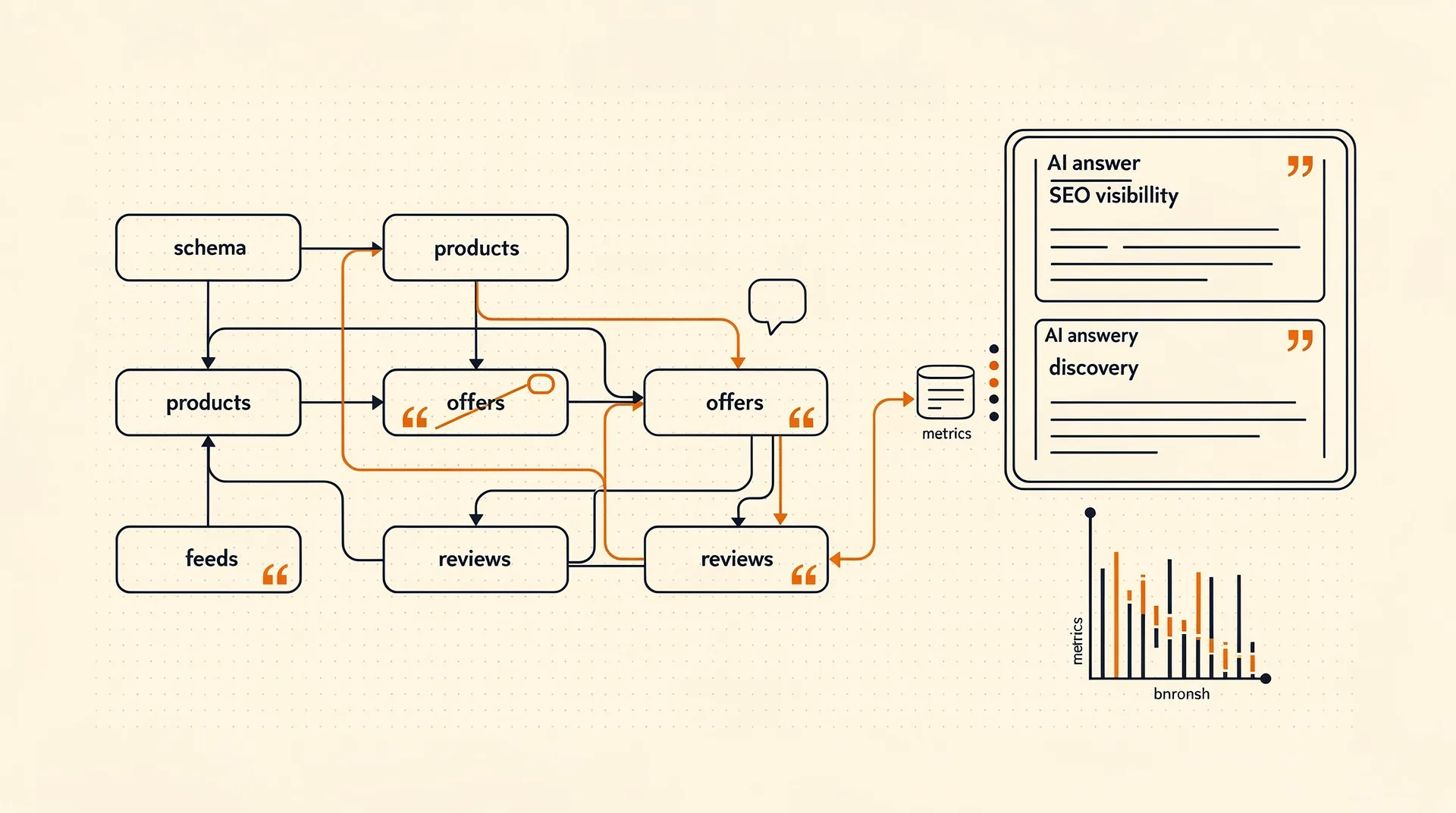
The ChatGPT development matters because it broadens the definition of SEO work. Product discovery increasingly depends on structured information that systems can ingest and compare, not only prose that crawlers can index.
The same SEO Pulse report covering merchant feeds and ChatGPT product recommendations points to a practical requirement: product data needs to be accurate, current, and consistently represented across the systems that may influence discovery.
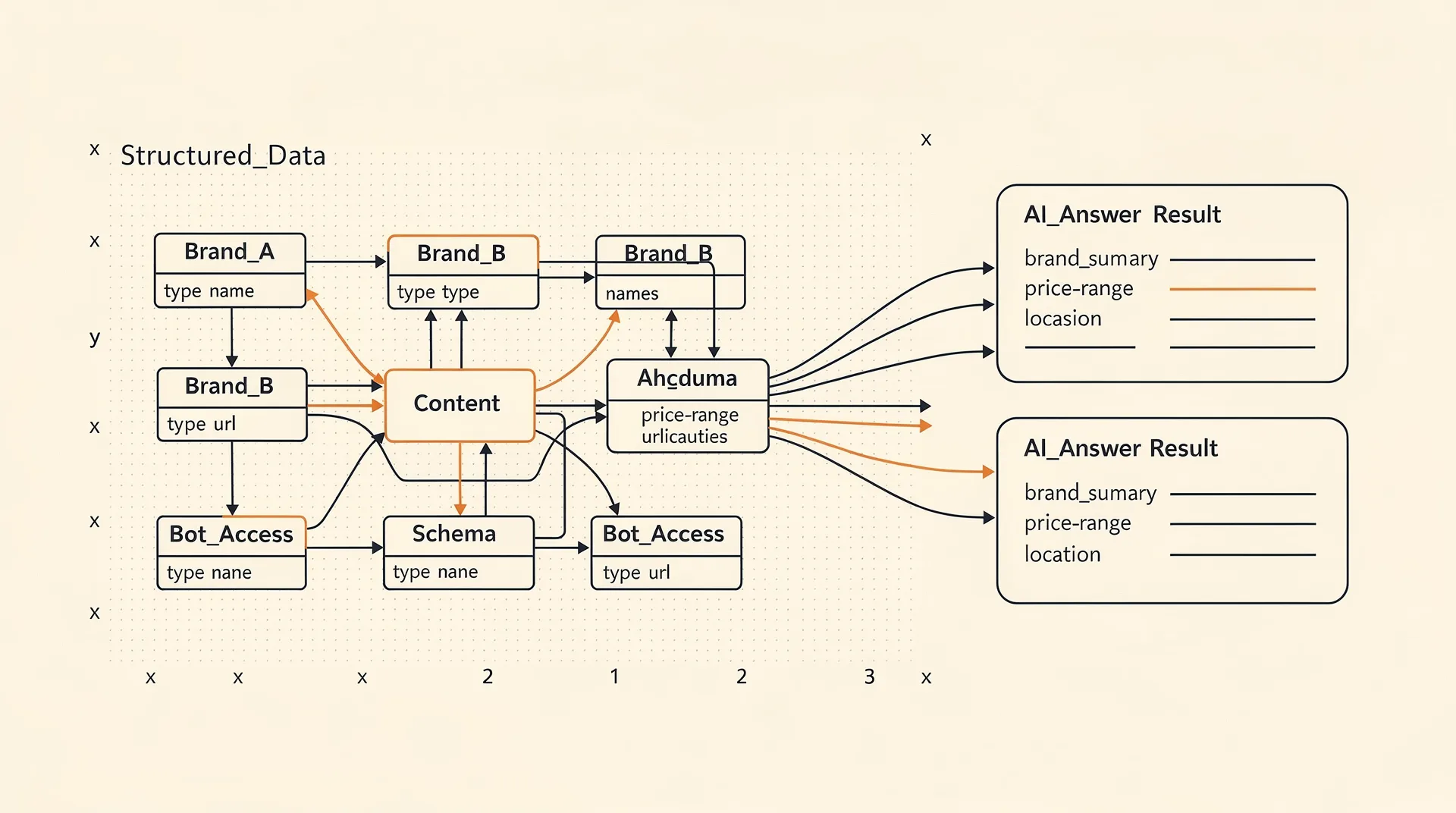
For ecommerce and B2B product marketers, audit the fields that determine whether an item can be understood: product name, category, price, availability, specifications, images, reviews, shipping or service details, and identifying attributes. Remove conflicts between the website, feed, product schema, and marketplace listings.
This is not a case for stuffing descriptions with AI-friendly language. It is a case for reducing ambiguity. Generative systems can only recommend what they can identify, verify, and distinguish from alternatives.
The one-week operating plan
Start with 20 to 30 commercially important queries and divide them into four groups: category research, product comparison, branded demand, and local or service intent.
For each query, record:
- Whether Google shows an AI surface or a specialized commercial unit
- Which competitors, aggregators, or suppliers appear
- Whether your brand is cited, linked, mentioned, or absent
- What product or business data appears to influence the result
- Whether the result matches the user’s likely buying stage
Then compare the findings with your existing analytics. Flag any query where traditional rankings look healthy but AI or commercial visibility is weak. Those gaps are more actionable than a generic request to “improve AI SEO.”
Finally, assign an owner to the data layer. Technical SEO can validate schema and crawlability. Ecommerce can own feed completeness. Content can close factual and comparison gaps. Analytics can define what counts as meaningful visibility.
The new standard for SEO reporting
The strongest AI SEO programs will not promise perfect attribution from imperfect interfaces. They will build a defensible evidence chain.
That chain starts with eligibility: can the system access and understand the information? It continues with presence: does the brand appear for the right queries and surfaces? It ends with outcome: does that visibility influence qualified traffic, consideration, conversion, or pipeline?
Google’s changing commercial layouts and incomplete AI reporting make old scorecards less reliable. They do not make measurement impossible. They make single-metric measurement irresponsible.
This week, treat search as a network of distribution surfaces rather than one results page. Audit the feeds, segment the markets, inspect the answers, and connect visibility to business outcomes. That is the practical foundation of AI SEO now.