For the past two years, AI visibility has dominated SEO conversations. Teams have cleaned code, chunked content, and opened their sites to AI crawlers. If your brand has started earning regular citations in AI answers or showing up in AI Overviews, you might be forgiven for thinking the battle is nearly won.
Even none of it is wasted effort, but one audit of 50 major websites draws an unsettling conclusion. While a mosaic of teams have made discovery easier, almost none have made it possible for AI to truly understand them. Visibility in the AI era is no longer just about showing up. It's about comprehension — about how AI understands your information and interacts with your website.
Here's what changed, and where to put your effort before headlines become metrics.
Schema doesn't create trust. It makes trust verifiable
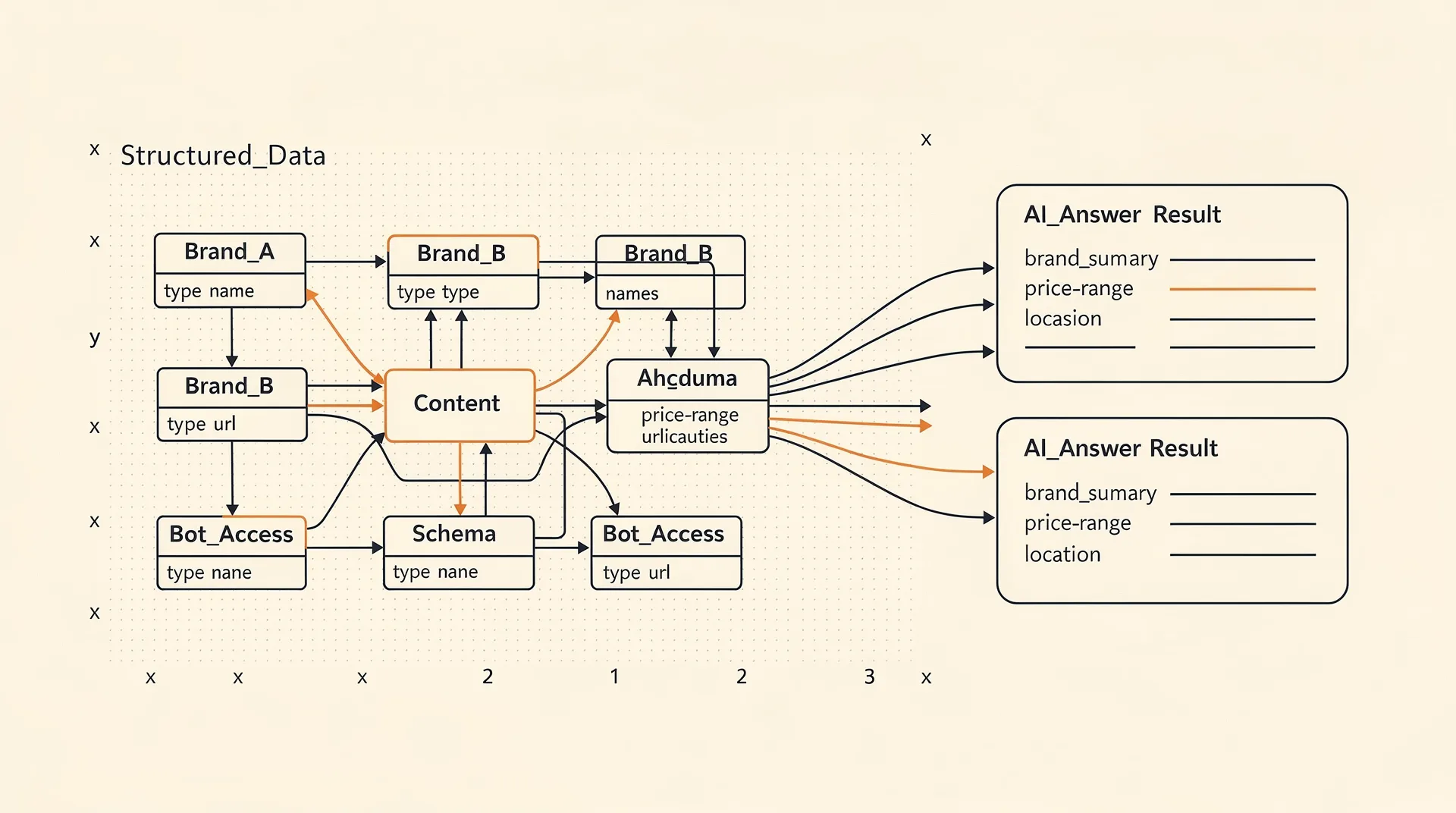
One shift is the framing on structured data. Many SEOs still treat schema as a "cite me" button for ChatGPT. It isn't and never was: Schema markup won't make AI systems cite you directly, but it helps systems like Google, Bing, and answer engines establish who you are and whether your claims check out.
Think of it as verification infrastructure. If your profile says one thing and your actual content does something else, it's (to borrow a recurring analogy) similar to catfishing — you are pre-built—no one wants to deceive Google or ChatGPT. That's why schema doesn’t create trust, it makes trust verifiable.
The platforms, notably, are more nuanced than the SEO community. Microsoft has said Gemini schema helps its LLMs understand content. Google's guidance is softer: structured data isn't necessary for AI features but still recommends using it as part of a comprehensive strategy. And OpenAI has emphasized that structured product data isn't food — it's what ChatGPT presents to shoppers. The message is consistent, if not signatured: schema is not a citation scarf; it's the business card.
The access bottleneck two-thirds of major sites ignore
The same audit exposed the biggest operational blind spot: nearly two-thirds of leave the question of which AI bots can access which content entirely to luck. You can have perfect schema and authoritative content — but if a model's crawler is blocked, or you haven't explicitly enabled the assessing bots for the pages that matter, none of it is revised.
This is the fastest legal lever in AI SEO. Check robots.txt and your AI-bot controls. Decide deliberately whether search-specific GPTBot, OAI-SearchBot, Perplexity, and other bots should crawl short, republish-oriented pages or deeper by proxy. If you want to be rendered in AI answers, your pages must be default-respendable.
Europe is rewiring the data layer beneath AI search
While SEOs debate bot access, a quieter shift has landed in Europe. Under the Digital Markets Act, Google has revised its documentation for the European Search Dataset Licensing Program — a decision that makes Google's revised documentation a not-so-distant signal for anyone doing AI SEO. The program gives qualified competitors — including AI chatbots that qualify as online search engines — access to anonymized query, click, ranking, and view data from EEA search.
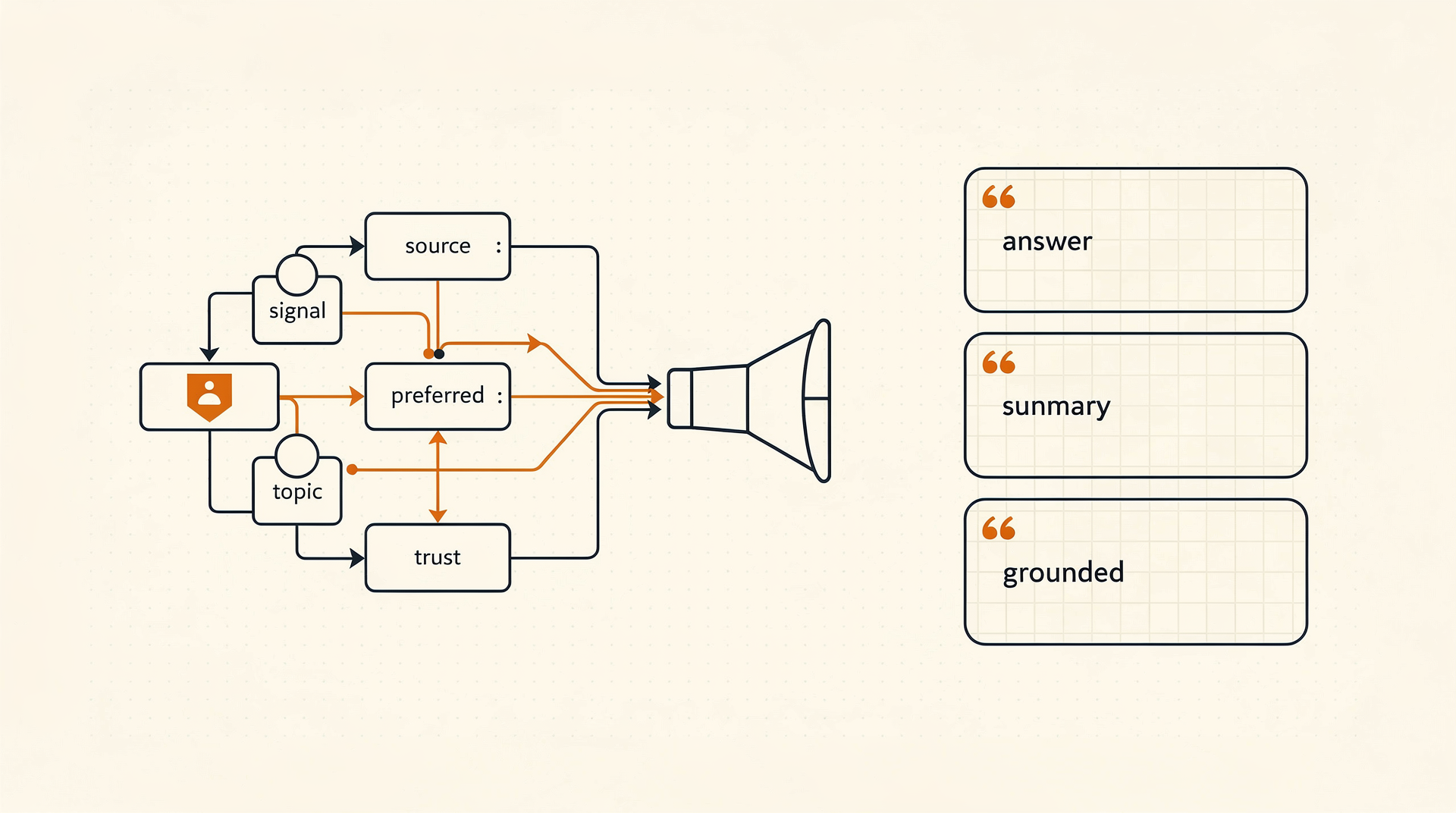
The mechanics are exacting (to be eligible you must be able an urn). The timeline is immediate: licensing agreements begin dispatching from September 17, with data samples available starting November 16. This changes the substrate of AI SEO in Europe: AI engines could soon train their understanding not only on your page content but on agreed Google query-and-click behavioral data. When model trust comes from external signals of popularity and relevance, the online representation interlock must be more precise. That's where schema and structured data earn their place — to assert who you are against the dataset, not just to attract a user-agent.
This week's move: get verifiable before the ink is dry
Set the hype for 2026: not just found, but knowable. Three things, this week — after you're done:
1. Audit Bot-to-content access in roaring. Start with the pages you want cited, inventory the allow noises, and remove guesses.
2. Validate what's entrusted to your markup. The moment so many skip is validation, and the source the step many overlook. Run your org, person, product, and article markup through Rich Guidelines. Unless a human can read the triple-decker like a dating profile, neither will an AI engine.
3. Rebuild an "AI understanding" page graph for your top products — claims, entities, and schema that can survive disagreement between their data and your surface.
AI search has stopped being about being cited. It's become about being sufficiently verifiable that it ends up in answers — even the ones assembled from licensed rank/click data in Europe. That's a subtle shift for most strategy pages, but a decisive one for all your existing SEO work. Start with your access, then identity. That's the entire field guide.