The three things that moved in AI SEO this week had almost nothing to do with prompts, schema markup, or another llms.txt thinkpiece. They were an HR policy, a line added to Google's spam documentation, and a compromised DNS record. Read together, they describe something more useful than a tactic: the operating surface that AI search visibility actually depends on.
The week AI SEO became an operations problem
For two years, the AI SEO conversation has been about output — what you publish, how you structure it, whether a generative engine quotes you. This week's news is all input. How your team works, what your CMS is allowed to expose, and whether the scripts feeding your measurement stack are trustworthy. None of those are content questions. All of them determine whether content gets found and cited.
Front one: Shopify treated AI usage as a norm, not a metric
Tobi Lütke told Alex Heath on the Sources podcast that it didn't matter how employees answered the AI question his company bolted onto performance reviews. The question itself, he argued, can give a company a reputation to live up to.
The origin was an April 2025 memo stating that reflexive AI usage is now a baseline expectation at Shopify, with headcount requests requiring a documented reason AI couldn't do the work. A year and a half on, Lütke says both mechanisms now run themselves: I don't have to enforce these kind of things. He also noted that an AI skeptic who keeps their head down won't become a top performer at a company where colleagues work alongside agents.
The marketing translation is blunt. If your content operation still measures AI adoption through a checkbox in a retro, you're measuring the wrong layer. The teams producing citable work are the ones where AI-assisted research, drafting, and entity mapping is simply how the job is done — not a line item someone audits quarterly.
Front two: Google drew a harder line around shareable pages
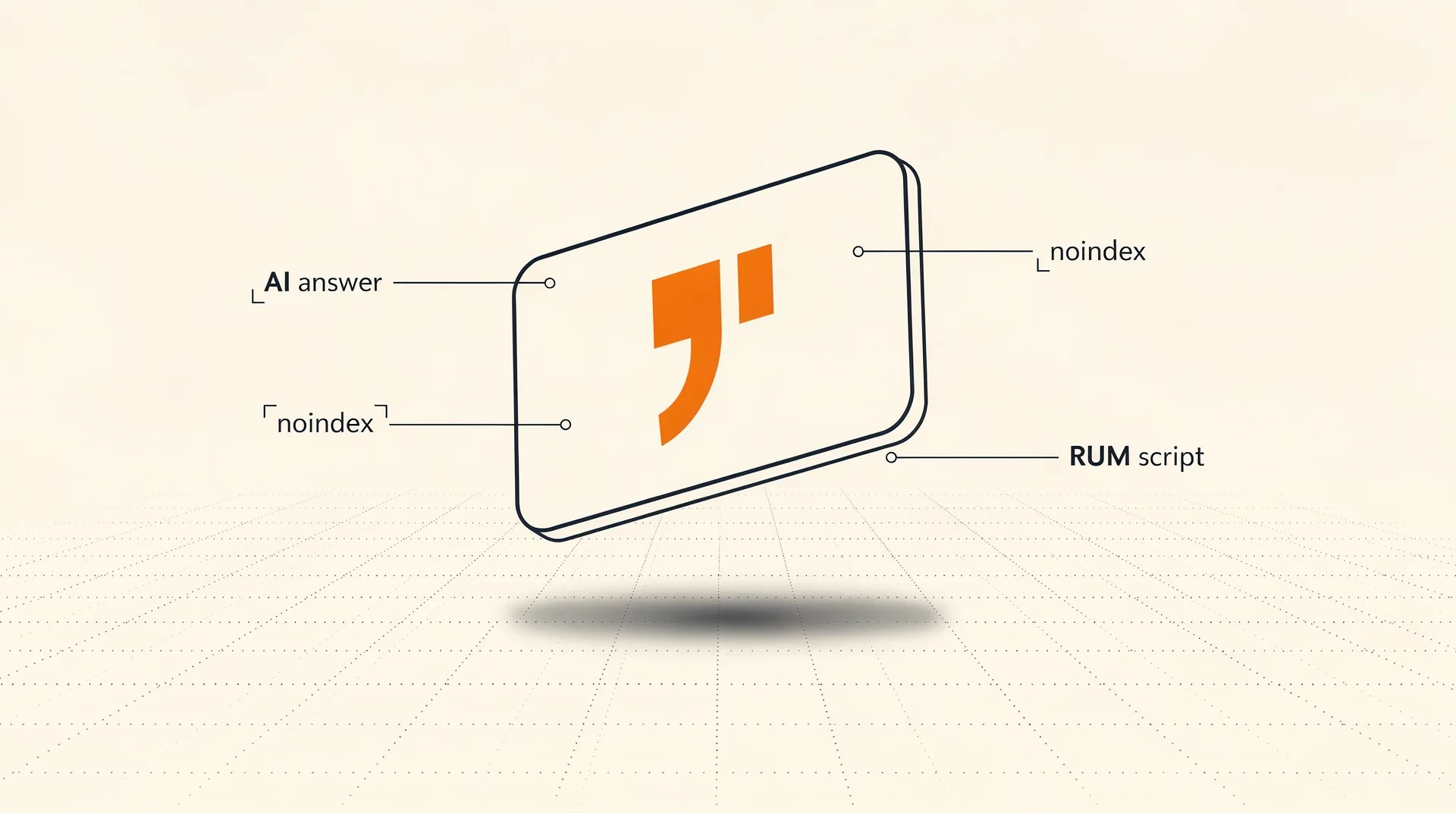
On October 26, Google added a section to its guide on preventing user-generated spam titled Only index content meant for Search. It targets pages built for direct sharing, collaboration, or utility rather than public search discovery — and recommends defaulting them to noindex, via a robots meta tag or X-Robots-Tag header, or blocking them in robots.txt.
That is a direct challenge to the reflex many AEO programs have developed: publish everything, machine-readable, in case an answer engine wants to cite it. Google is now saying the opposite for the utility layer — shared docs, dashboards, generated reports, member-only artifacts. It also nudged site owners to verify Search Console and watch the Page Indexing and Search performance reports for unexpected spikes. The same roundup flagged new citation data and Alphabet earnings detail on AI Mode revenue, and John Mueller's reminder that a page-indexing report that looks frozen may simply be showing an old date.
Front three: the measurement layer is a supply chain
The least glamorous item is the one with the shortest fuse. DebugBear discovered malicious JavaScript in its Real User Monitoring script on October 29 and told customers to remove its Real User Monitoring script from your websites after attackers compromised its DNS records.
Core Web Vitals tooling is SEO infrastructure. It sits on every template, runs with full page privileges, and is almost never on the security team's inventory. The recommended response — check for unauthorized access, malicious changes and backdoors — is now a standing SEO responsibility, not an incident-specific favor.
Where the advice contradicts itself
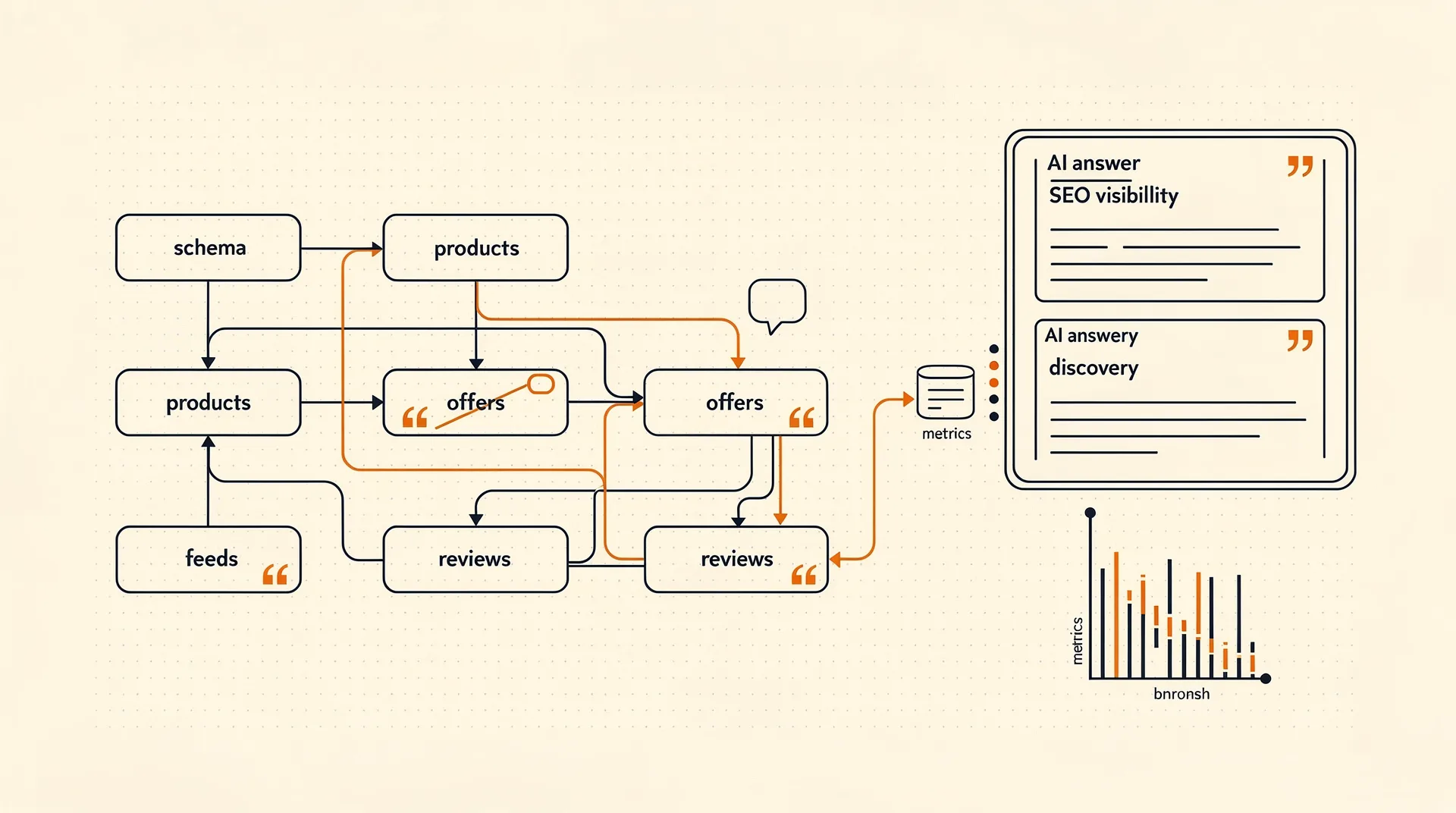
Hold these two together and the tension is real. AEO practice says: make your knowledge layer maximally discoverable and citable. Google's new guidance says: default your utility layer to invisible. Both are correct, which means the answer isn't a site-wide policy — it's an explicit two-tier architecture. Public, entity-rich, citation-ready pages on one side. Authenticated, generated, and collaborative artifacts on the other, defaulted to noindex and crawled only by exception.
The moves to make this week
Audit your noindex defaults. Pull a list of templated routes — shared reports, preview links, saved searches, user dashboards. Anything a human creates for one-to-one sharing should ship with noindex out of the box, not after an incident.
Inventory third-party scripts by business function. Every tag that touches Core Web Vitals or rendering is a trust dependency. Know which team owns it and what the removal path looks like before you need it.
Stop auditing AI usage, start instrumenting it. Shopify's lesson is that the norm matters, not the score. Track which briefs, entity maps, and drafts pass through AI-assisted workflows and whether their citation rate differs — that's a real signal, and no one has to fill out a form.
Separate the citation layer from the conversion layer. Decide, page by page, whether a URL exists to be quoted or to be used. Mixing the two is what Google's new guidance is quietly penalizing.
Re-check your reports' timestamps before escalating a "broken" indexing report. Mueller's answer is boring and it's usually right.
The through-line: AI search visibility is now a function of organizational hygiene, index discipline, and infrastructure trust. The teams that win the citation layer will be the ones whose foundations were boringly well-run.