The most important marketing news this week wasn't an ad product. It was a law firm. Cooley, a U.S. firm that works on IPOs, has put ChatGPT at the center of its go-public platform. Hex is shipping data agents that run on GPT-6 Astra. And OpenAI just published a youth safety blueprint for Australia. Three launches, one signal: generative AI has crossed from novelty to the operating layer of professional work. For marketers, that changes where visibility is won and lost.
What changed: AI is inside the work, not beside it
Cooley's GO Public platform is the clearest proof. Built with ChatGPT Work, it was designed to brings intelligence to the IPO process — a discipline where every misstep is public, regulated, and expensive. The point isn't that AI drafts documents. It's that AI frames the work itself, helping lawyers surface issues earlier and focus judgment where it matters most. When the highest-stakes work in business runs on generative systems, the "AI is a chatbot" framing no longer holds.
Hex makes the same point on the data side. Its agents use GPT-6 Astra to turn answers into interactive visualizations that employees are proud to share. The static report no longer fits the workflow. Analysis now ends as a conversation-ready artifact — precisely the format professional buyers carry into decisions.
And the policy layer is moving too. OpenAI has introduced the Australian Youth Safety Blueprint, a six-pillar roadmap for safer AI experiences that protect and empower young people. Regulators and platforms are actively coding the rules for what models will surface, suppress, and trust. That's not abstract policy; it's the operating system for the engines your buyers query.
Why it matters: the query is the new front door
Connect the dots and the pattern is hard to miss. Professional decisions — going public, analyzing a market, choosing a vendor — now begin inside AI-native environments. The buyer journey starts with a query, not a search results page. The generative engine decides which sources get read, quoted, and trusted, and it does that before a human ever sees a link.
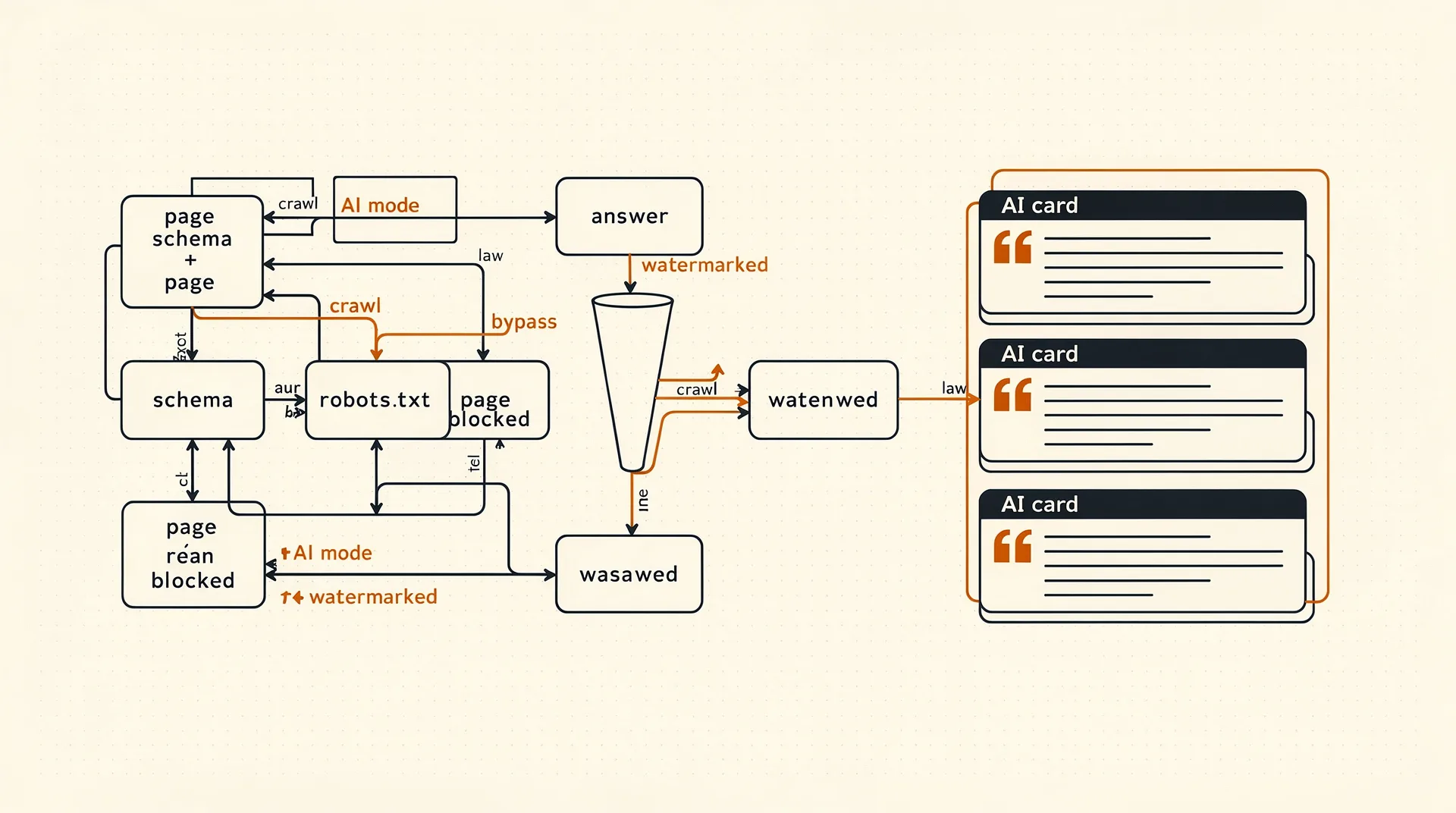
This is the GEO thesis in action. If Cooley's platform surfaces issues earlier, it's because the model is doing source-level triage on legal and market data. The same mechanism decides whether your brand surfaces when a prospect asks which partner or platform is worth talking to. You're no longer competing for position on a rankings page; you're competing to be the cited source inside an AI answer.
For B2B marketers especially, the stakes are structural. The classic demand-gen funnel assumed a human searching, clicking, and reading. That assumption is eroding on the top end: the people who sign enterprise contracts increasingly consume AI-generated synthesis with source links attached. The question isn't whether you're "ranked." It's whether your name appears in the answer at all.
Trust is the new ranking factor
The blueprint adds a third dimension to the story. Safety and trust policy directly shapes model behavior — and the direction of travel is toward content that is authoritative, sourced, and transparent. For marketers, the translation is concrete: entity clarity, expert authorship, published data with dates, and structured metadata are no longer technical hygiene. They are the credibility signals machine readers use to decide who gets included in the answer.
This is where many marketing organizations are mis-positioned. They optimized for human attention on a page that may never load, while the buyers who matter are reading model-generated synthesis that leans on a handful of trusted, citable sources. If your material isn't structured to be quoted, you don't appear.
The move for this week
Three practical steps, in priority order.
1. Run a generative visibility audit. Take the ten queries where your brand should win. Ask them of the model generation your buyers actually use — not a toy parameter. Note where you appear, who appears instead, and which sources the model trusts. That list is your gap analysis.
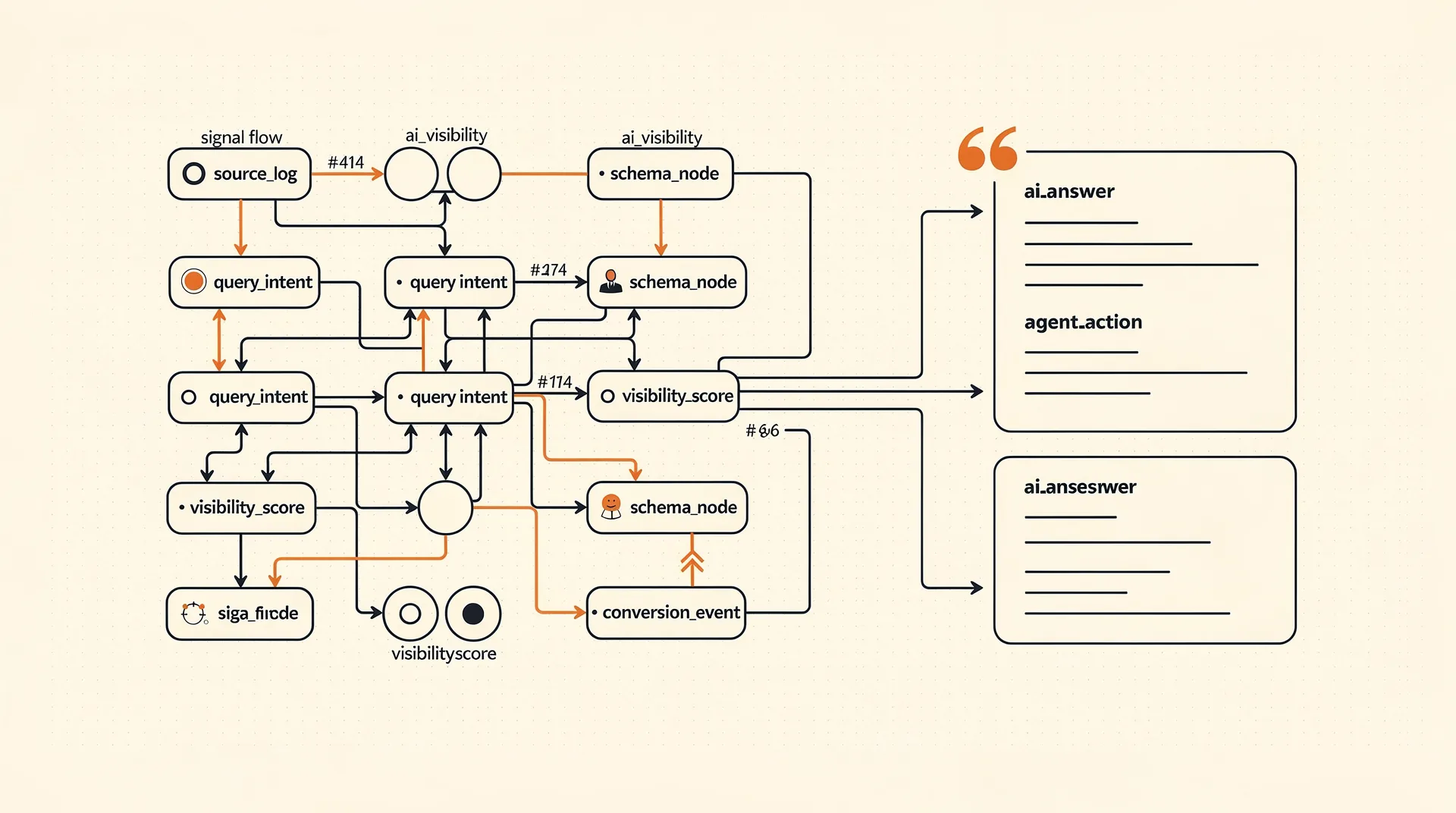
2. Fix the sourceable assets. For each gap, make the underlying signals machine-readable: a clear author bio, research or data with a publication date, schema markup, and copy written in answer-shaped formats. If a model can't cleanly attribute a claim to you, it won't include you.
3. Compete in the formats of the moment. Cooley's platform works because AI can reason over structured legal knowledge. Hex's visual reports work because they're shareable, interactive, and chained to the underlying analysis. If your value lives in a PDF nobody cites or a deck nobody shares, it is invisible to the generative front door.
The takeaway
The three launches look unrelated. They are one story: generative AI has become the default interface for professional work. Cooley is using it to accelerate IPOs. Hex is using it to make analysis shareable. OpenAI is using it to set the safety rules of the road. Each one tightens the same loop — the answer is where decisions get made, and the brands cited in the answer are the brands chosen.
The play isn't complicated, but it is now urgent: treat "be the cited answer" as a core channel, not a side experiment. Start with one query. Fix one asset. Do it this week.