For a decade, B2B visibility meant winning one competition: rank on page one for the terms your buyers type. That competition still exists. But it's no longer where the decision gets made. The first draft of most purchase decisions is now written by a model — an assistant synthesizes the category, names a few vendors, and summarizes why — before a browser tab ever opens. Generative Engine Optimization (GEO) is the discipline of making sure your company is in that draft.
This post is a primer: what changed, why the enterprise evidence makes it urgent, and the one practical move to make this week.
What changed: the answer comes before the click
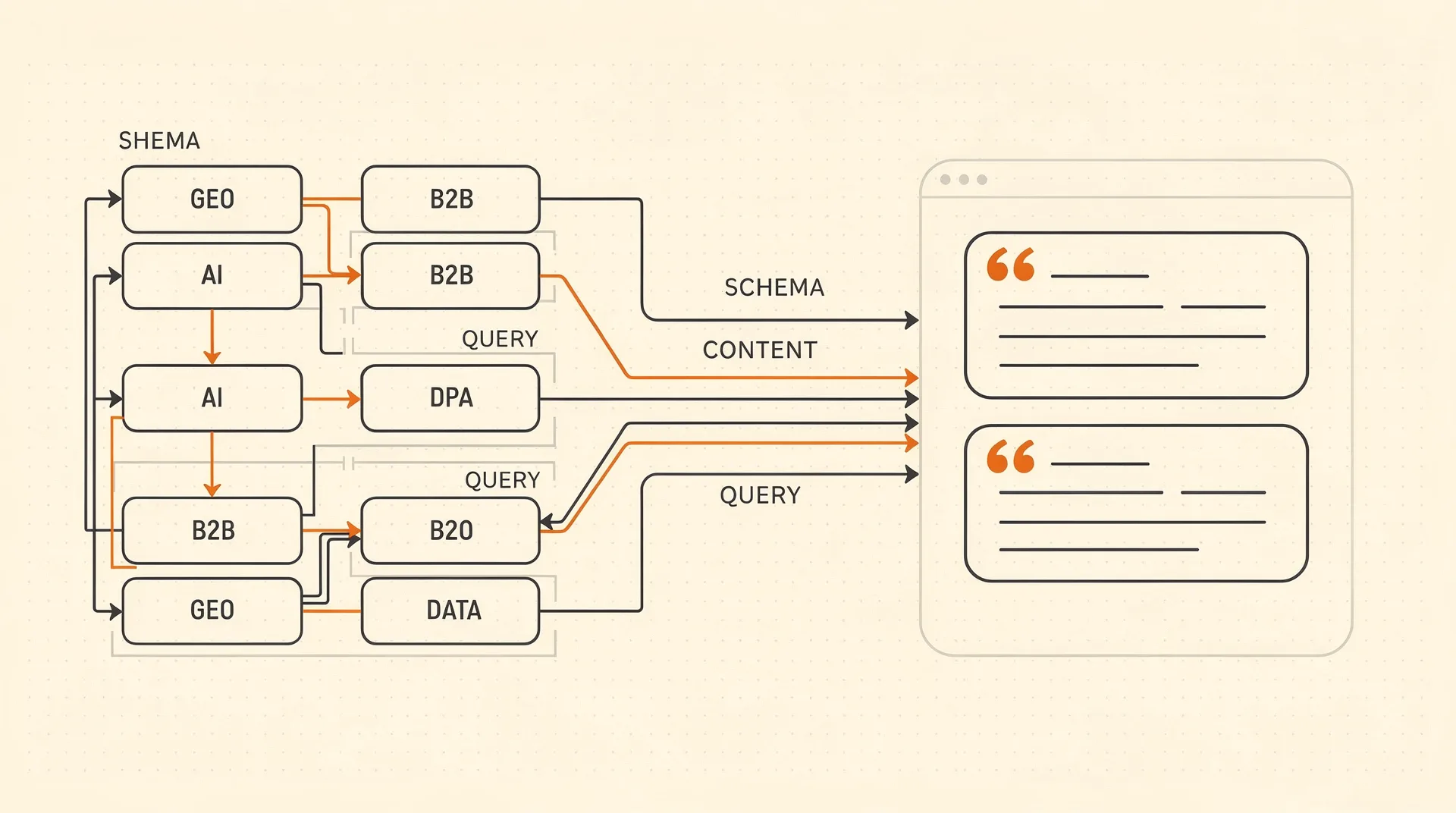
Generative engines don't rank pages; they retrieve passages, synthesize them, and deliver a single answer with a shortlist of named options. Your buyer may never see your homepage. They see whatever the model decided to say about you — accurate, stale, or absent.
Absence is the dangerous one. In a synthesized answer, "not mentioned" doesn't read as neutral. It reads as not considered. A competitor gets named in your slot, and the buyer's framing of the category gets built around someone else's positioning. The zero-click problem SEO teams have been managing for years has become a zero-consideration problem.
The enterprise tell: AI is now sanctioned infrastructure
Two years ago, you could dismiss AI assistants as consumer toys used unofficially at work. That escape hatch is closed. Look at what OpenAI is publishing for business audiences: lessons from hundreds of successful deployments — not pilots, production systems rolled out inside companies. Alongside it, practical examples of employees using ChatGPT Enterprise to analyze data and uncover insights, and guidance on fine-tuning GPT-4o for business-specific work.
Read these together and the signal is clear: AI has become workplace infrastructure, sanctioned and provisioned by the IT department. The same interface that summarized your prospect's pipeline this morning is the one they'll ask "who should we shortlist for this?" this afternoon. These webinars are about internal workflows, not marketing — but that's precisely the point. The buyer's AI habit is being trained and normalized at work, where purchase decisions happen.
Why the SEO playbook only half-works
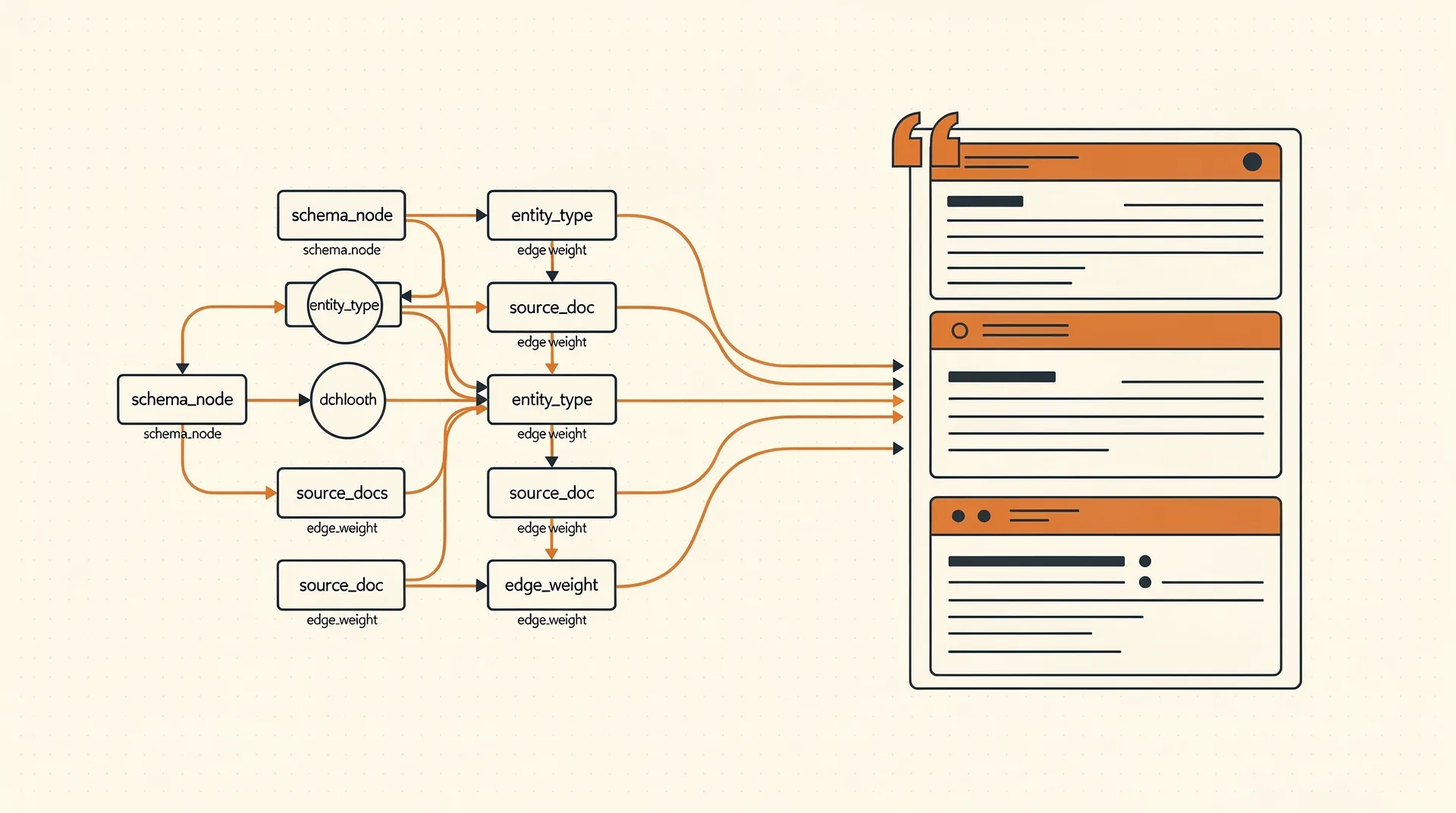
Most of what you've built for SEO still helps. Models retrieve from the open web, so authority, crawlability, and clear writing remain table stakes. What changes is the unit of optimization. SEO optimizes the page for a ranked list; GEO optimizes the claim for a synthesis. A model doesn't rank ten blue links — it lifts sentences, attributes ideas, and compresses an entire category into a paragraph. You're no longer competing for position. You're competing to be the sentence it quotes.
What GEO actually is — and isn't
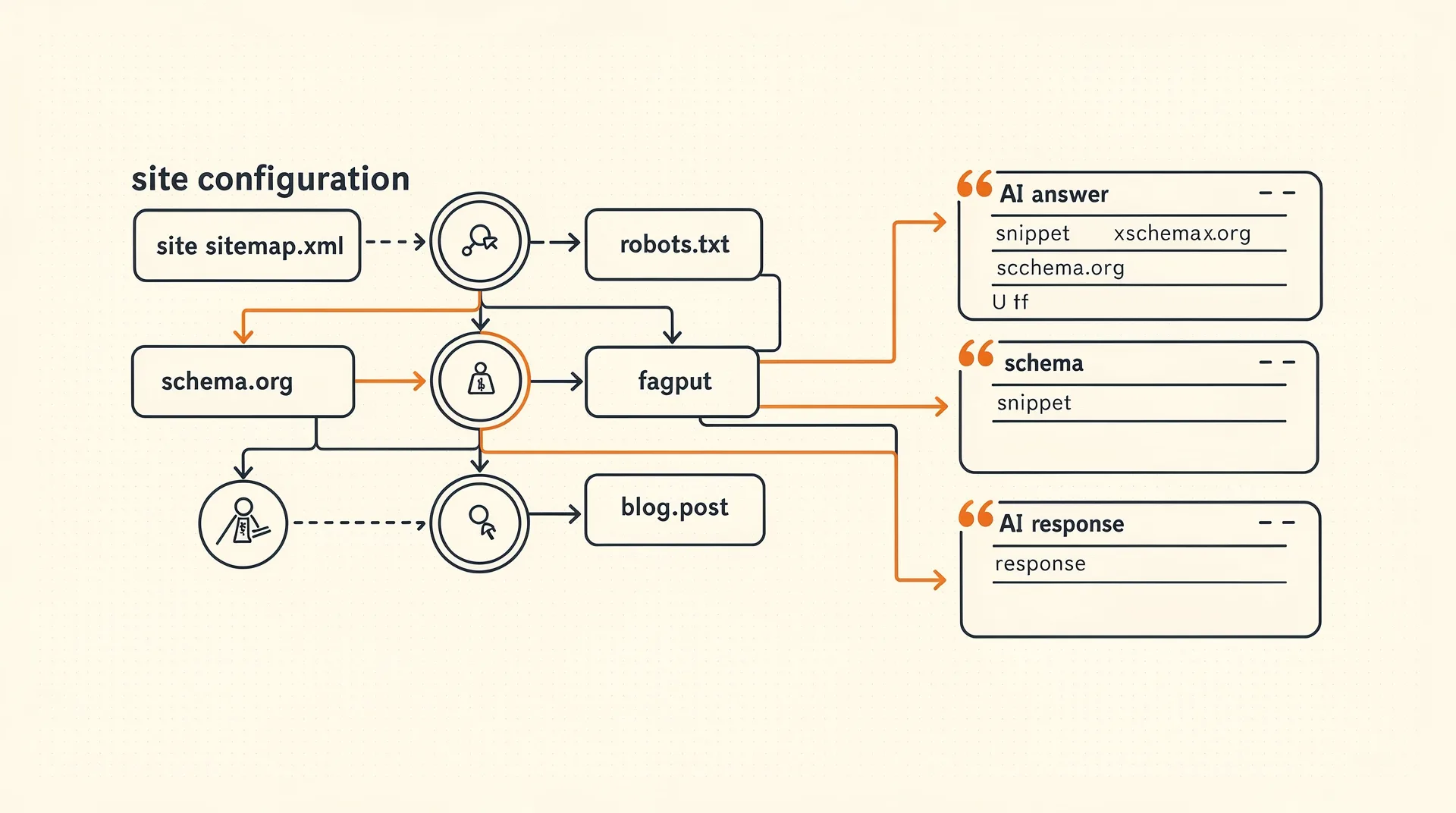
GEO is not keyword stuffing for robots or paying for placements inside a chatbot. It's making your content the easiest thing in the corpus to cite correctly:
- Quotable definitions. Own a crisp, one-sentence definition of your category. Vague positioning gets paraphrased into someone else's framing.
- Specific, verifiable claims. Models favor concrete statements they can corroborate across sources. Hedge everything and you become noise.
- Comparison content. "X vs. Y" and "alternatives to" pages are retrieval magnets — and they're the pages buyers' questions actually resemble.
- Third-party corroboration. If only your site says it, the model treats it as marketing. If independent sources repeat it, it becomes consensus.
The fine-tuning piece matters here too, and not just for engineers. Businesses are being shown how to customize the model itself — which means the data these systems learn from and ground against is being curated right now, by someone. Better that "someone" includes content you control.
The move to make this week
Run a citation audit. It takes two hours.
Write down ten questions your buyers actually ask, in their language: "best [category] for [use case]," "[you] vs. [competitor]," "alternatives to [incumbent]." Ask each one to the major assistants. Log three things per answer: Are you cited? Who is? Is what's said about you accurate and current?
That log is your GEO baseline, and it will usually surface one glaring gap — a muddy category definition, a missing comparison page, or a description of your product that's eighteen months stale. Fix that one thing this week. Publish the quotable version.
Measure it without lying to yourself
Attribution here is genuinely messy. AI answers rarely send referral strings you can celebrate in a dashboard, and we won't pretend otherwise. Watch leading indicators instead: your citation share across the audit questions, re-run monthly; branded search volume in the weeks after answers change; direct traffic to comparison pages. Directional beats late. If your attribution model needs certainty before you act, you'll act after your competitors have already become the default answer.
The uncomfortable math: the answers being synthesized today are being treated as consensus tomorrow. This is cheap to start and hard to reverse — which is the best argument for starting now.