Google's links were never one thing
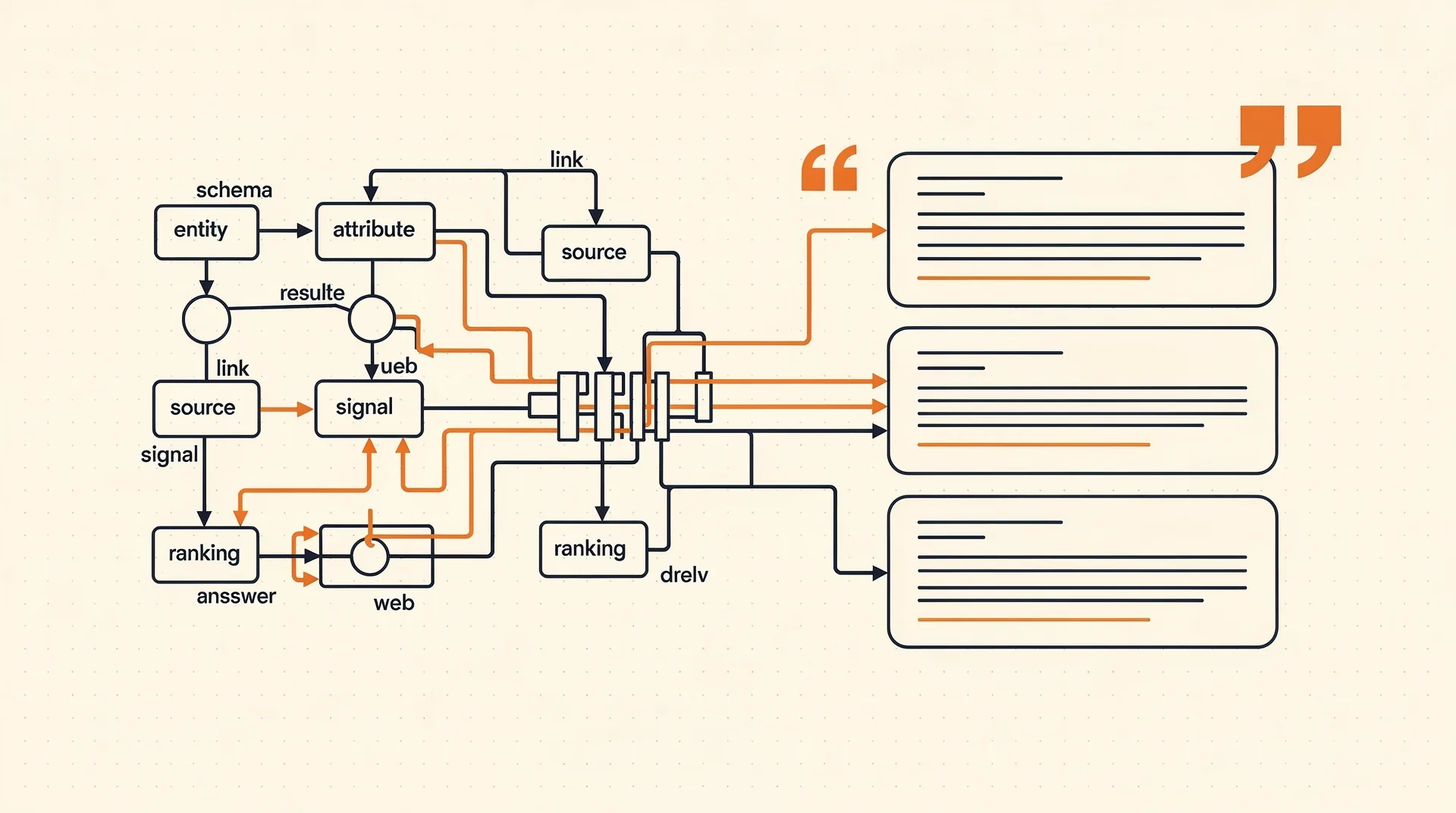
Not every link inside an AI Overview behaves the same way, and Google's own documentation says so. There are links placed next to the answer text, article suggestions that close out a response, previews of online discussions with links back to the thread, and — since January, on mobile — a follow-up question that opens a conversation in AI Mode rather than a page. In Search Console terms, clicking on a link to an external page in an AI Overview counts as a click, while a link that merely runs a new Google query counts as neither a click nor an impression.
That asymmetry is the story of the year, and it arrived this week in two posts that look like they contradict each other. The percentage of AI Overviews that contain an external link within the answer text was charted by Peec AI on September 21, using a daily average from August 25 to September 20. Earlier that same day, Gagan Ghotra shared a recording where he clicks on underlined text inside an AI Overview and is taken to an AI Mode conversation instead of a website.
One measures presence. The other measures destination. Both are accurate, and neither is the number most teams are putting in a dashboard.
Presence is not a destination
This isn't drift — it's policy. In August 2025, Robby Stein, VP of Product at Google Search, stated that the company's main goal for AI Mode was to display more inline links, and desktop gained link carousels alongside it. Google is deliberately manufacturing more link surface inside the answer. What it is not doing is guaranteeing that surface terminates on your site.
So a rising count of AI Overview links is not evidence of rising referred traffic. If your AI visibility reporting blends external-page links with query-launching links, you are measuring the size of the doorway and calling it footfall. Fix the segmentation first.
The text-only layer strips out the wrong layer
While everyone shipped markdown mirrors, the interesting failure went unexamined. A markdown mirror of a web page is prose, and whatever a visitor could have pressed is gone by the time the machine receives it. Serving markdown to AI agents solves the reading problem and not the doing problem — a distinction drawn in February 2026 that seven months later only one platform, Shopify, has meaningfully touched. The readiness scores and the GEO work aimed at getting cited in AI answers have largely not.
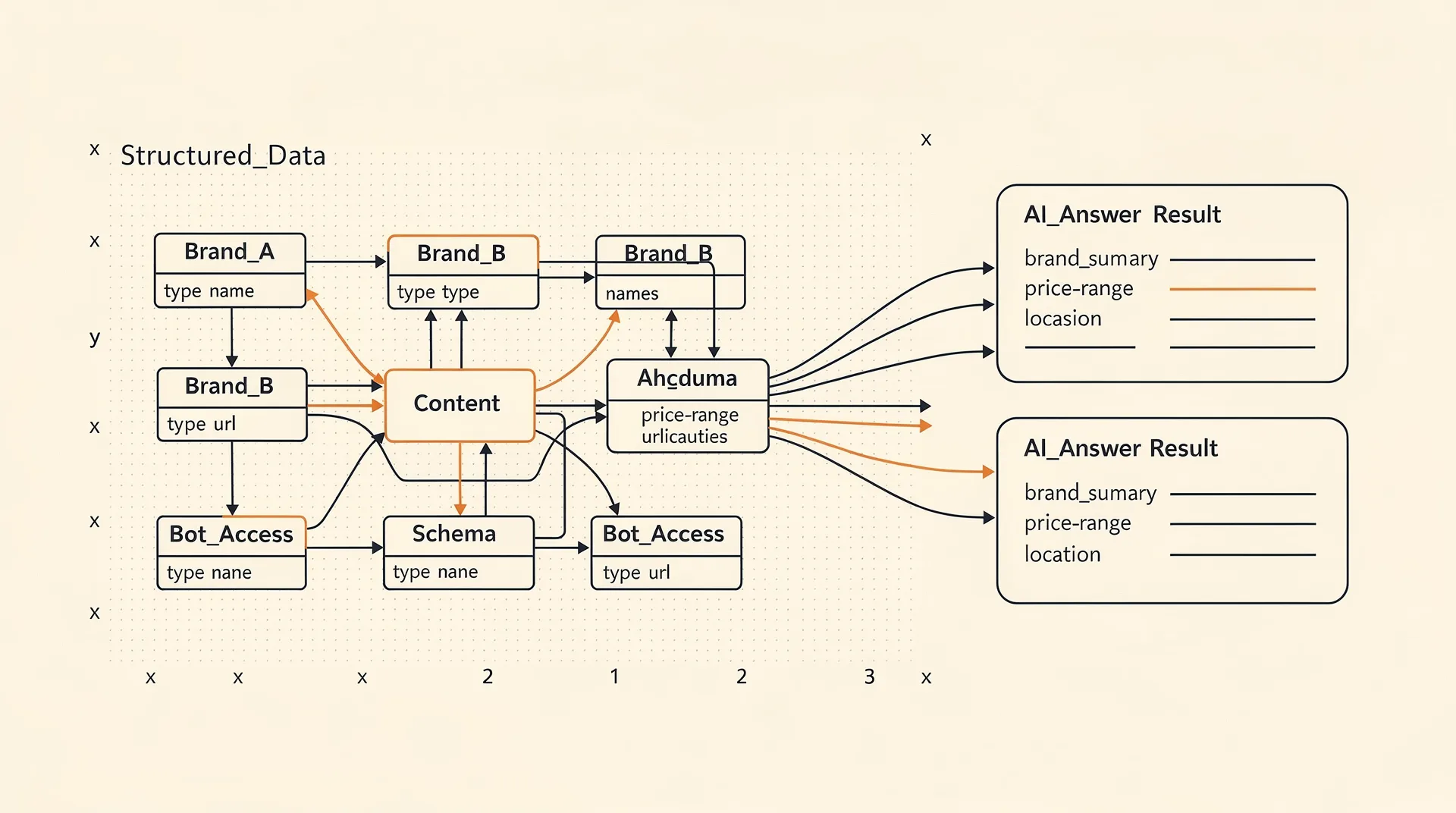
The layer that does survive the exercise is structured data, because a person was never its audience to begin with. Scale makes the point: JSON-LD alone is on 55.6% of the websites W3Techs measures, as of September 2026. If you have budget for one machine-facing artifact this quarter, it is the structural layer, not another stripped twin of the site.
Agents amplify whatever your audience data already is
The third shift is quieter and more expensive. Agents are being sold as a replacement for human research — pulling sources, spotting patterns, building audiences. The mechanism doesn't support that claim. Agents run on audience data at a scale no human team can match, and whatever quality that data had comes out the other end louder.
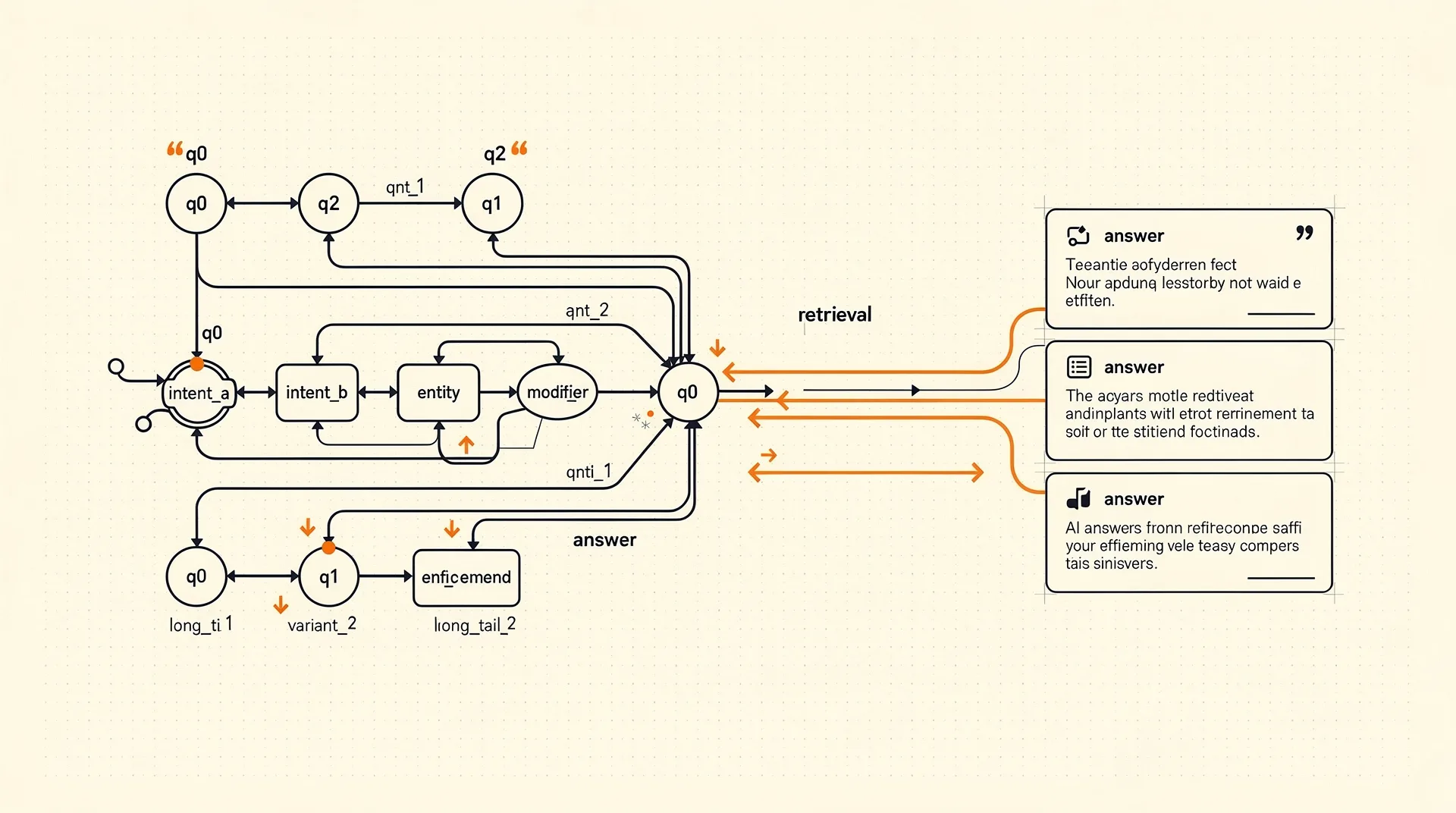
Mallory Gray, creative director at Skydeo, a company drawing on 1.4 trillion data points across more than 320 million people, put the division of labour plainly: "A human researcher might look at several sources, identify patterns, form a hypothesis, and build an audience from there." An agent instead works across "thousands of behavioral, purchase, interest, and intent signals" simultaneously, revising continuously as new information arrives. Humans still decide what matters and what the brand does about it. The agent expands the volume of raw material feeding that decision — including the bad material.
Being mentioned is not the same as being chosen. That cuts against most of what currently passes for AI marketing strategy.
The move to make this week
Three things, in order.
First, segment your Search Console AI Overview clicks by link type. External-page links count as clicks; query-launching links count as nothing. Any report that treats them as one figure is quietly wrong, and it will keep being wrong as Google adds more inline links.
Second, audit your structured data before you build another markdown mirror. The machine-only surface is where durability lives, and it's the layer that survives contact with an agent that needs to act rather than read.
Third, stress-test the audience data feeding any agent you've deployed or plan to. Bad data doesn't get fixed at machine speed. It gets multiplied.
None of this is a reason to slow down. It's a reason to stop counting doors and start counting who walks through them.