Three stories landed in the trade press this week that look unrelated: a comment counter, a version bump in Lighthouse, and a copyright lawsuit. Read together, they describe one shift. Distribution is being repriced, and the only surfaces you can still price are the ones you own.
What changed: the click got harder and the score got easier
Start with the demand side. Getting people to click on articles is becoming increasingly difficult, and the surfaces that used to hand you traffic have no incentive to reverse that. Publishers are being pushed toward building and owning audiences instead of renting them from platforms.
The Athletic's answer is almost embarrassingly simple. Its homepage shows readers how many comments selected articles have generated — a live social-proof signal telling you which pieces its readers actually care about. It is not a personalisation engine or a recommendation model. It is a number next to a headline, and it does the work that a content strategy deck usually fails to do. The commercial context makes the case sharper: in Q2 2025 revenue was up one-third to $54 million with an adjusted operating profit of $5.8 million, and ad revenue nearly doubled to $14.1 million.
Why it matters: engagement is now the distribution signal
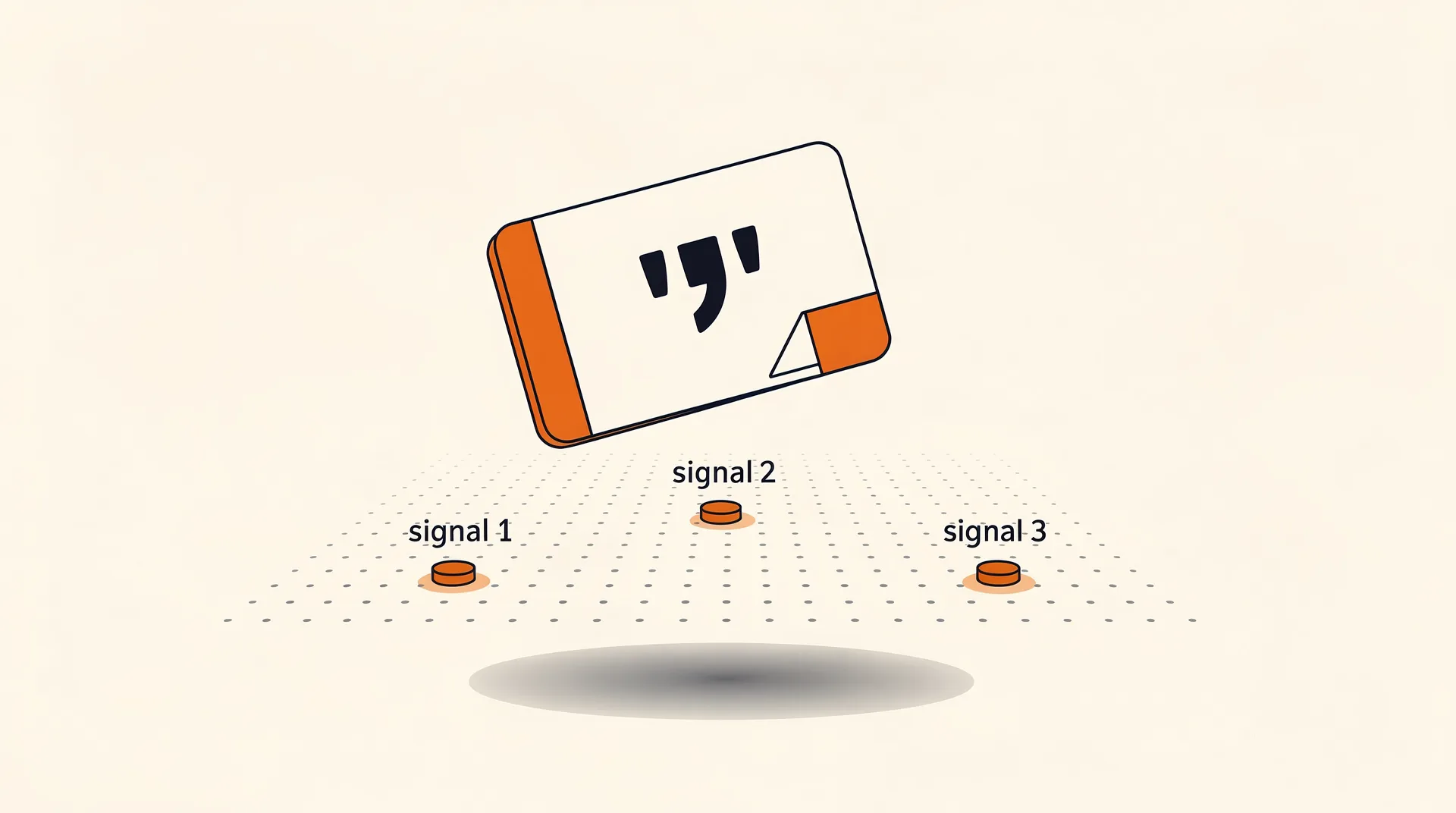
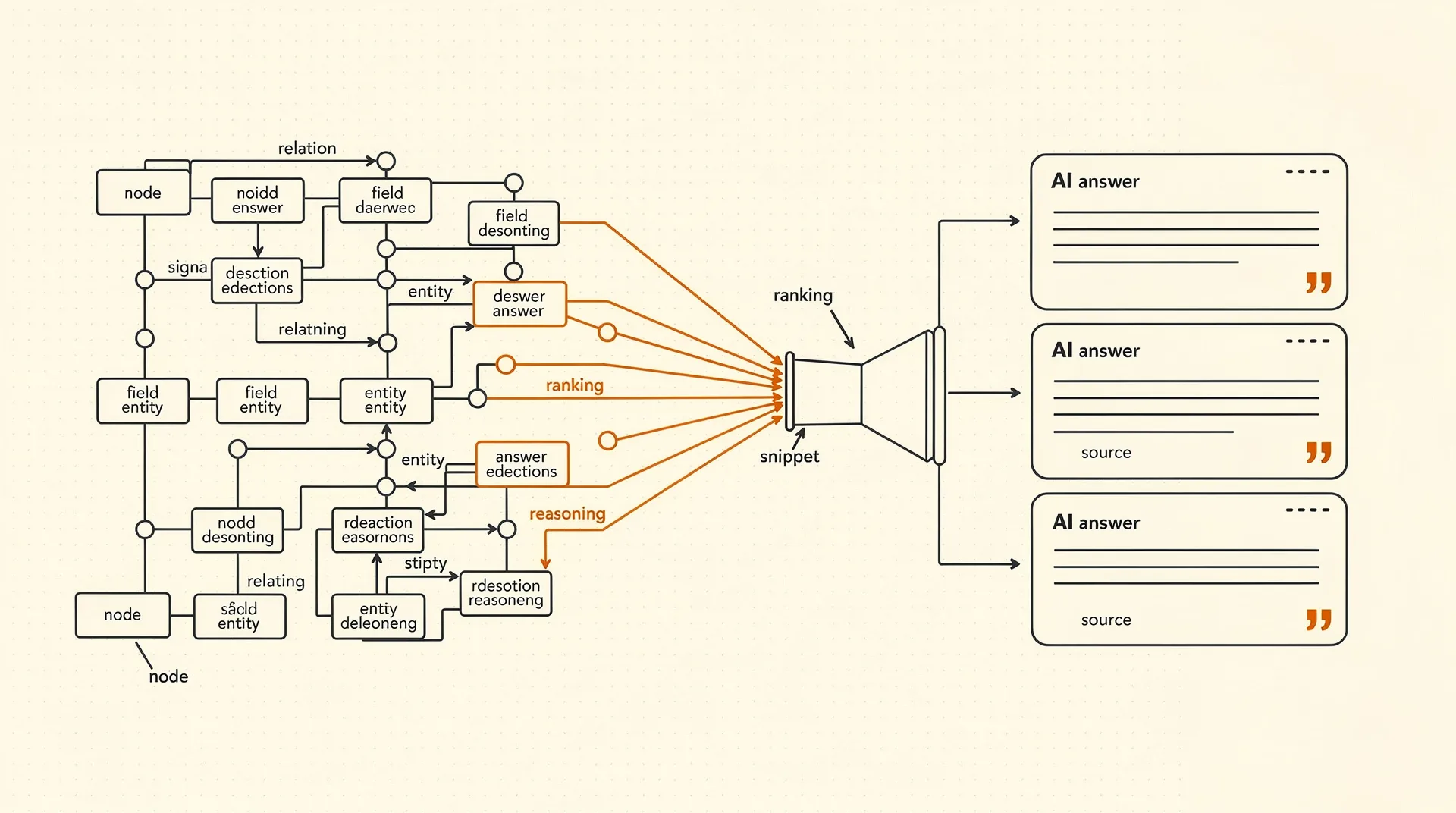
Every AI-mediated surface ranks and recommends on evidence of human interest. Comments, citations, shares, repeat visits — these are the inputs that decide whether your content gets surfaced again, whether in a feed, a SERP, or a generated answer.
Which means the old publisher instinct, publish and hope the algorithm notices, is now a losing position. You have to manufacture the signal on your own property first. A comment count is cheap to display and expensive to fake at scale, which is precisely why it works.
The score you report may not be the score you earned
Lighthouse 13.6.0 shipped October 27 and is now live in PageSpeed Insights. It changes how the test simulates page load, and Chrome's Web Performance Developer Advocate Barry Pollard says the update improves simulated First Contentful Paint and Largest Contentful Paint, which will be more accurate than before and generally result in higher scores.
He is equally explicit about the caveat: a page may receive a different PageSpeed Insights score without anything on it changing, purely because the test changed. And websites heavily dependent on JavaScript would be more likely to see an impact — one developer reported single-page apps seeing a big improvement, with react.dev cited as the example.
Two operational consequences. First, if your performance dashboard shows a step change this week, check the test version before you congratulate the engineering team. Second, Lighthouse is a simulated lab test; the field data from real Chrome users comes from the Chrome User Experience Report and is a separate measurement entirely. Do not let a lab-score bump stand in for a real user-experience improvement.
The scraping question is now a legal question
The New York Times is suing the makers of Brave, alleging unauthorized copying of journalism and copyright infringement — specifically scraping publisher content to sell to AI companies and enabling customers to bypass its paywall.
Here is the contradiction worth holding rather than resolving. Brave's privacy-first positioning is, on its own terms, accurate: it runs an independent index, it does not track users across the web the way Google does. The complaint does not dispute any of that. It disputes what happens to publisher content in the process. You can be the good guy for the reader and still be the extractor for the publisher — and in a market where AI answers are assembled from other people's reporting, that distinction is about to be litigated rather than argued.
For marketers, the lesson is not legal, it is structural. If your content is valuable enough to be scraped, it is valuable enough to be licensed, gated, or defended. Most brands have no position at all on which AI crawlers may read them and under what terms. That is an unforced error.
The move to make this week
Four things, in order of leverage.
Instrument your owned surface. Add a visible engagement signal to your highest-intent pages — comment counts, citation counts, "most-read this week." You are not decorating; you are feeding the signal that downstream systems now read.
Separate lab from field in your reporting. Re-run PageSpeed Insights, note the Lighthouse version in the report, and keep CrUX field data as the source of truth for user experience. A test-side score change is not a win.
Audit your AI crawler posture. Decide, explicitly and in writing, which AI crawlers can access your content, which are blocked at the edge, and which you would license. Then make robots and bot-management policy match that decision.
Build the asset that cannot be scraped. The Athletic's counter works because it sits on a property it controls, in front of an audience it owns. Email, community, direct traffic — the boring channels — are the ones a lawsuit cannot reprice.
The through-line
Clicks are under pressure, measurement is being retested, and the value of original content is moving from traffic to leverage. None of those trends favours the brand that waits for the platform to settle the rules. They favour the brand that owns a surface, knows its numbers, and has already decided what it will and won't hand over.