What changed: AI is becoming a place to get work done
The shift is bigger than a new search interface. AI tools are increasingly being used to help people complete tasks: find an answer, compare options, review information or build something. For marketers, that changes the job from simply attracting a click to making a brand’s expertise useful and credible wherever a question gets answered.
The examples are practical. Stack Overflow says two engineers built Stack Overflow for Agents in a few weeks with Codex, and that its ChatGPT plugin helped drive up to 10× growth in agent creation. At Benefit Street Partners, Anant Kumar uses Codex to build tools for comparing loan valuations and analyzing credit agreements, as well as for code review and faster follow-ups. And Itaú is applying generative AI to customers and employees through its ia.i conversational interface and IARA governance platform, in a highly regulated sector.
These are not case studies proving that a particular GEO tactic improves visibility in AI answers. They do show a broader change: AI is being applied to real tasks, inside real workflows. Marketing content needs to be useful in that context—not just persuasive on a landing page.
Why it matters to marketers
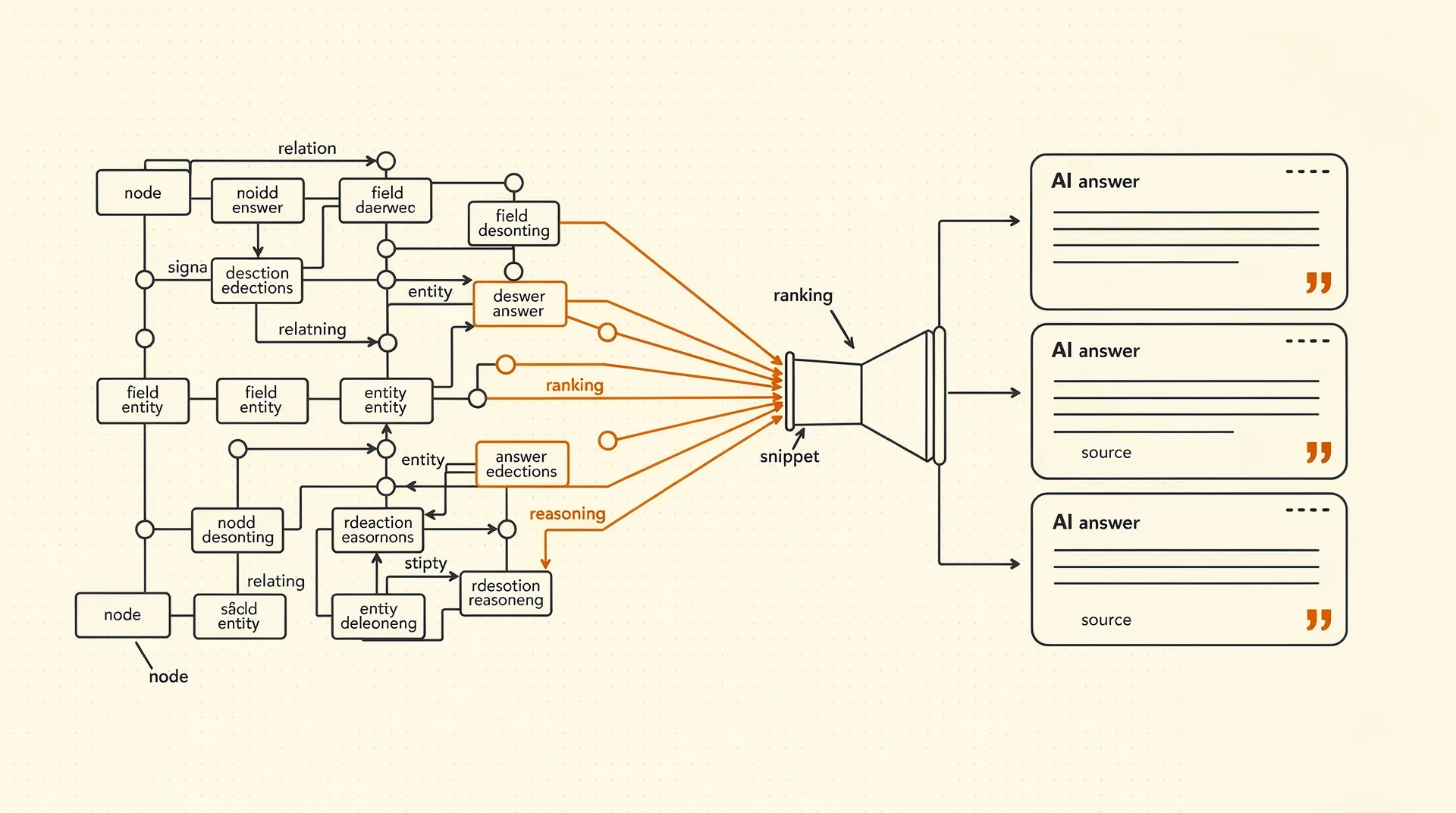
Generative Engine Optimization, or GEO, is the practice of improving the chances that a brand’s information is found, understood and used in AI-generated responses. It overlaps with SEO, but puts more emphasis on whether content clearly answers questions and provides enough context to be represented accurately.
That distinction matters because a mention in an AI response is not automatically a meaningful business outcome. A useful answer might help someone understand a category, evaluate a solution or decide what to ask next. If the underlying content is vague, outdated or hard to verify, a brand has less control over how its expertise is interpreted.
The case studies point to a useful standard: start with the task. Stack Overflow for Agents is built around helping developers work with Stack Overflow knowledge in an AI setting. Benefit Street’s tools support specific financial analysis workflows. Itaú’s initiative pairs a conversational experience with a governance platform. In each example, utility and the surrounding system matter—not just the fact that AI is involved.
For marketers, the implication is not to publish more content for its own sake. It is to make valuable information clear, well-structured and grounded in evidence, so both people and AI systems can make sense of it.
GEO is not a shortcut around good marketing
A common mistake is treating GEO as a new ranking trick: add a few conversational headings, insert a brand name repeatedly and expect AI systems to cite the page. That approach confuses the format of an answer with the quality of the information behind it.
A better starting point is to ask what a prospective customer needs to know before making a decision. Can your content explain how a product works, who it is for, what it costs, what it does not do and how it compares with alternatives? Are claims specific enough to evaluate? Can readers identify who is responsible for the information and when it was updated?
This is useful whether an answer comes from a search engine, an AI assistant, a colleague or a sales conversation. GEO should reinforce a sound content strategy, not replace one.
The practical move to make this week
Pick one high-value customer question that your sales or support team answers repeatedly. Choose a question with a clear business connection—such as how to evaluate a solution, what a product is designed to do or how two approaches differ.
Then review the page you expect to answer it. Make the response direct. Define necessary terms. Separate confirmed facts from recommendations. Add relevant constraints, examples and next steps. Link to primary documentation where appropriate, and make ownership and update dates easy to find. If the answer depends on context, say what that context is instead of presenting a universal claim.
Finally, test the page against the question in a small set of AI tools your audience might use. Look for gaps and misreadings, not a guaranteed citation. Does the response capture your point accurately? Does it omit a critical qualification? Can the tool distinguish your organization’s facts from general advice? Record what you observe and revise the page where the underlying information is unclear.
Treat trust and governance as part of the experience
The Itaú example is a reminder that a conversational interface is only one part of deploying AI, particularly in a regulated environment. The company describes its IARA governance platform alongside ia.i. Marketers should take a similar systems view: trustworthy answers depend on dependable source material, clear review processes and responsible handling of customer information.
That does not mean every marketing team needs an enterprise AI governance platform. It does mean deciding who owns important claims, how often they are reviewed and what information should never be shared with an AI tool. These decisions protect the customer experience as well as the brand.
Measure usefulness, not just mentions
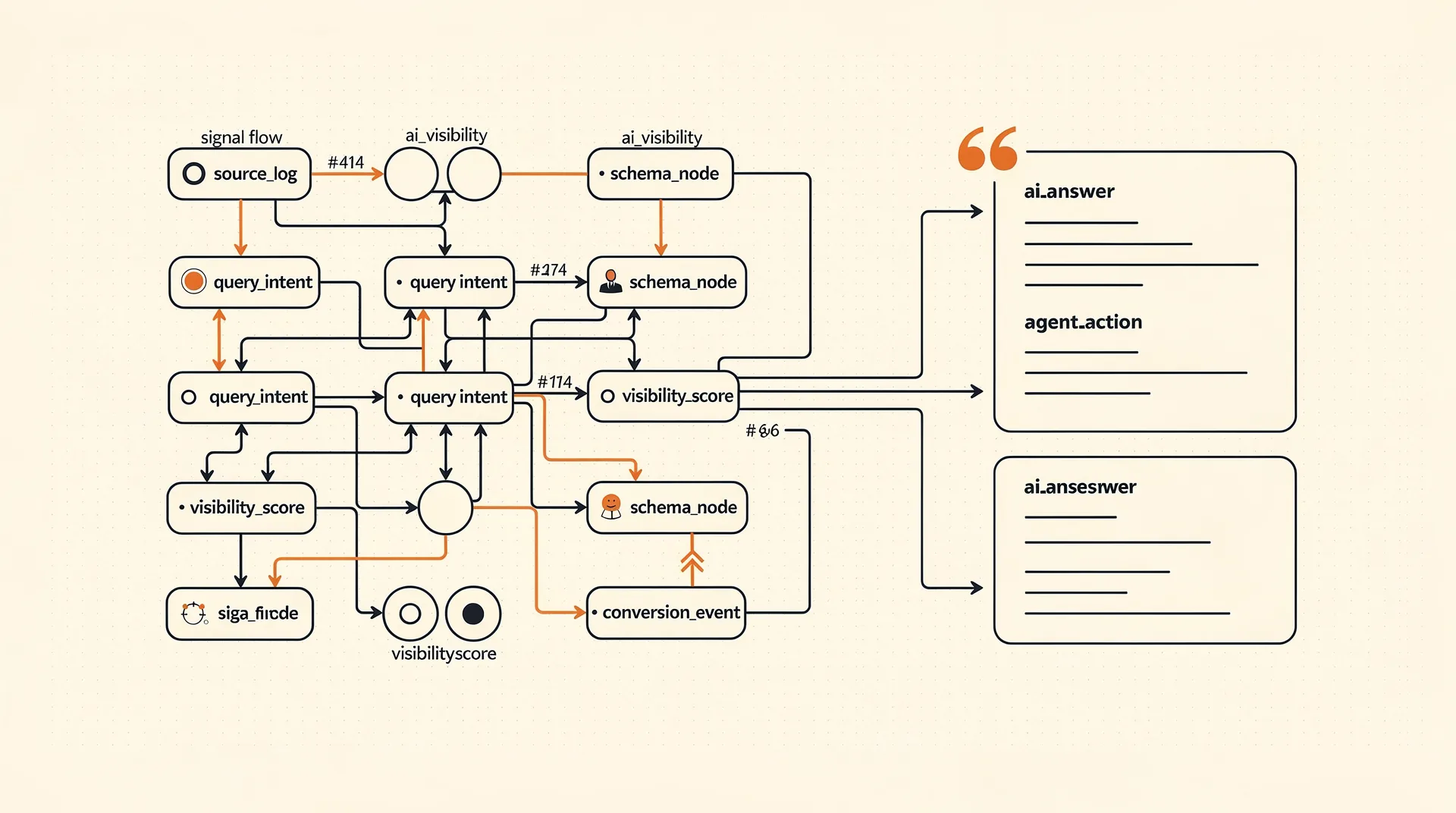
AI visibility is worth monitoring, but a mention alone is a weak measure of success. Track whether important questions are answered accurately, whether your core information is represented correctly and whether the pages built to support those questions contribute to qualified engagement or pipeline. Keep AI referral traffic and assisted conversions in view where measurement is available, but avoid treating an unstable or incomplete signal as proof of impact.
The immediate GEO opportunity is straightforward: make your best answers easier to find, interpret and trust. Start with one real customer question this week, improve the source page and check whether AI tools represent it faithfully. That is a more durable move than chasing a citation without improving the information behind it.