Three stories landed this month that, taken together, sketch where AI-era search and commerce are heading: how models should write, how Google defines deceptive content, and how your products end up inside chat apps without anyone asking. Each one is actionable on its own. Read as a set, they describe a market where precision of language, verifiable human expertise, and machine-readable commerce are the new table stakes.
Karpathy's quiet argument: constrain the writing, free the thinking
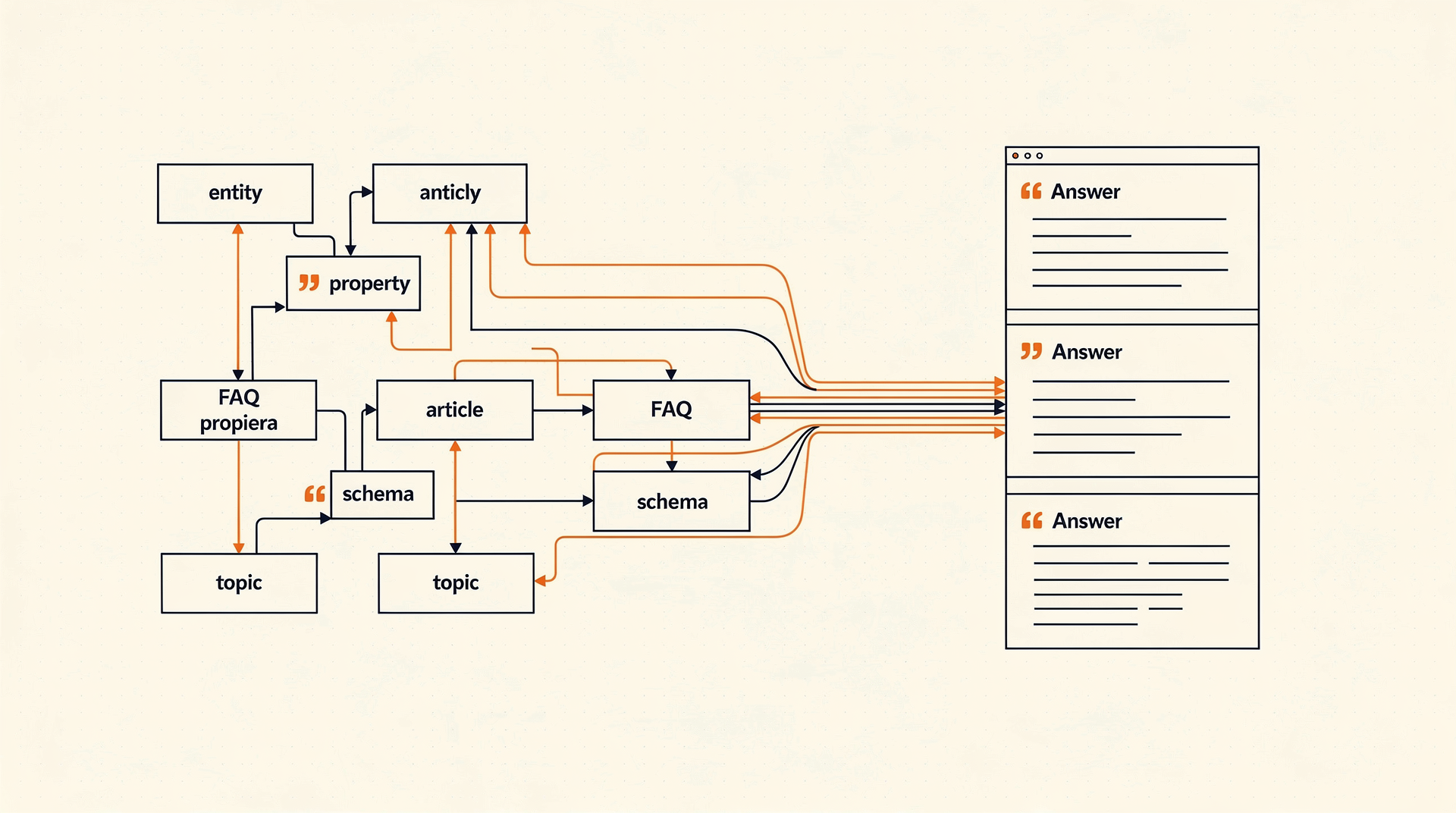
Andrej Karpathy — an OpenAI founding member who joined Anthropic's pretraining team in May — posted that he's had success asking language models to write in ASD-STE100, the controlled English standard built for aircraft maintenance manuals. The standard is maintained by ASD, the European aerospace and defense association, and its rules pair a strict writing style with a dictionary of roughly 900 approved words, most carrying exactly one meaning. Karpathy observed that models know the standard well and that its constraints on clean style often produce text that is markedly more readable. When the full standard is too stringent, he softens the ask to "80% of the way to ASD-STE100."
The deeper point is his framing of a progression: controlled English, then diagrams, then HTML pages, then explainer videos — each format, in his words, "even better." As models absorb more of the legwork, human work rises "up the abstractions into oversight and understanding."
For marketers, this is a brief for clarity as a competitive input. If you're producing content that LLMs cite, summarize, or repurpose, ambiguity is friction. Sentence-per-idea, one-meaning-per-word writing isn't dumbing down — it's making your content the easiest source for a generative engine to trust and reuse.
Google moves fabricated authors from rater guidance to site-owner guidance
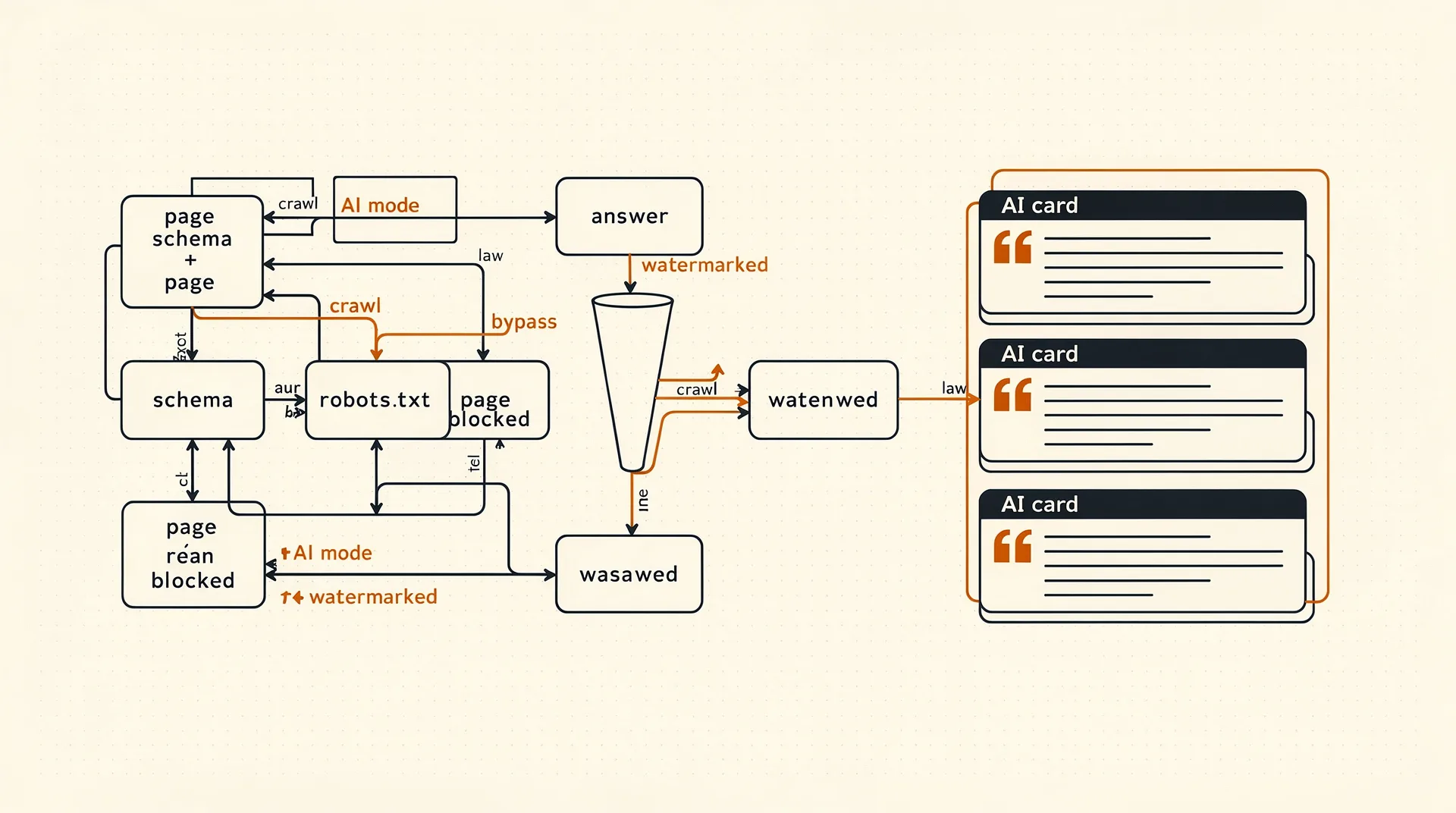
Google's page on creating helpful, reliable, people-first content now explicitly warns against fabricated creator profiles, listing AI-generated headshots, made-up names, and false credentials used to make content look human-written. This isn't new doctrine — the Search Quality Rater Guidelines already instructed raters to treat fake creator profiles and AI-generated author images as deception, as coverage earlier this year documented. What changed with Google's Oct. 1 update is that the warning now sits in guidance written directly for site owners, and it states the consequence plainly: deception makes a page untrustworthy to Google's automated quality systems.
Note the tension worth surfacing: Karpathy celebrates asking models to write in a controlled style, while Google penalizes pretending a human wrote what a model wrote. These are compatible, not contradictory. Use AI to compress and clarify — do not use it to fabricate the byline, the headshot, or the credentials. The author question is about attribution honesty, not writing mechanics.
Shopify auto-enrolls your store into every new AI shopping channel
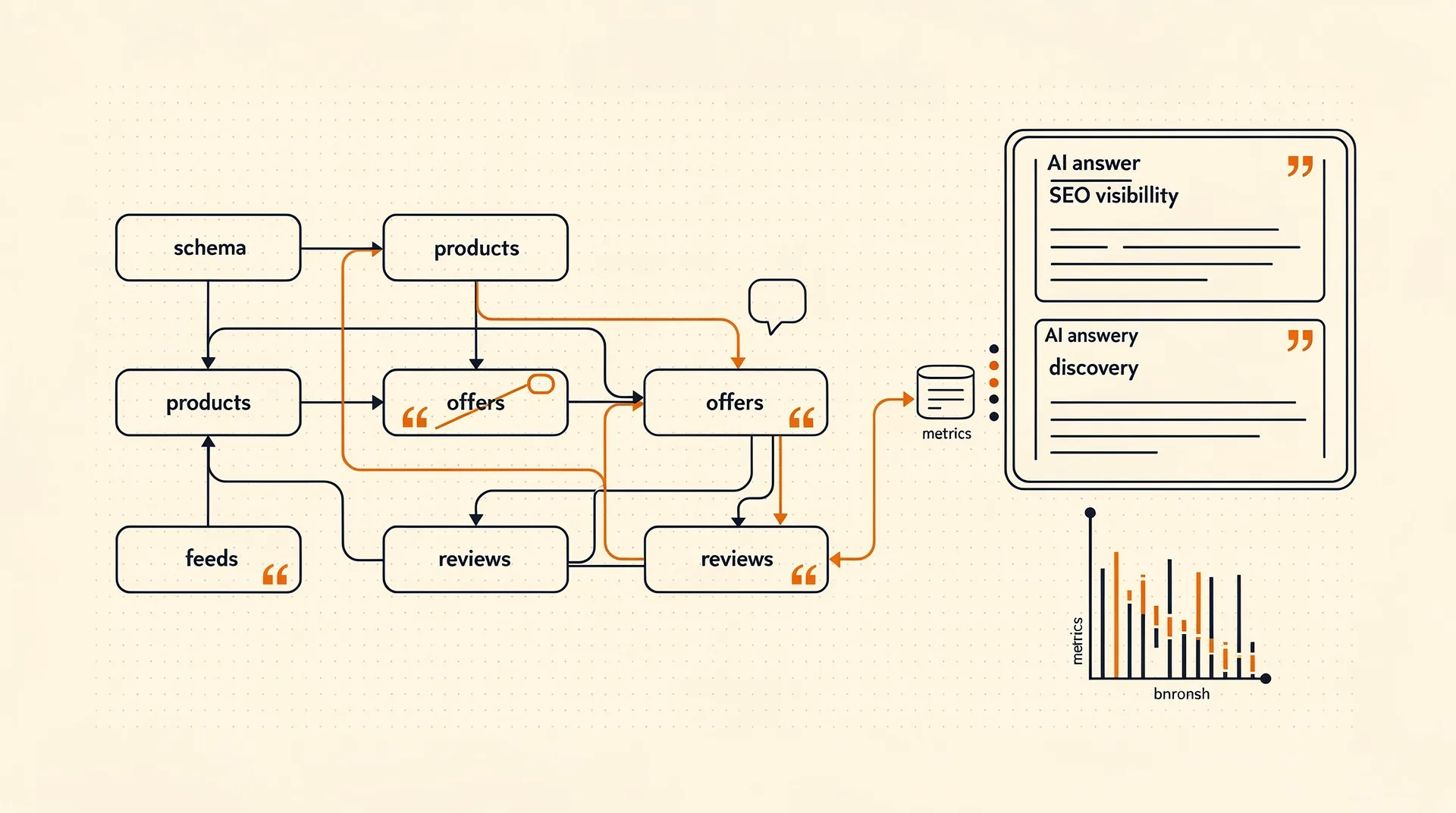
Shopify's "Agentic storefronts" setting, labeled "Allow Shopify to manage for me," stays on by default and — per Shopify's documentation — gives agentic channels access to your products through Shopify Catalog, activates direct checkout for relevant channels, and auto-enrolls eligible stores in every new agentic storefront. That is how eligible stores' products appeared in Meta's Muse on the day it launched in September 2026, an agent Meta describes as able to open a browser, fill out forms, and negotiate for users. On Meta, Google, and Microsoft Copilot, qualifying stores can even take payment inside the chat.
Two caveats matter. First, ChatGPT, Google, Copilot, and Meta charge no fees today, so there is little reason to disable enrollment. Second, the visit counter at the top of your Shopify admin's Agentic page counts humans clicking links from chat apps — it does not count agents buying on a shopper's behalf. Your analytics will understate agentic activity.
What this means for AI SEO and GEO
The through-line is that AI systems are becoming the primary reading audience for your content and the primary buying interface for your catalog. That reframes optimization: instead of persuading a human at a keyboard, you are making your content and products legible, verifiable, and transactional for machines acting on human intent. Structured clarity wins citations. Authentic expertise wins trust signals. Machine-readable commerce wins the transaction at the moment of recommendation.
The moves to make this week
- Adopt simplified-English constraints on your reference content. Audit your top definitional and comparison pages. Rewrite the densest sections at "80% of the way to ASD-STE100": short declarative sentences, one term per concept, no ornament. This costs a day and improves both human and machine readability.
- Audit every author byline against the new Google warning. If any page carries a stock headshot, invented name, or credential no one can verify, fix it now — real names, real bios, real links. Deception flags from automated quality systems are hard to walk back.
- Check your Shopify Agentic settings and attribution pipeline. Confirm you know whether "Allow Shopify to manage for me" is on, review which channels have catalog and checkout access, and set up tracking that distinguishes human chat-app visits from agent-driven activity so your reporting doesn't mislead your team.
The shift is not that AI writes, ranks, and shops. It's that the audience for your precision has changed — and the marketers who write for machines without deceiving them about humans will own the next ranking surface.