Something shifted in the last few weeks, and it wasn't another algorithm update. It was the release of evidence — legal, product, and technical — that the interface between people and information has finished migrating away from the link. If your AI SEO strategy still assumes a click is the reward for being cited, that assumption is now the single biggest risk in your plan.
The quiet part, said out loud in a court filing
News publishers suing OpenAI and Microsoft filed a combined summary judgment brief on Sept. 17 that quotes an OpenAI software engineer writing, no matter how prominently we show the links, users won't click. The message is dated February 2023. The same brief quotes Nick Turley, OpenAI's head of ChatGPT, saying there was no good reason to click on a link to the original source once ChatGPT gave an answer.
Two caveats before you quote this at a board meeting. First, it is one side's argument in an unresolved case. Second, the quotes describe a product from 2023, and chat interfaces have changed since. Neither caveat rescues the underlying point: the people building the answer layer have never modelled their success on sending you traffic.
The CTR numbers are worse than they look — and narrower than they look
The brief also leans on Microsoft data comparing click-through rates for publisher sites in Bing Chat versus Bing Web Search. For The Times's properties, CTR was 87% to 93% lower in Bing Chat, with 83% to 91% declines for the Daily News plaintiffs and 51% to 94% for Ziff Davis.
Read the definition carefully, because it matters more than the headline. The filing defines CTR as clicks relative to impressions — appearances of a URL in a results page or a chatbot response. It is not traffic, and it is not visits. A 90% CTR collapse in an interface where the surface area for a link is a footnote is real, but it is also partly an artifact of how impressions are counted in chat.
Here is the contradiction worth holding in your head: publishers argue these reductions clearly show substitution — the chatbot replacing the search visit. That is a plausible reading of the data. It is not the only one. Lower CTR can mean substitution or it can mean a different user with a different intent arriving at a different moment. The court hasn't ruled, and neither should your attribution model.
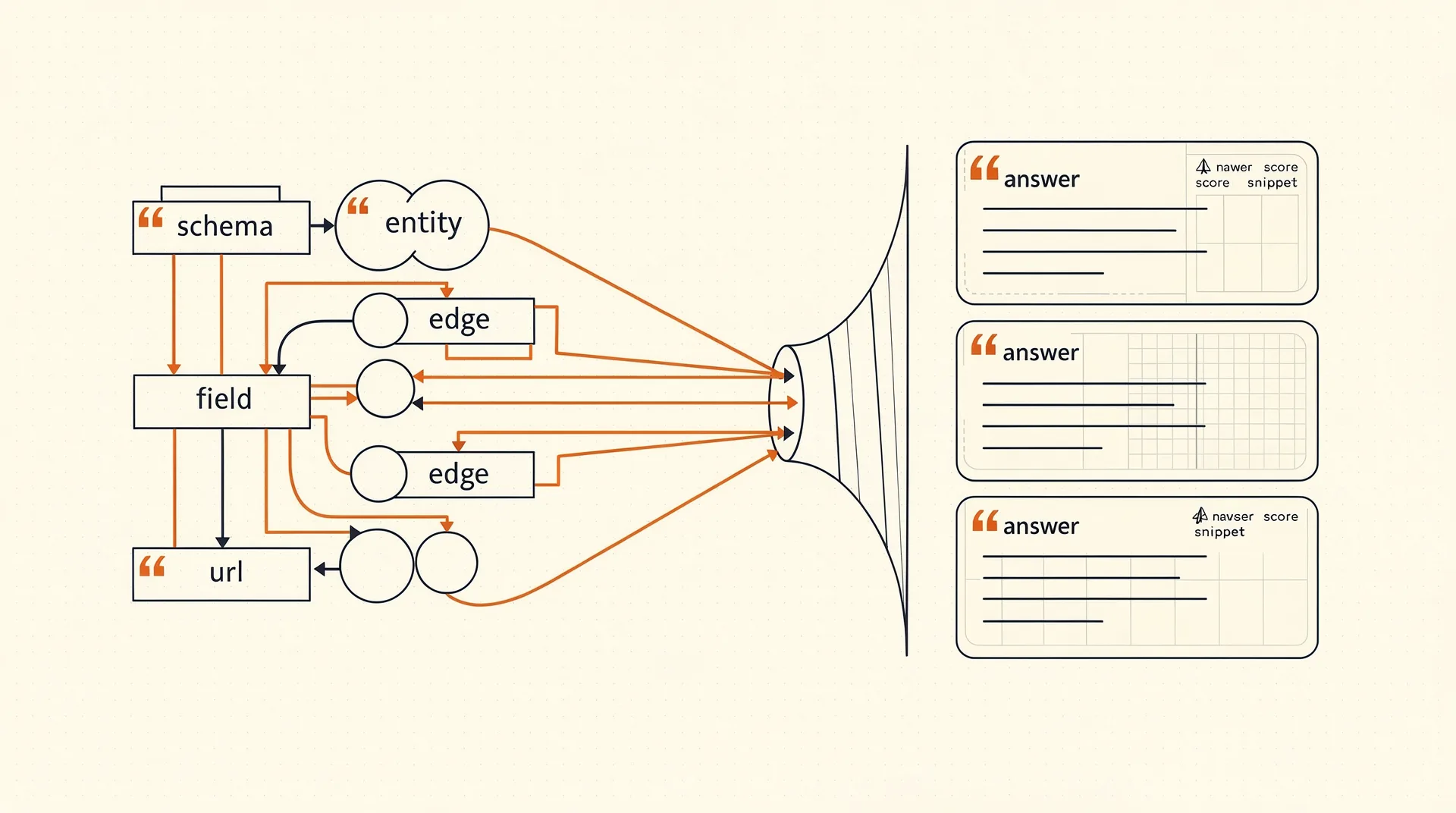
What both readings agree on: the impression is now the primary unit of visibility in AI surfaces, and the click is a bonus, not a baseline.
Google is turning the answer box into a subscription to the topic
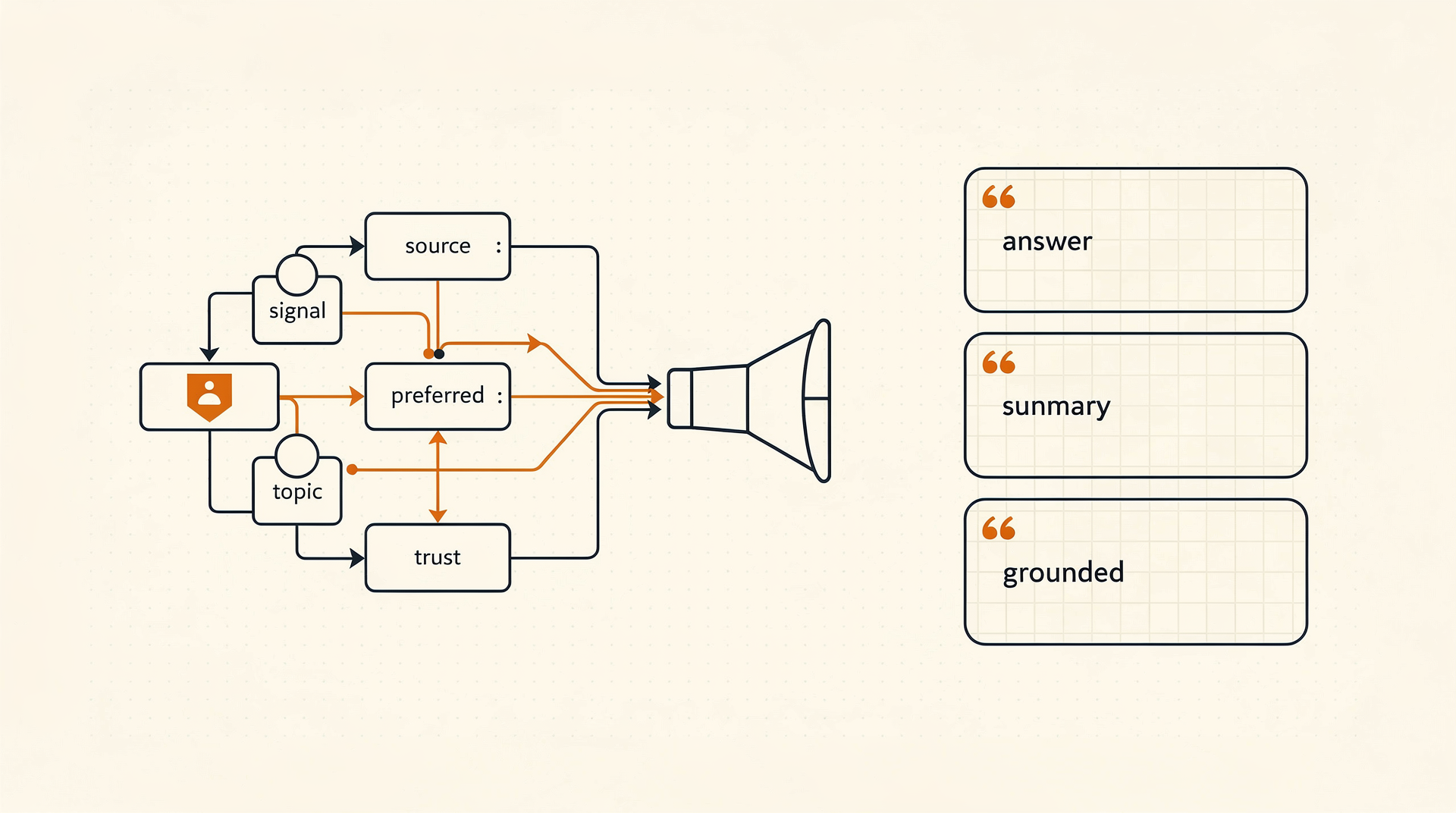
On the same week, Google began rolling out information monitoring in AI Mode to all users globally, after paid subscribers had early access. Users tell AI Mode what to watch and Search keeps checking for updates. Robby Stein, VP of Product for Google Search, announced it publicly, and Google says Search will also suggest monitoring tasks during searches.
Note that every example Stein gave was local or shopping — vintage markets, pop-ups, price drops. That tells you where the retention value is being tested first.
For marketers, monitoring changes the shape of the funnel. A monitored query is a standing query. It isn't a moment of research; it's a persistent slot in someone's attention that you either occupy or don't. You cannot win a standing query with a single well-optimised page. You win it by being the source that keeps having something true and new to say about the entity being watched.
Meanwhile, the model layer tells you where to spend effort
Anthropic's prompting guidance for Claude Opus 5.5 is a useful parallel, because it describes the same discipline AI SEO now demands: stop tuning the visible layer, start tuning the effort layer. The guide advises developers to test multiple effort levels instead of reusing the setting used in Claude Opus 5, and suggests chat applications remove system-prompt lines instructing Claude to think carefully. In Anthropic's own testing, removing a think-carefully line made replies start sooner, with no clear decline in quality. Opus 5.5 also defaults to medium effort, one level below Opus 5's high default, and thinking can't be turned off at all.
The analogy is not perfect, but it is instructive. When the system handles the deliberation for you, the leverage moves to structural decisions — how much resource you allocate, what you let the system decide, and which layer is actually controlling the output. Adding more words to your prompt is the marketing equivalent of adding more keywords to a page nobody reads.
The move to make this week
Pick your three highest-value monitored-topic candidates — the questions buyers ask repeatedly, not once — and audit what happens when an AI system looks for freshness on them.
Then do three things:
- Establish entity consistency. Same name, same claims, same numbers, across site, docs, profiles, and third-party coverage. Standing queries compare sources; inconsistency reads as low confidence.
- Ship a genuine update cadence. If monitoring is checking for changes, a page frozen since 2023 loses the slot by default.
- Instrument impressions, not just sessions. You cannot manage a channel that reports zero clicks. Query your AI referrers, brand mentions in AI answers, and share of answer against a named competitor set — even crudely at first.
The uncomfortable truth in that court filing isn't that users won't click. It's that the answer layer was designed on that assumption from the beginning. Plan for it now, while the evidence is still arriving, rather than after your traffic chart confirms it.