The predictable mechanics of search optimization are breaking down. For two decades, the process followed an orderly cycle: a search engine crawler indexed your domain, algorithmic systems ranked your URLs against user queries, and rank trackers scraped the resulting search engine results pages (SERPs) to verify your position.
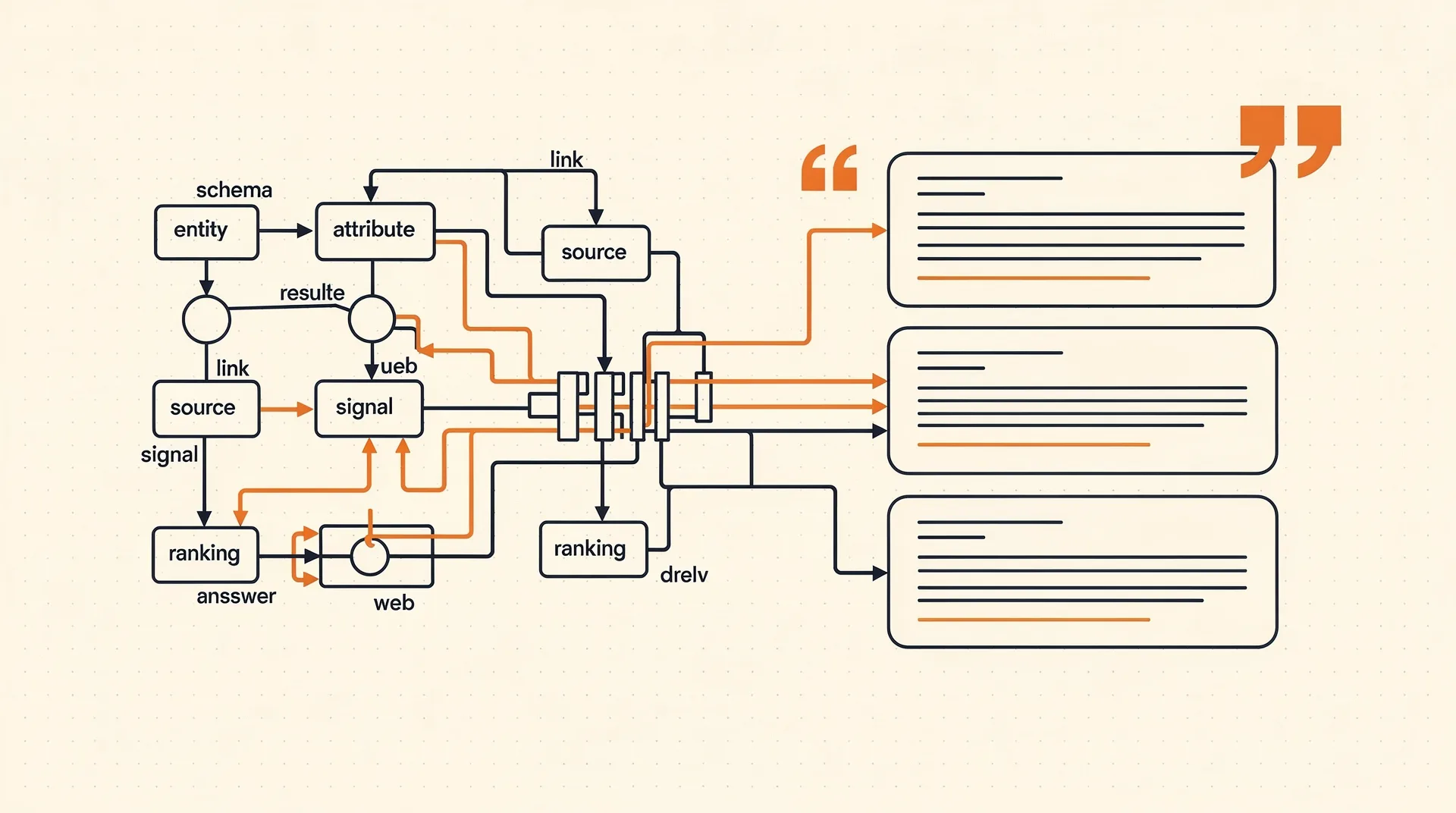
That linear pipeline is dissolving into an opaque network of commercial data brokers, masked redirect URLs, and native generative interfaces. Three recent shifts across Google and alternative search engines demonstrate that the infrastructure connecting your site to users is no longer straightforward—and your standard measurement stack is beginning to fail.
The Invisible Intermediary Layer
Most technical SEOs maintain strict `robots.txt` directives targeting frontier model web scrapers like `GPTBot`, `ClaudeBot`, or `PerplexityBot`. However, blocking individual foundation model crawlers no longer guarantees your content stays out of generative retrieval loops.
A high-profile copyright lawsuit brought by The New York Times against Brave reveals the scale of the secondary search index market. Brave maintains a web index containing more than 30 billion pages, which it commercializes via the Brave Search API. This API serves as an external retrieval engine for frontier artificial intelligence developers, including Perplexity, Mistral, Cohere, and xAI.
When a user submits a retrieval-augmented generation (RAG) query to an AI engine, that engine does not necessarily dispatch its own crawler to inspect the live web. Instead, it queries an intermediate index provider like Brave. Because website operators rarely inspect Brave’s crawler directives with the same scrutiny given to Googlebot, their content is indexed, repackaged, and served through third-party generative answers without direct attribution or crawler transparency. If your optimization and governance strategies focus exclusively on primary crawlers, you are missing the distribution layer that actually feeds modern answer engines.
Why SERP Telemetry Is Corrupting
At the same time that alternative indexes are quietly powering generative models, traditional Google SERP measurement is suffering from systemic data degradation.
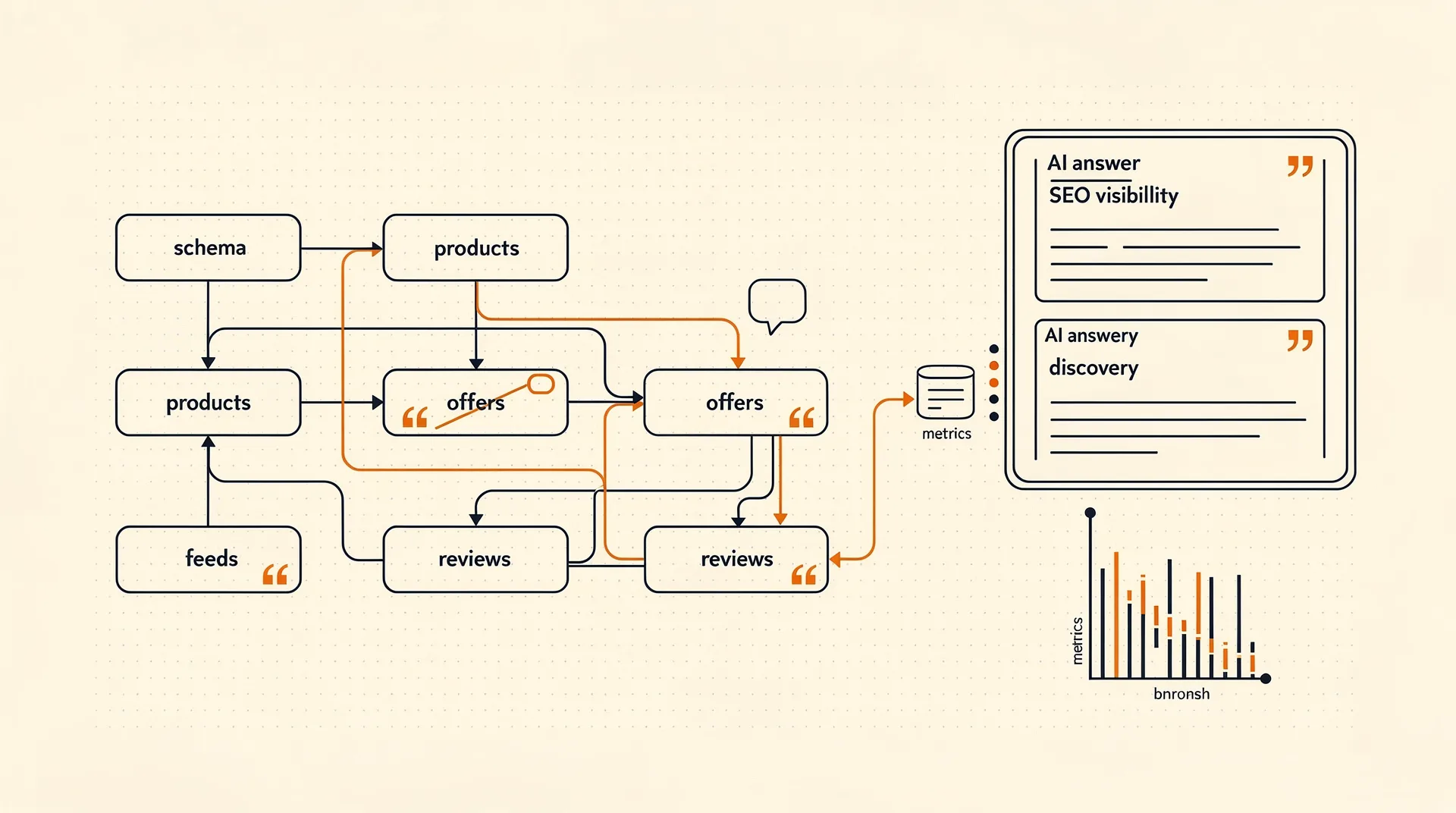
Third-party rank tracking platforms are experiencing significant friction due to Google redirect URLs and unrelated query noise throwing off rank reports. An investigation by SE Ranking across 10,000 desktop queries revealed that 84% of flagged SERP anomalies contained completely unrelated listings triggered by a single word in the query, with 96.5% of those anomalies populating positions 9 and lower. Simultaneously, rank tracker Nozzle observed SERP volatility spikes affecting up to 7.6% of tracked queries within a single week.
Compounding the problem, Google has clamped down on programmatic SERP scraping by replacing standard canonical target URLs with encoded `goto` redirect links. Major API providers like DataForSEO, Serper, and SerpApi have acknowledged that Google's rate-limiting restrictions prevent them from resolving all intermediate URLs in real time. Consequently, many tracking platforms are forced to resolve only a fraction of target URLs, misattributing ranking drops or failing to identify which specific asset holds a position.
Teams relying on automated alerts for position drops beyond page one are increasingly acting on telemetry noise rather than actual algorithmic penalties or competitive displacement.
Operations Collapse into Generative Front-Ends
While data brokers supply answer engines and Google disrupts rank collection, Google is accelerating the integration of its generative intelligence directly into operational business tools.
Google announced that Gemini Business Profile tools are rolling out to Workspace accounts, allowing organizations to link verified business listings to corporate credentials rather than personal Gmail addresses. While Google's public documentation has shown conflicting timelines regarding whether corporate accounts are fully enabled, administrative consoles are actively preparing for native Gemini asset management.
Simultaneously, Google is altering front-end conversion paths on local interfaces. Business Profiles with active chat configurations now prominently place a "Message" call-to-action directly beside the primary "Call" button across mobile Google Maps listings, integrating with platforms like WhatsApp.
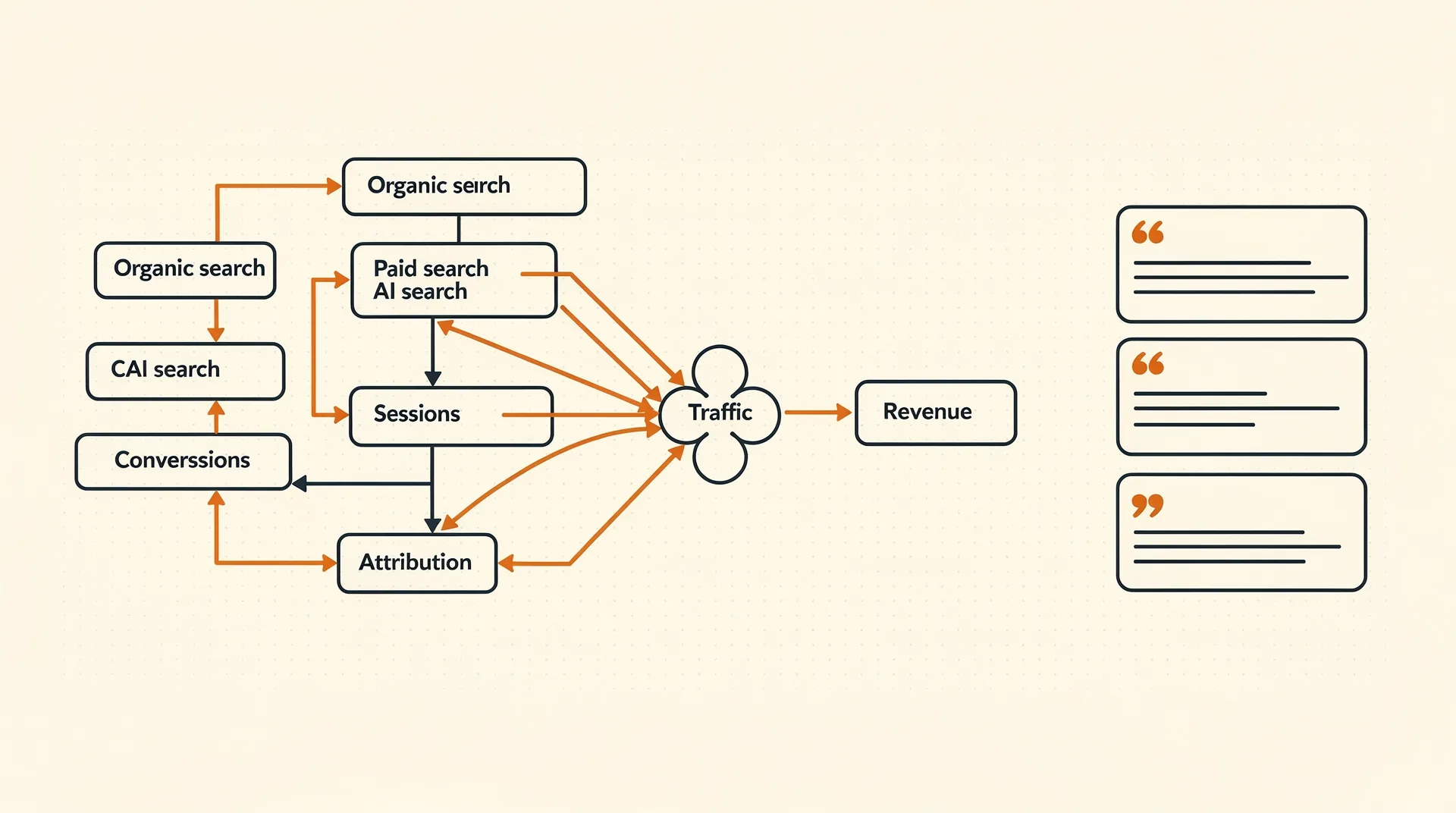
For brand marketers, this creates an operational vulnerability. Generative search surfaces are driving users toward zero-click resolutions or direct conversational handoffs. If your organization activates these generative and messaging integrations without dedicated personnel monitoring the incoming inbox, high-intent prospects driven by AI interfaces encounter a dead communication channel at the final point of conversion.
The Practical Playbook for This Week
Navigating this fragmented landscape requires modernizing both your measurement criteria and technical site governance.
1. Audit Intermediate Crawlers in Your Log Files
Review your server logs for requests from Brave’s crawler (`Bravebot`) and other secondary indexers. If your team has selectively blocked primary generative crawlers while leaving wholesale commercial search APIs unmonitored, your content governance policy has a major gap. Decide at an organizational level whether inclusion in third-party API indexes aligns with your brand's AI search visibility goals.
2. Discount Deep SERP Volatility in Reporting
Instruct your analytics team to filter out position noise below rank eight in automated reporting. Because Google’s single-word semantic matches and unresolved `goto` redirect links heavily cluster between positions 9 and 20, aggregate ranking drops in this bracket frequently indicate data collection failure rather than real organic loss. Pivot executive reporting toward share of voice, AI Overview citations, and verified organic landing page sessions.
3. Verify Local Messaging Endpoints and Workspace Permissions
Check your Google Workspace Admin console to verify whether Gemini application access has been granted to profile managers. Concurrently, inspect your organization's Google Maps listings from mobile devices. If a "Message" or WhatsApp button is displaying alongside your call assets, confirm that the inbound routing path connects directly to an active, monitored customer support workflow.